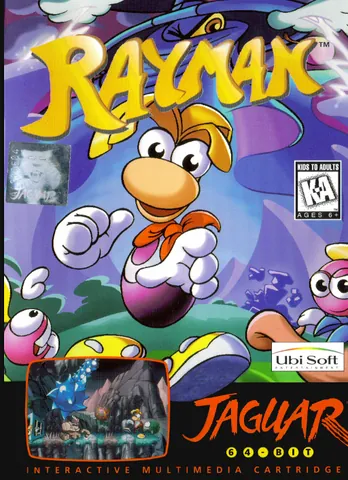
Rayman
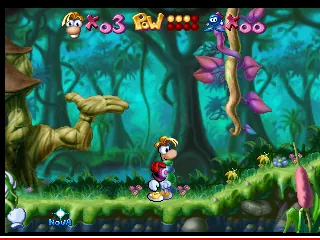
A colorful world full of pastel meadows, musical jungles and bizarre enemies, into which a hero without arms or legs steps, with only floating limbs. Rayman is a visually enchanting platformer that brought a piece of real joy to the Atari Jaguar and became one of the few titles that did the console credit even beyond the circle of 3D action fans.
Rayman is a classic 2D platformer, but with an exceptionally high bar in both difficulty and execution. The hero collects energy, frees imprisoned creatures called Electoons and gradually gains new abilities, such as a punch or gliding by means of his hair. The levels are inventively built, combining precise jumping with searching for secret spots, and gradually open up into a surprisingly extensive adventure.
Behind the game stands the French studio Ubisoft and the creator Michel Ancel, for whom Rayman became a springboard to a long and glorious career. The game was released in 1995 and, besides the Jaguar, also appeared on other platforms of the era, including the PlayStation and computers. It was precisely its hand-painted, richly animated graphics that made it one of the prettiest 2D games of its generation.
Rayman received a very positive reception and laid the foundation of one of Ubisoft's most successful franchises, which continues to this day through a whole series of sequels up to modern installments like Rayman Origins and Rayman Legends. A title born on the border of the 2D and 3D era thus became a long-lived gaming legend. On the Jaguar it was one of those rare pieces that had nothing to do with the console's failure.
The game must also be mentioned for its notorious difficulty. Rayman is beautiful to look at but merciless to play, demanding precision, patience and steady nerves. It is precisely this combination of charm and challenge that makes it an experience that rewards persistent players and where finishing carries real weight.
Why play: For a hand-painted, magical platformer world and for the beginning of one of Ubisoft's most beloved franchises. A demanding but gorgeous classic.
Game 3 of 14 for Atari Jaguar
The same title elsewhere (4)
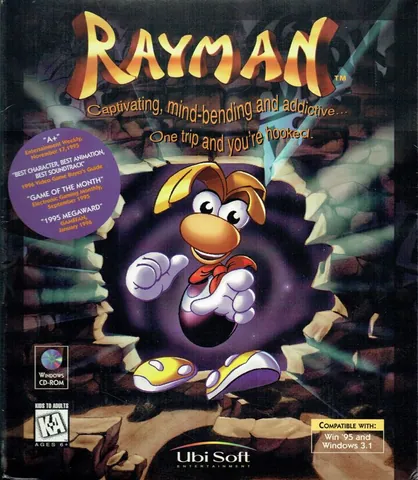
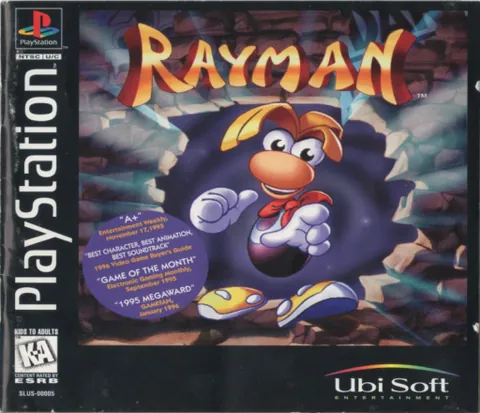
The Jaguar and PlayStation versions, both from 1995, share the same set of pre-rendered artwork and look remarkably alike — a rare case of a cartridge-based console keeping pace with Sony. The PlayStation benefited from its CD medium, delivering richer, fully recorded music, while the cartridge-bound Jaguar had to economize on sound data, so its score feels a touch sparser. Colour depth and scrolling smoothness are otherwise comparable on both machines. The Game Boy Color version from 2000 is a different game entirely: the tiny screen and cartridge memory forced smaller levels, simpler backgrounds and a narrower palette, yet the developers kept the smooth movement and charm of the original intact, making it a surprisingly accomplished handheld reduction rather than a rushed port.
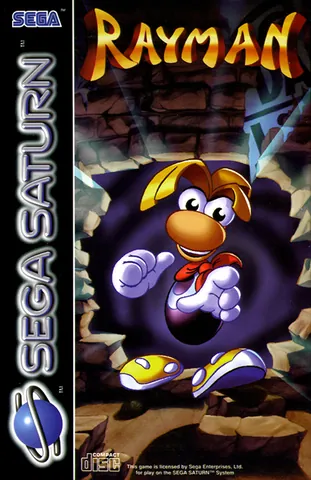
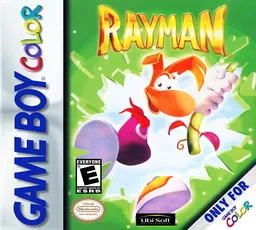
From the same series Rayman →
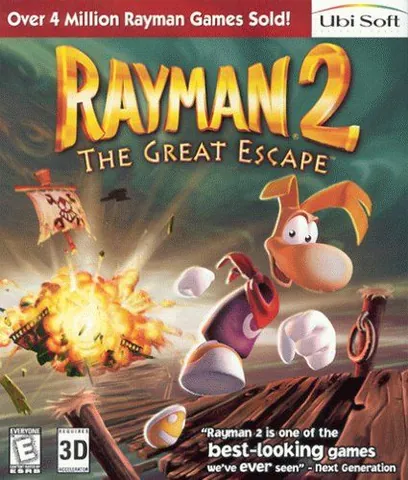 Rayman 2: The Great Escape Win9x · PS1
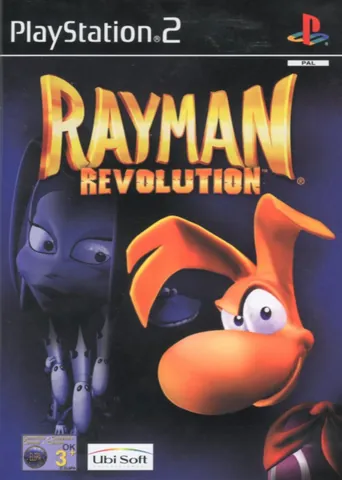 Rayman Revolution PS2 · 2000
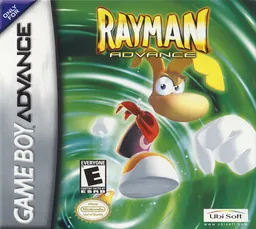 Rayman Advance GBA · 2001
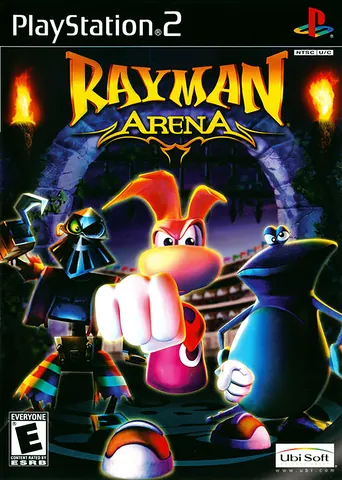 Rayman Arena PS2 · 2002
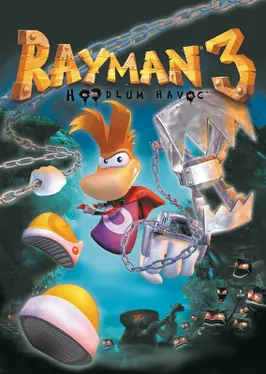
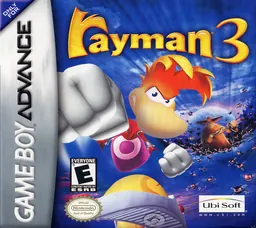 Rayman 3: Hoodlum Havoc GBA · PS2 · GCN · Xbox · 2003
 Rayman 3 (mobile) Java ME · 2004
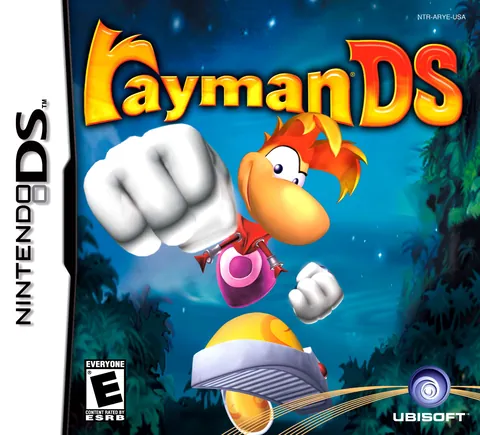 Rayman DS DS · 2005
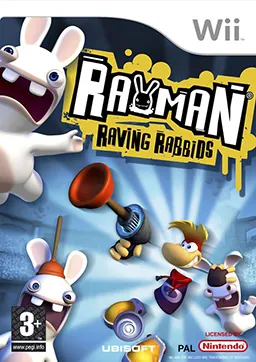 Rayman Raving Rabbids DS · PS2 · Wii · PC · 2006
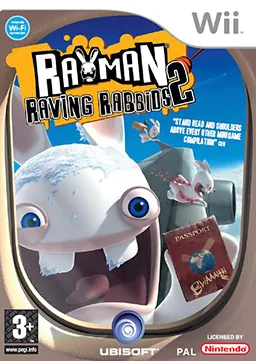 Rayman Raving Rabbids 2 Wii · 2007
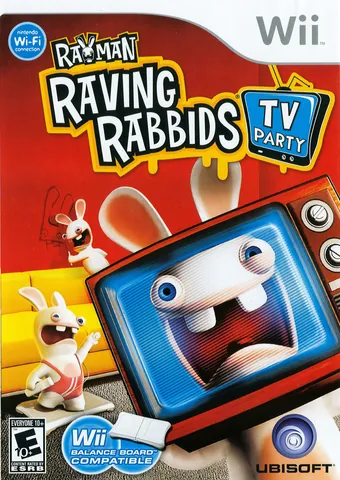 Rayman Raving Rabbids: TV Party Wii · 2008
 Rayman 3D 3DS · 2011
 Rayman Origins Wii · X360 · PS3 · 3DS · Vita · 2011