Franchises
Splinter Cell
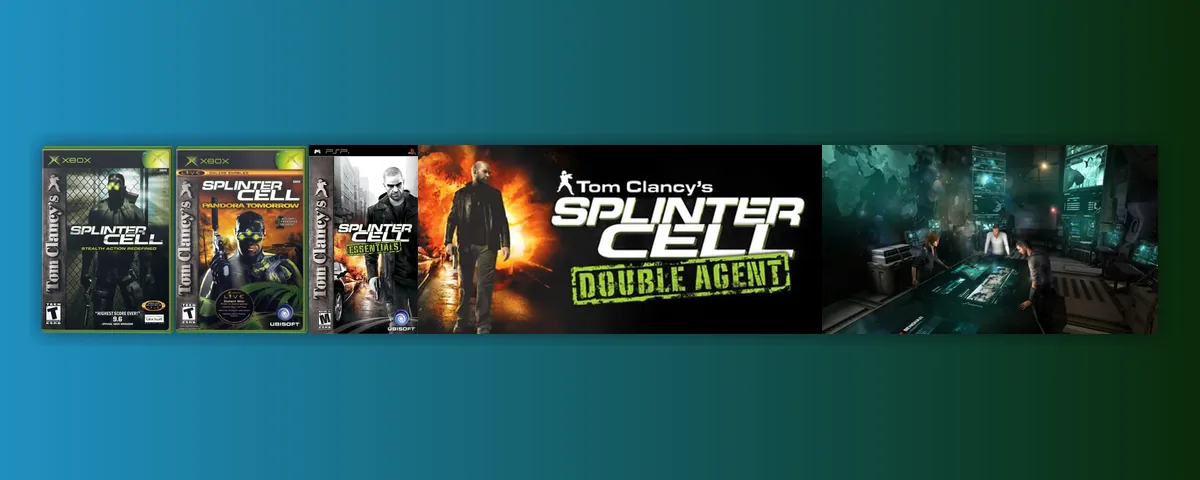
Tom Clancy's Splinter Cell arrived in 2002 as Ubisoft's answer to the reign of Metal Gear Solid, and the opening mission made the difference plain: Sam Fisher's main weapon is not a rifle but darkness. Light and shadow calculated in real time became an actual mechanic, a visibility meter told the player exactly how well he blended into a room, and the trifocal goggles with night and thermal vision turned into an instant icon. As an operative of Third Echelon, Fisher edged along ledges, split-jumped up narrow corridors and preferred to slip past guards rather than kill them, because an alarm usually meant a reload rather than a firefight.
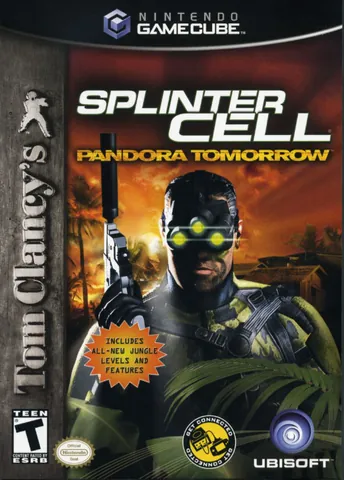
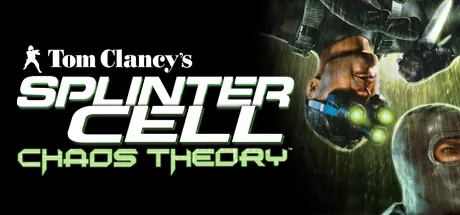
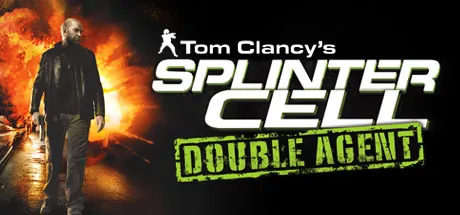
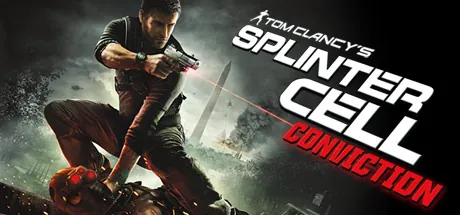
The original Xbox version is still remembered as a technical landmark of its generation, but the peak of the series is almost uncontested: Chaos Theory in 2005 refined the knife work, opened up mission design and added both co-op and the superb Spies vs Mercs mode. Pandora Tomorrow expanded the multiplayer, Double Agent placed Fisher between two masters, and Conviction in 2010 pulled the series toward action, where marking targets and executing them in a burst turned the shadow operative into a hunter. That shift split the audience, but the influence of the early games held. Splinter Cell taught stealth games to treat light itself as a system, and its sound design and patient pacing left marks on a long line of successors.
Entries in the series (9)
-
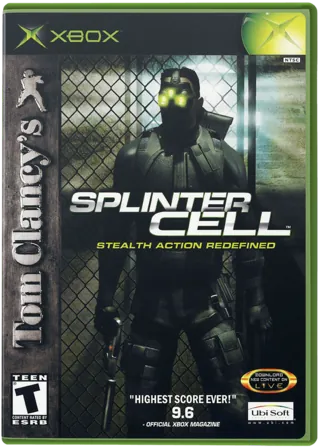
Tom Clancy's Splinter Cell · 2002
- Java ME
Splinter Cell (mobile) · 2003
-
-
-
-
-
-
-