Franchises
Mega Man
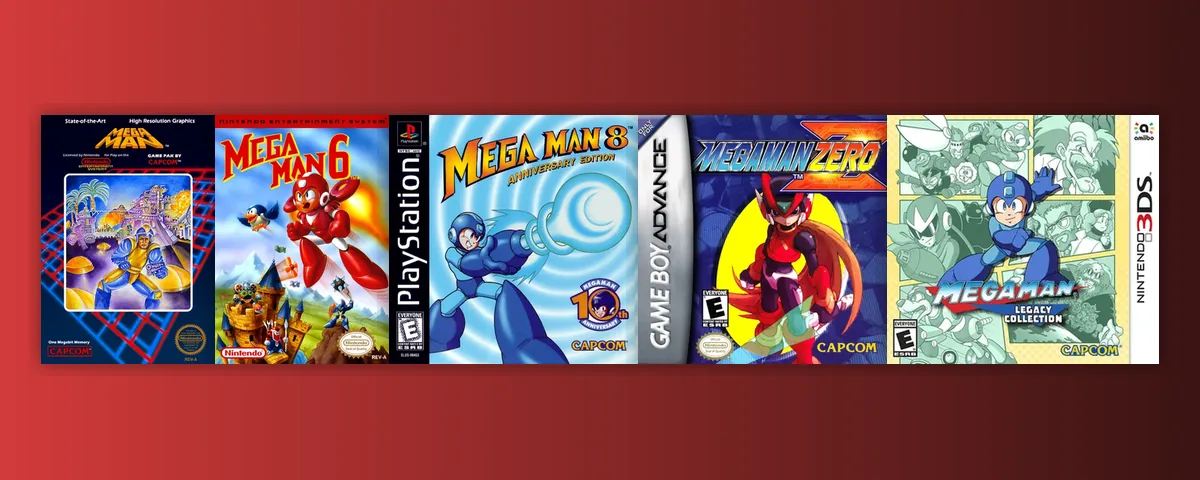
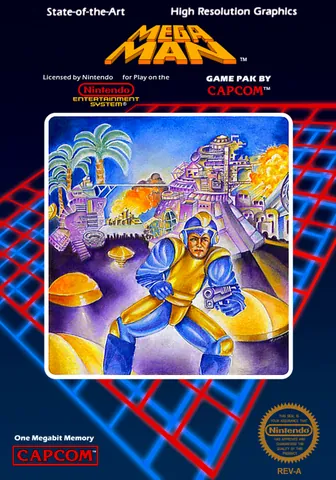
Mega Man debuted in December 1987 on the NES under Capcom's banner, built around a simple but remarkably clever idea: the blue robot Rock, renamed Mega Man for the West, fights his way through a set of factory levels each ruled by a Robot Master, and defeating one grants his weapon, which often happens to be the next boss's weakness. Players chose their own level order and built their own strategy, an unusual and refreshing twist at a time when platformers were almost always linear. The series was designed by Akira Kitamura and Keiji Inafune, and the first game already set the tone: tight controls, short but mercilessly tough stages, and a bold animated look with the mad scientist Dr. Wily as the recurring villain.
The classic line moved fast. Mega Man 2 (1988) is still widely regarded by fans and critics as the series' high point, thanks to its well-balanced bosses, iconic soundtrack, and additions like the Metal Blade weapon. Entries 3 through 6 kept the same formula while adding new fixtures such as the robot dog Rush, Mega Man's brother Proto Man, and the rival Bass, while Mega Man 7 (SNES, 1995) and Mega Man 8 (PlayStation, Saturn, 1996) moved the series into 16-bit and then 32-bit graphics with longer animated cutscenes. After years of near silence, Capcom brought the series back to deliberately retro pixel art with Mega Man 9 (2008) and Mega Man 10 (2010), released digitally as a conscious tribute to the 8-bit era, before Mega Man 11 arrived in 2018 with modern 2.5D visuals but the same core gameplay.
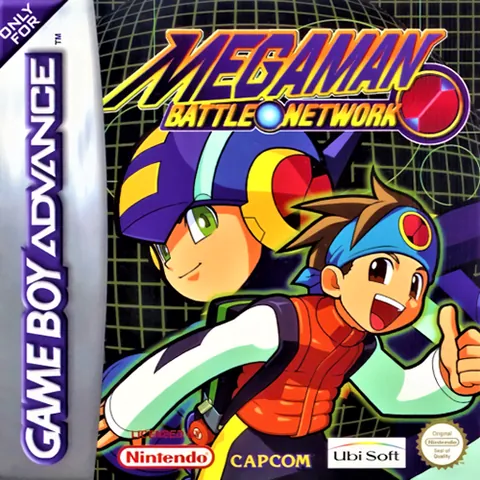
A rich family of spin-offs grew up around the main line, each with its own identity. Mega Man X (SNES, 1993) pushed the story generations forward, added a dash and wall-climbing along with an upgradeable armor system, and is considered the peak of that branch; the sequels X2 through X8 introduced the boss Sigma and carried the series through the PlayStation 2. Mega Man Legends offered a 3D action-adventure with larger worlds, full voice acting, and Roll as a mechanic heroine, though its story was left unresolved after Capcom cancelled the planned third entry, sparking real anger among fans. Mega Man Battle Network on Game Boy Advance turned the concept into a turn-based, card-driven network battle tied to the Rockman.EXE anime, which also spawned the Star Force spin-off, while Mega Man Zero and its follow-up ZX on Game Boy Advance delivered faster, harder action starring Zero in a darker, virus-ridden world. The brand's breadth also shows in smaller offshoots, from the arcade brawlers Mega Man: The Power Battle and Power Fighters to the portable remakes Mega Man Powered Up and Maverick Hunter X on PSP.
Around 2010 the series hit a real lull: the cancellation of Mega Man Legends 3 and the subsequent departure of co-creator Keiji Inafune from Capcom led to a years-long gap with no new mainline entry, and the brand survived mostly on crossovers. Popularity was kept alive in part by Mega Man's guest appearance in Super Smash Bros. (2014), which introduced the character to a new generation, before Capcom announced and quickly released Mega Man 11 in 2018 as a full-fledged return of the main series.
Mega Man left a lasting mark on the action-platformer genre: the idea of choosing boss order and absorbing their powers became a template for countless later games, and the series is still cited as an example of difficulty that is punishing but always fair, which kept a loyal following across dozens of games and several console generations.
Entries in the series (40)
-
-
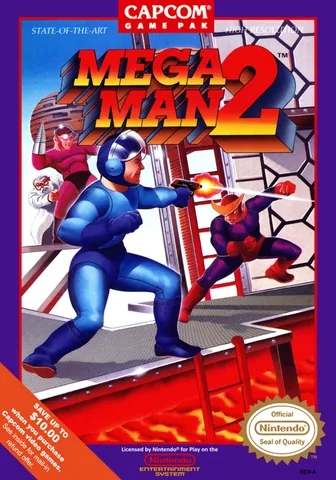
Mega Man 2 · 1988
-
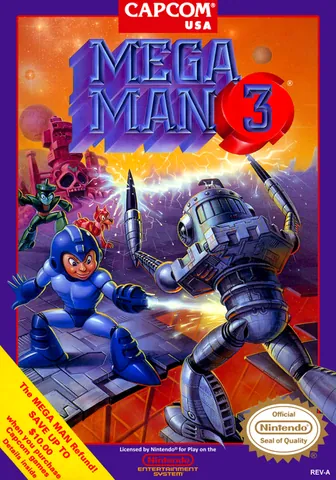
Mega Man 3 · 1990
-
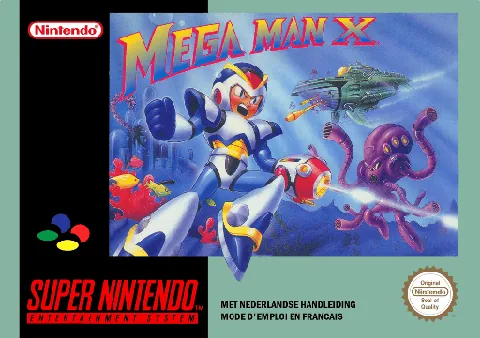
Mega Man X2 / X3 · 1990
-
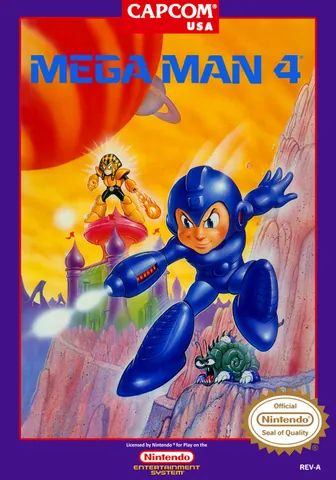
Mega Man 4 · 1991
-
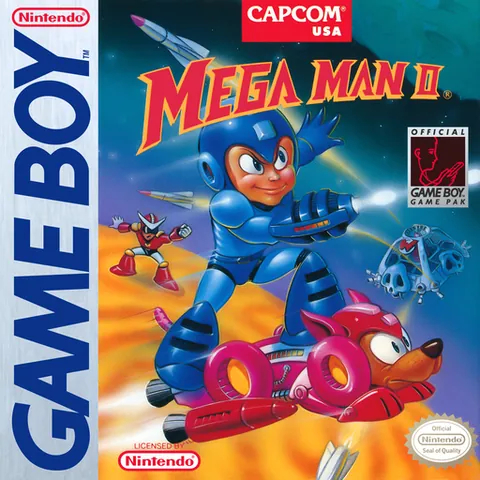
Mega Man II · 1991
-
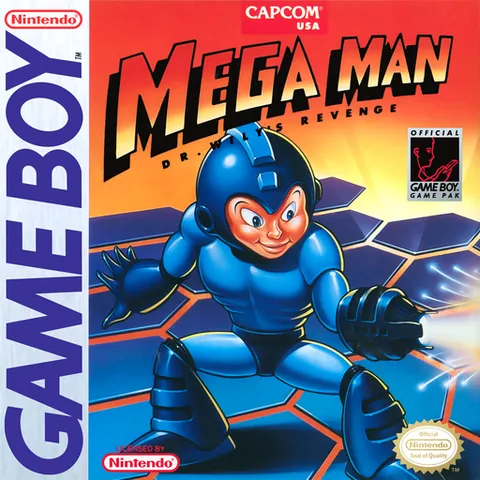
Mega Man: Dr. Wily's Revenge · 1991
-
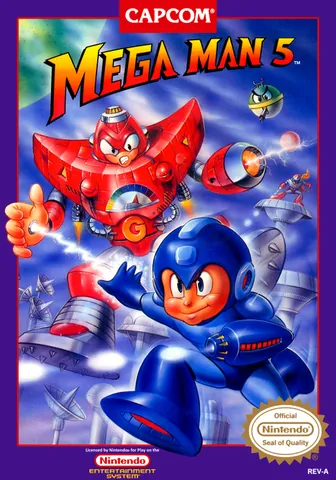
Mega Man 5 · 1992
-
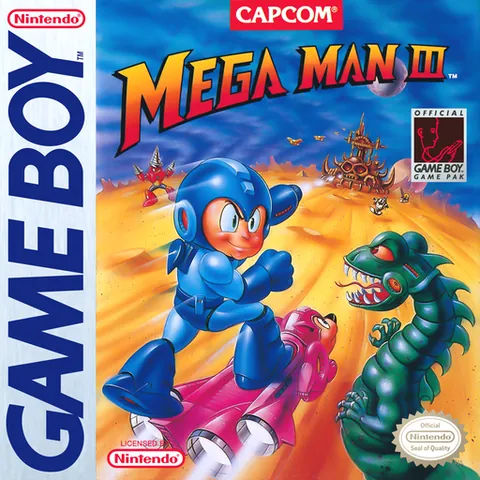
Mega Man III · 1992
-
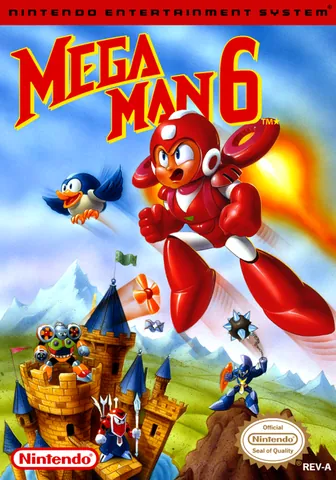
Mega Man 6 · 1993
-
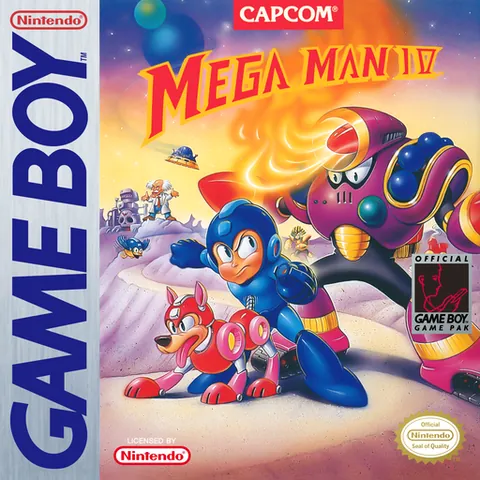
Mega Man IV · 1993
-
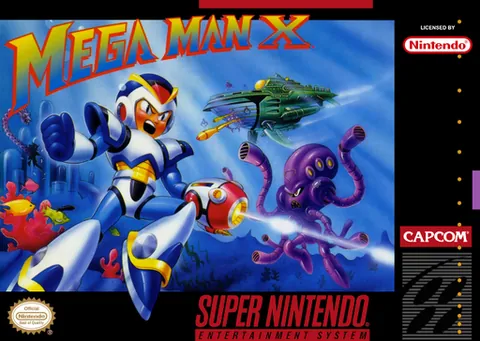
Mega Man X · 1993
-
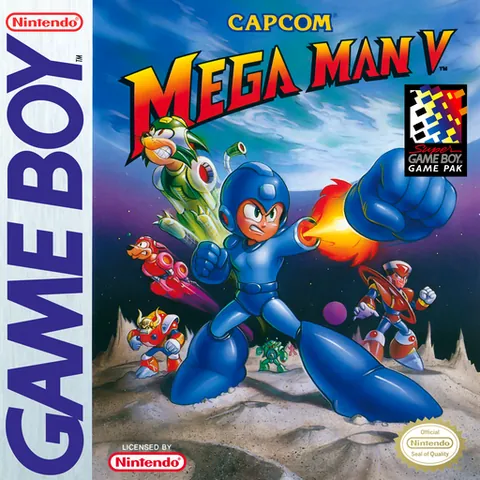
Mega Man V · 1994
-
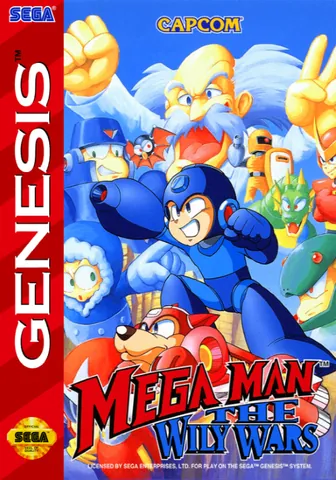
Mega Man: The Wily Wars · 1994
-
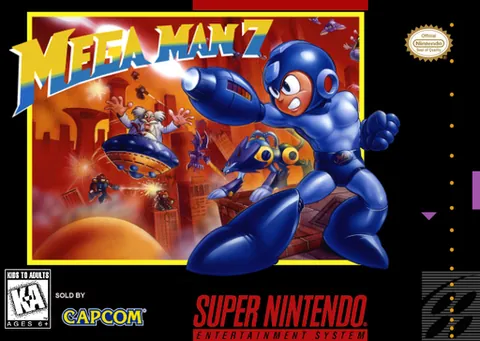
Mega Man 7 · 1995
-
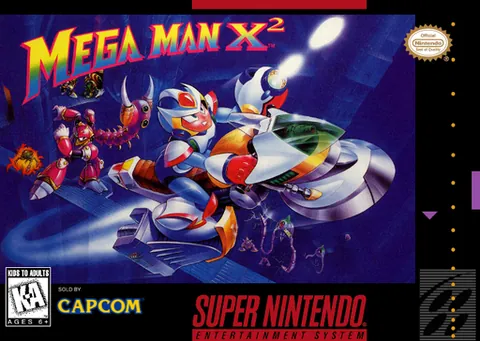
Mega Man X2 · 1995
-
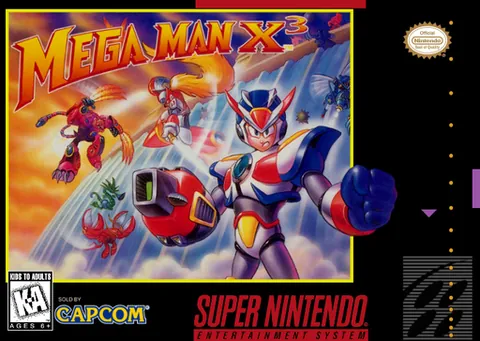
Mega Man X3 · 1995
-
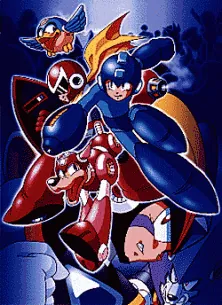
Mega Man: The Power Battle · 1995
-
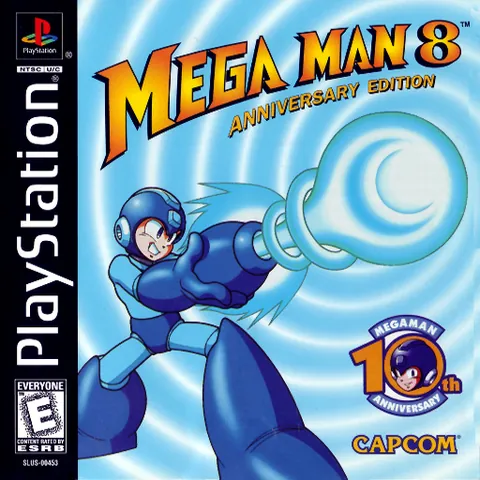
Mega Man 8 · 1997
-
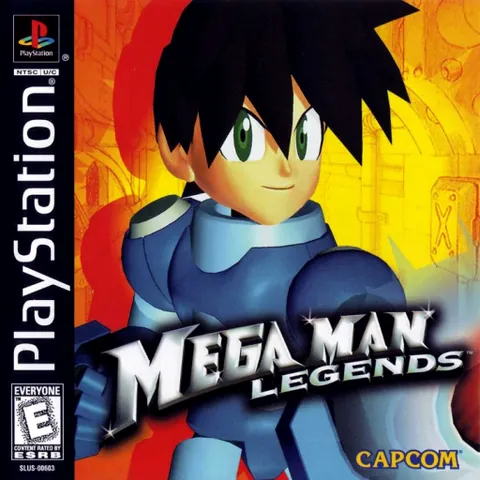
Mega Man Legends · 1997
-
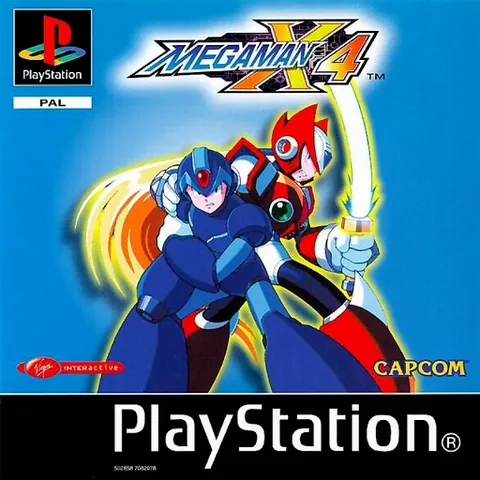
Mega Man X4 / X5 · 1997
-
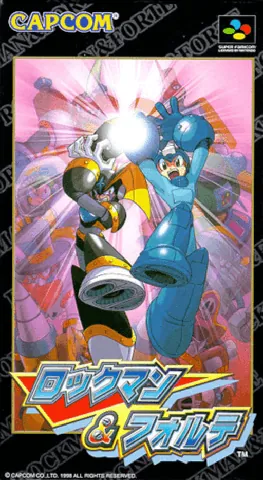
Rockman & Forte · 1998
-
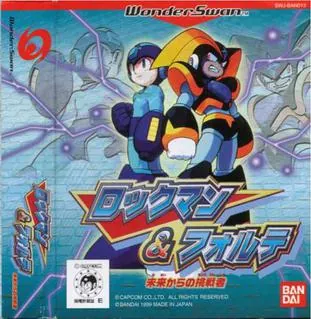
-
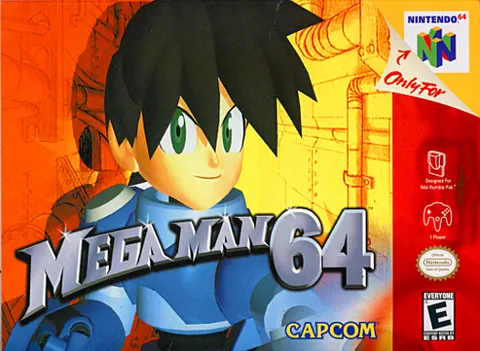
Mega Man 64 · 2000
-
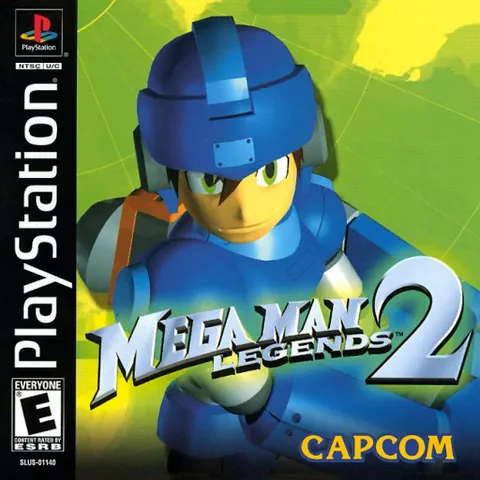
Mega Man Legends 2 · 2000
-
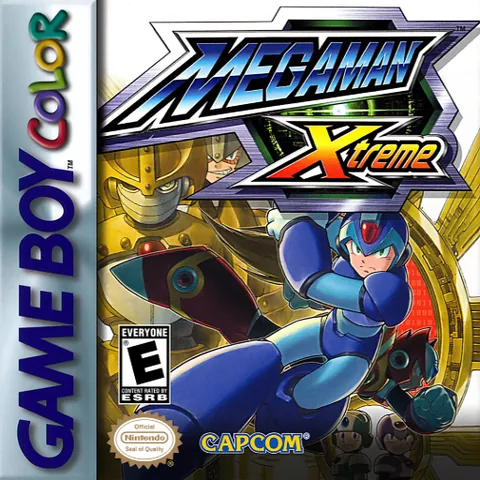
Mega Man Xtreme · 2000
-
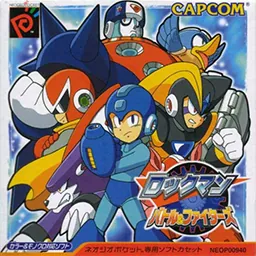
Rockman Battle & Fighters · 2000
-
-
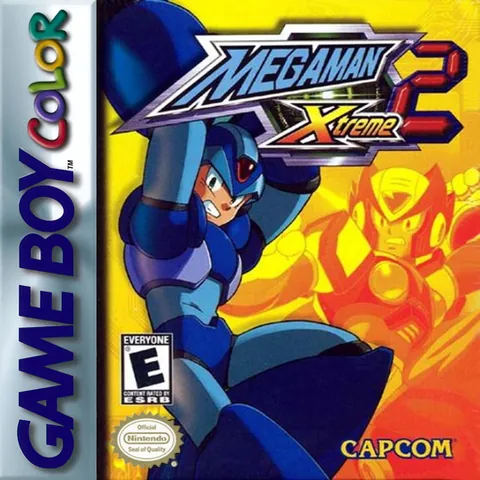
Mega Man Xtreme 2 · 2001
-
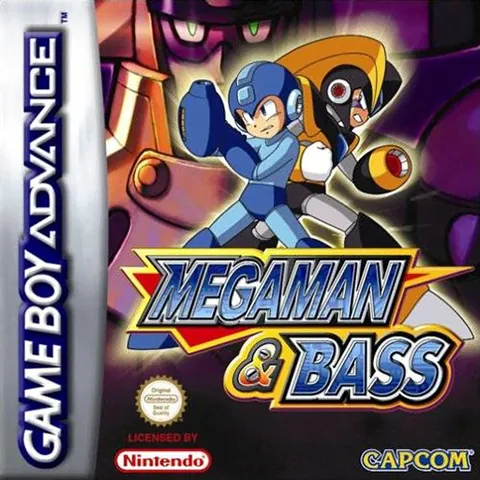
Mega Man & Bass · 2002
-
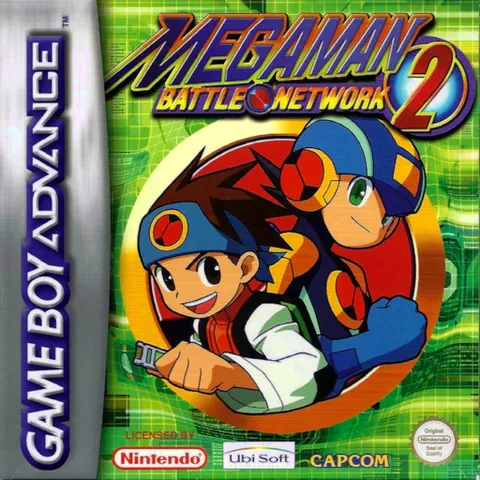
Mega Man Battle Network 3 · 2002
-
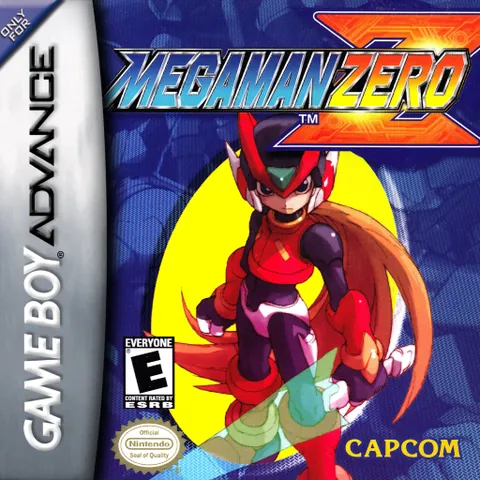
Mega Man Zero (1–4) · 2002
-
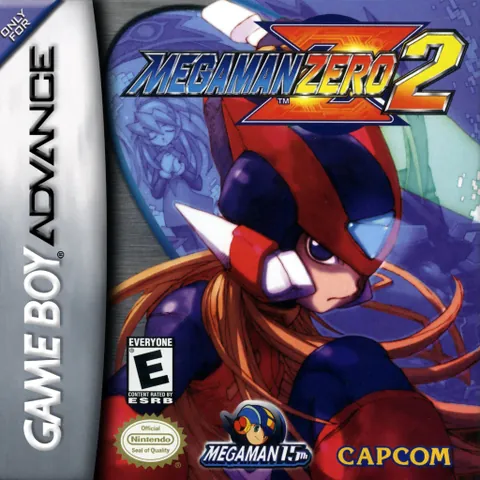
Mega Man Zero 2 · 2003
-
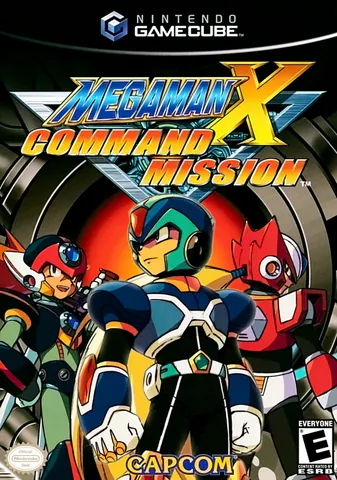
Mega Man X: Command Mission · 2004
-
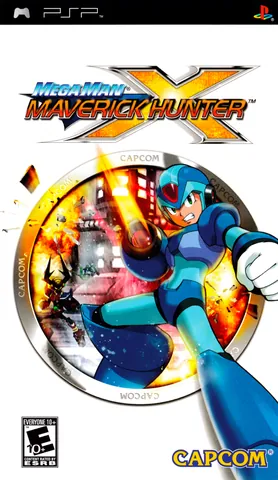
Mega Man Maverick Hunter X · 2005
-
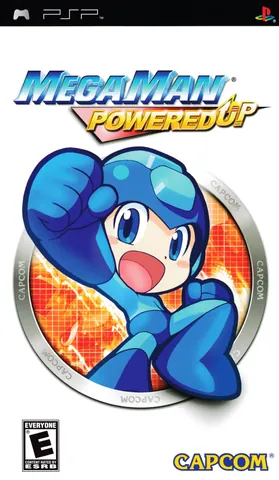
Mega Man Powered Up · 2006
-
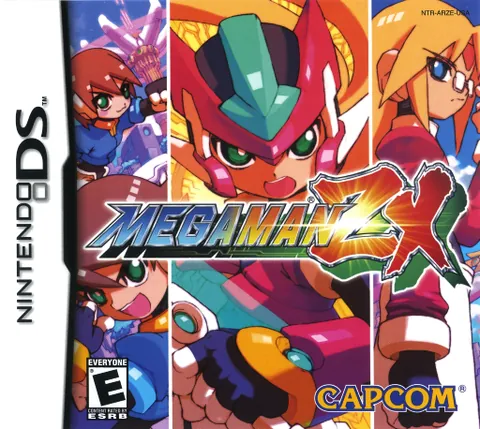
Mega Man ZX · 2006
-
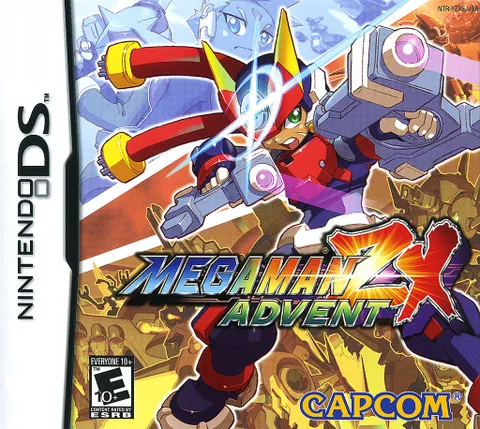
Mega Man ZX Advent · 2007
-
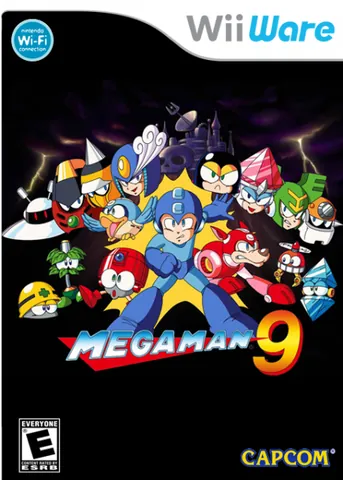
Mega Man 9 · 2008
-
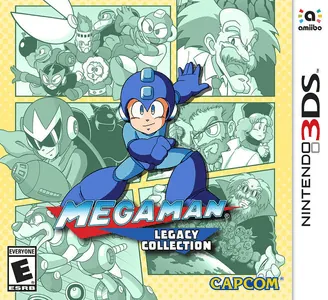
Mega Man Legacy Collection · 2016