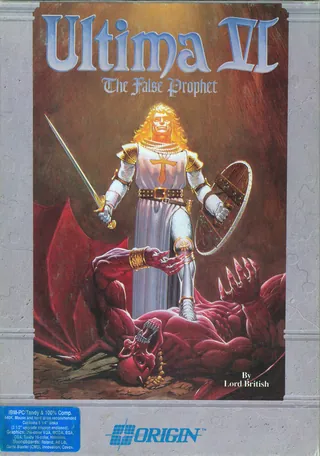
Ultima VI: The False Prophet
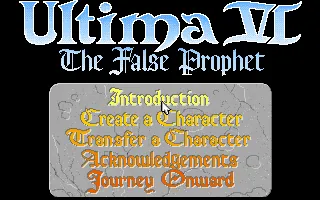
Ultima VI: The False Prophet is the entry where the series first turned its own moral question against the player. Britannia is under threat from gargoyles who destroy shrines and abduct people, yet the further the player progresses, the clearer it becomes that these are a civilization with their own script, faith, and prophecy — and that in their story, the Avatar is the one who came to take. Resolving the conflict ultimately can't be done with a sword, but through understanding, an unusual solution for 1990. Key to understanding the other side is also their script, which the player gradually learns to read, and suddenly the inscriptions he's walked past so many times start to make sense.
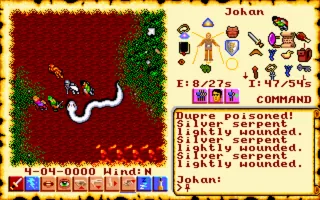
Technically, Ultima VI unified the world into a single seamless top-down map, with no switching between an overworld map and towns, and it introduced mouse control along with an icon-based action interface. There's a huge number of objects, and most of them can genuinely be used: sacks of flour, barrels, sleds, magic lenses, or dice. Spells are mixed from reagents, townsfolk keep a daily schedule and respond to keywords, and a lot of important information is hidden only in dialogue with side characters. Turn-based combat, by contrast, is more of a hindrance than the game's highlight. The party is made up of familiar faces from the series, each with their own inventory and opinions, and some puzzles hinge precisely on having the right companion on hand.
Visually it was a major leap thanks to the VGA palette, and the music on cards like the Roland or AdLib ranks among the best Origin had composed up to that point. At the time, the sixth installment was well received, though some players missed the more enchanting atmosphere of the earlier tile-based worlds. Today it stands as an interesting middle step between classic and modern Ultima: it already has a simulated world, but not yet its full fluidity. Its central theme — an enemy who has a truth of their own — still works brilliantly. The game was also ported to other systems and remains one of the most frequently discussed entries in the series among fans.
Game 57 of 204 for PC / DOS (XT až 486)
The same title elsewhere (1)
From the same series Ultima →
 Ultima VII: The Black Gate SNES · DOS
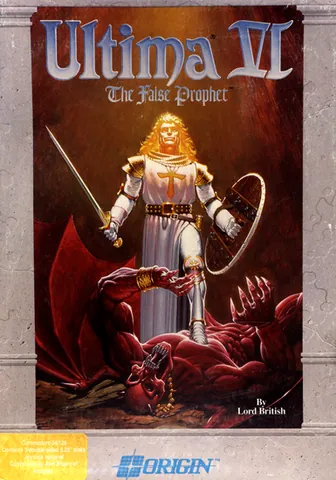 Ultima VI: The False Prophet C64
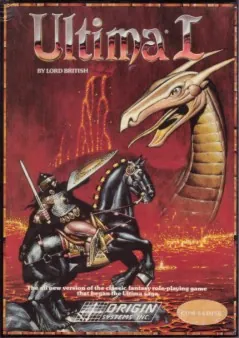 Ultima I: The First Age of Darkness A800 · 1982
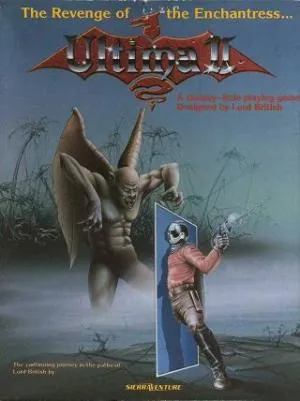 Ultima II: The Revenge of the Enchantress DOS · A800 · 1982
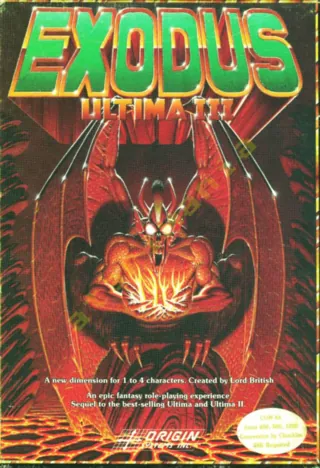 Ultima III: Exodus A800 · DOS · 1983
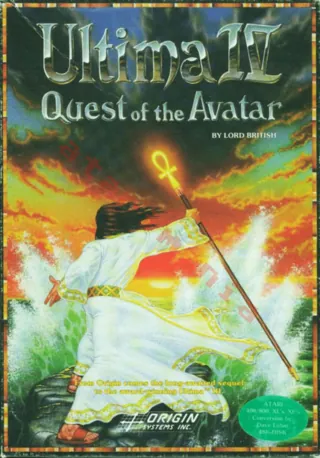 Ultima IV: Quest of the Avatar A800 · C64 · 1985
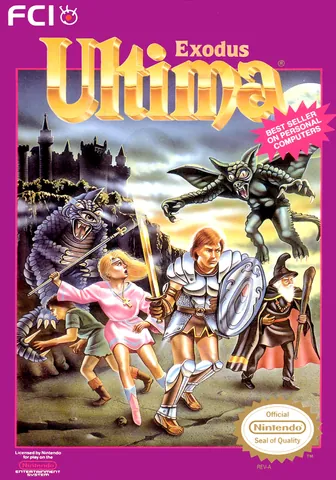 Ultima: Exodus NES · 1987
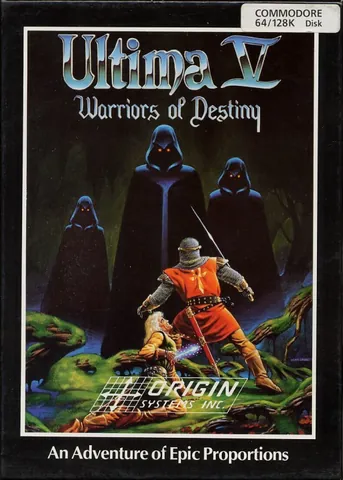 Ultima V: Warriors of Destiny C64 · DOS · Amiga · 1988
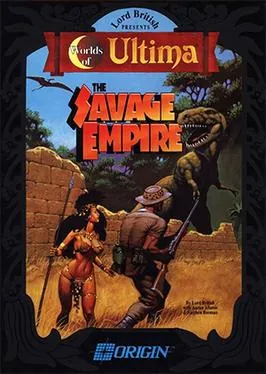
 Worlds of Ultima: The Savage Empire DOS · 1990
 Ultima: Runes of Virtue GB · 1991
 Worlds of Ultima: Martian Dreams DOS · 1991
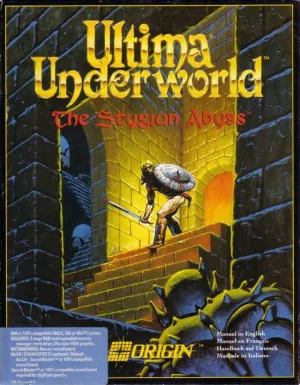 Ultima Underworld: The Stygian Abyss DOS · 1992