Game studio
Origin Systems
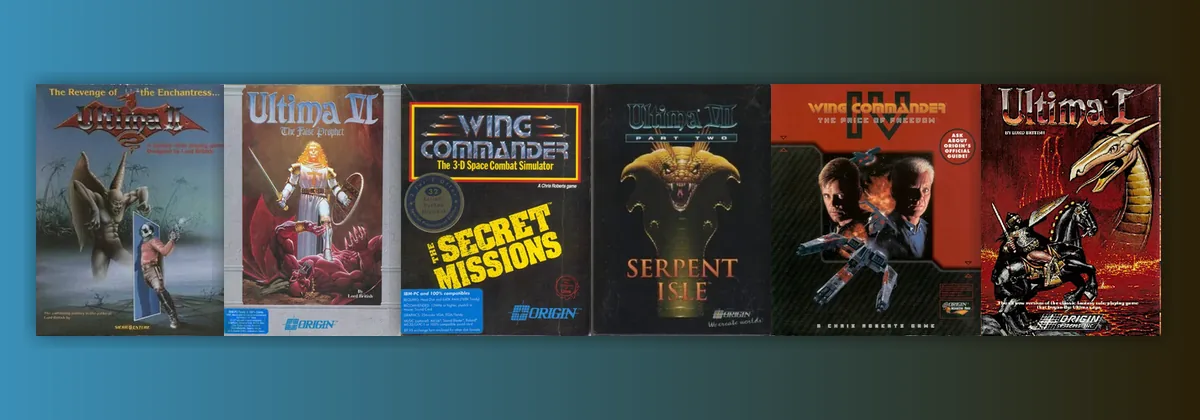
Origin Systems was one of the most important American game studios of the 1980s and 90s, famous above all for the Ultima series, one of the founding pillars of the computer RPG genre. The studio earned a reputation for ambitious, technically demanding games with elaborate worlds and a moral system that, in Ultima, determined how the world around the player reacted to their actions. Besides RPGs, Origin also became known for the space action series Wing Commander, which served as a technology showcase for what PCs of the era could do. The company motto "We create worlds" captured the studio's ambition to build vast, believable game universes – even at the cost of high development expenses, which later became one of the reasons for its demise.
History
Origin Systems was formed in the early 1980s around the creator of Ultima, who had begun developing the series even before the company was formally founded. The small publisher gradually grew into a studio with its own development team, and thanks to the success of subsequent Ultima installments it built a strong position in the DOS computer game market. A pivotal step was the launch of the Wing Commander series in the early 90s, which combined action-packed space combat with cinematic storytelling and hired actors in video sequences – at the time one of the most expensive productions on PC.
In the early 90s the company was bought by publisher Electronic Arts, which allowed the studio to finance ever more ambitious projects, including the technically demanding Ultima VII and Ultima VIII as well as further generations of Wing Commander. Origin was among the pioneers of multimedia storytelling in games, with Wing Commander featuring extensive live-action film sequences, and it experimented with unconventional platforms too, such as releasing Wing Commander III for the VFX1 headset or the 3DO console. Alongside its flagship series, side projects emerged as well, such as the Jane's line of flight simulators, which expanded the studio's portfolio with more realistic military themes.
A defining moment came with the release of Ultima Online in 1997, one of the first mass-successful MMORPGs, which showed that the genre's future lay in persistent online worlds shared by thousands of players at once. Despite this success, however, rising development costs on individual projects and several commercially weaker titles led Electronic Arts to gradually scale the studio back. The last major single-player entry, Ultima IX: Ascension, came out in 1999 to mixed reviews, and a few years later Electronic Arts closed the studio, focusing instead on keeping Ultima Online running under other teams.
Key People
The studio's central figure was Richard Garriott, known by the nickname Lord British, who created the Ultima series and shaped its characteristic emphasis on moral choices and an elaborate game world. Around him, Origin Systems built a creative team capable of developing two demanding franchises in parallel – the RPG series Ultima and the action series Wing Commander – and later responsible for the move to online play in the form of Ultima Online.
Today
Origin Systems ceased to exist as an independent studio in the early 21st century after Electronic Arts gradually absorbed it and eventually shut it down. The Ultima and Ultima Online brands, however, survived under various teams within EA, and the Origin name still appears today, for instance, on the publisher's digital distribution platform, even though it no longer has anything to do with the original development studio. Origin Systems' legacy lives on above all among fans of classic RPGs and in communities dedicated to preserving and keeping older Ultima titles running today, whether through fan-run Ultima Online servers or by keeping alive the memory of the influence the early Ultima and Wing Commander games had on the entire computer game genre.
Games by the studio (35)
-
-
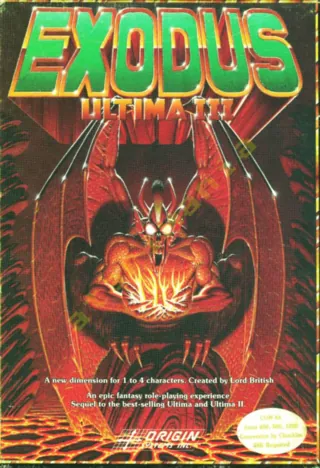
Ultima III: Exodus · 1983
-
-
-
-
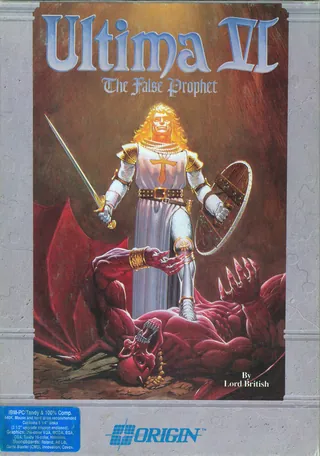
Ultima VI: The False Prophet · 1990
-
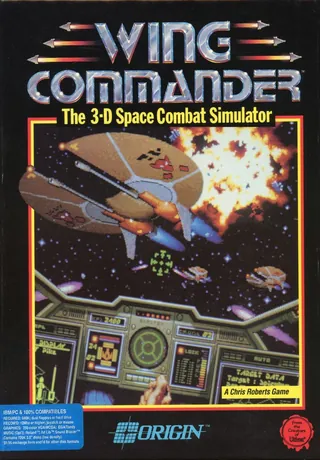
Wing Commander · 1990
-
- DOS
-
-
-
-
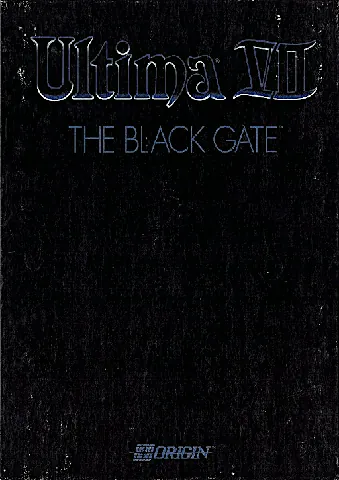
Ultima VII: The Black Gate · 1992
- DOS
-
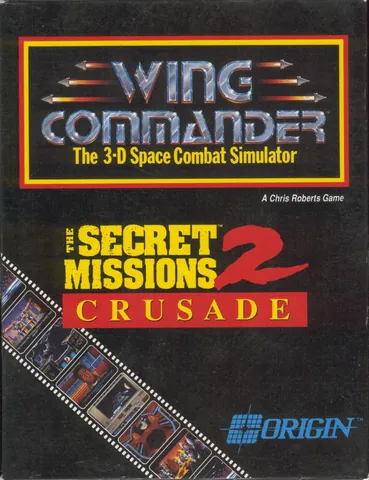
-
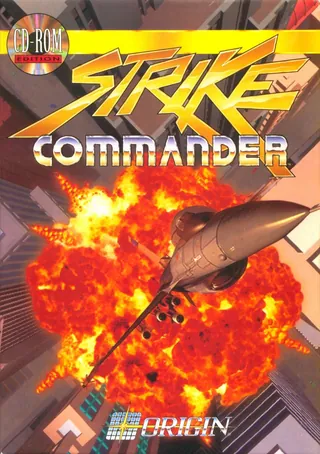
Strike Commander · 1993
-
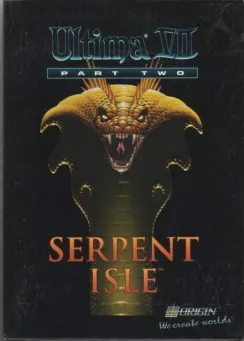
-
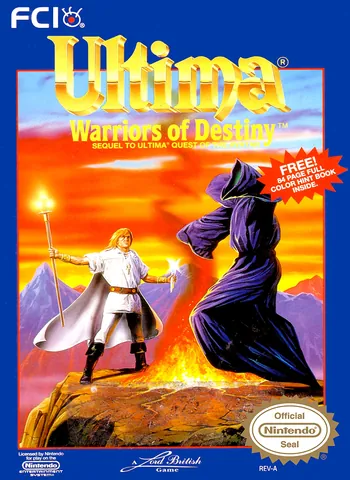
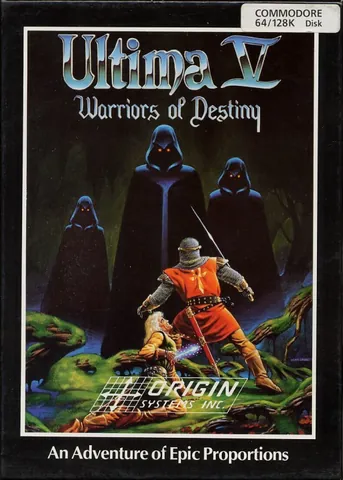
Ultima: Warriors of Destiny · 1993
-

Wing Commander: Academy · 1993
-
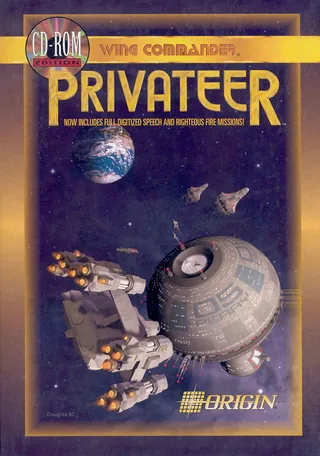
Wing Commander: Privateer · 1993
-
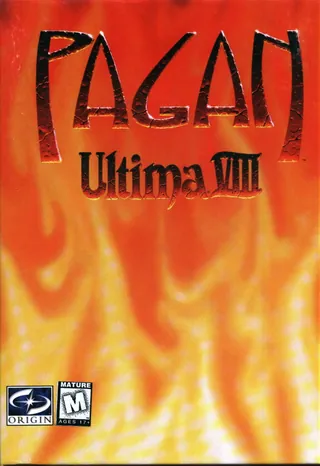
Ultima VIII: Pagan · 1994
-
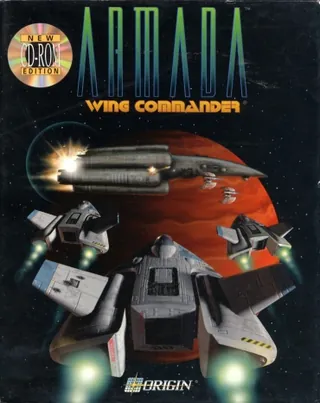
Wing Commander Armada · 1994
-

-
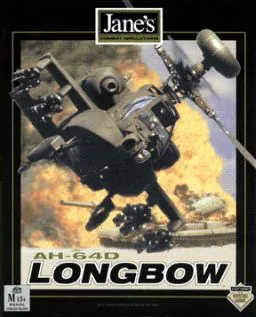
Jane's AH-64D Longbow · 1996
-
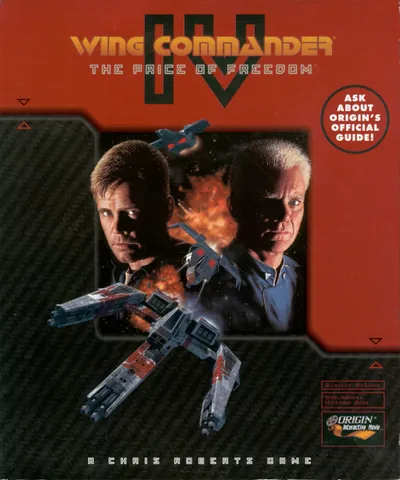
-
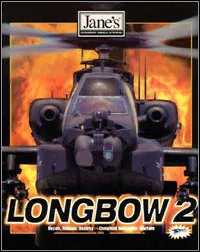
Jane's Longbow 2 · 1997
-
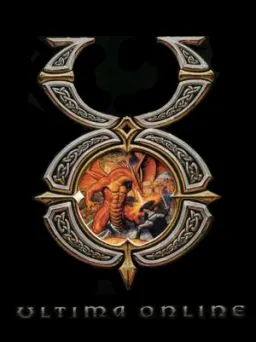
Ultima Online · 1997
-
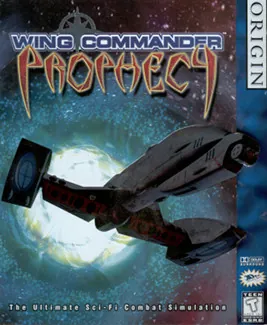
Wing Commander: Prophecy · 1997
-
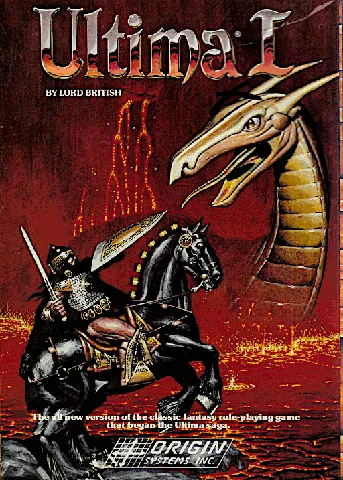
Ultima IX: Ascension · 1999