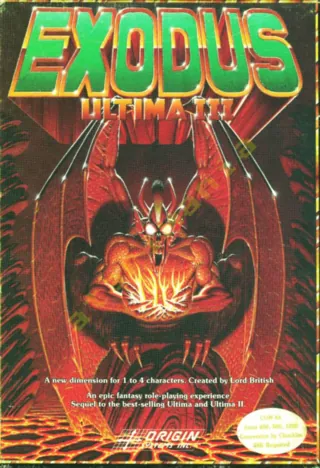
Ultima III: Exodus
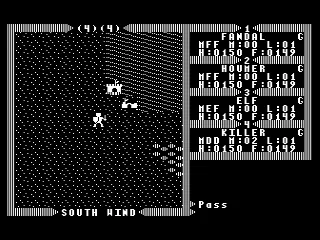
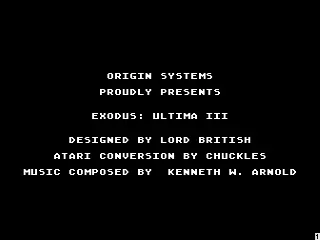
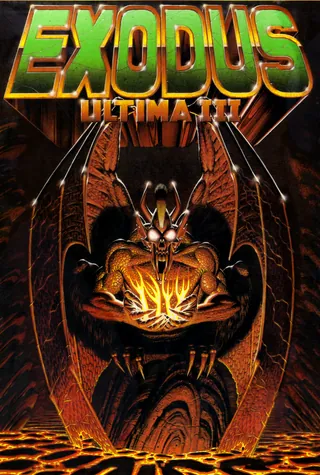
Ultima III: Exodus is one of the works that defined the computer RPG genre in the early 1980s, and the Atari 800 version was among the best-received ports of all thanks to its smooth use of the 8-bit Atari's graphical capabilities. The player assembles a four-member party of adventurers, choosing from several races and classes, travels through the open world of Sosaria with its cities, islands, and accessible moongates, fights in turn-based battles on a separate screen, and gradually uncovers the plot of the creature Exodus, which threatens the entire land. Compared to previous entries, the third installment placed greater emphasis on party play, diverse character classes and races, and a more elaborate magic system split into priest and mage spells, complemented by a fleet of ships and airships for traveling and a system for buying equipment from specialized merchants in individual towns.
Technically, the game benefited on the Atari from its color palette and hardware background scrolling, so traveling across the world map and moving through dungeons felt smoother than on competing 8-bit systems, where scrolling was often choppy. The sound was modest, as was typical for the genre at the time, but the atmosphere was rounded out by detailed text descriptions, random encounters, and the feel of a genuinely vast, interconnected world full of secrets. For many players it was their first encounter with the concept of a persistent game world, where decisions, exploration, and character building had a real impact on progress, and where dangers could be encountered entirely outside the main storyline.
Contemporary reviews ranked Ultima III among the very best of the genre, and the game had a major influence on later CRPG development, including its own sequels and competing series such as Wizardry and Bard's Tale, which adopted many elements of party-based combat and world structure from it. Today it feels more like an archaeological artifact, demanding patience, manual mapping, an absence of modern hand-holding, and the uncompromising difficulty of its final dungeons, but as a historical milestone and evidence of what the genre's roots looked like, it still deserves the attention of every RPG fan.
Why play: For RPG fans willing to arm themselves with patience, manual mapping, and the uncompromising difficulty of the final dungeons — as a milestone that influenced Wizardry and Bard's Tale, it deserves respect.
Game 61 of 124 for Atari 800 / 8-bit
The same title elsewhere (1)
From the same series Ultima →
 Ultima VII: The Black Gate SNES · DOS
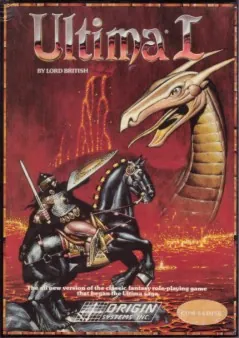 Ultima I: The First Age of Darkness A800 · 1982
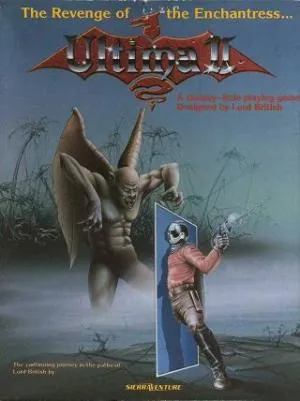 Ultima II: The Revenge of the Enchantress DOS · A800 · 1982
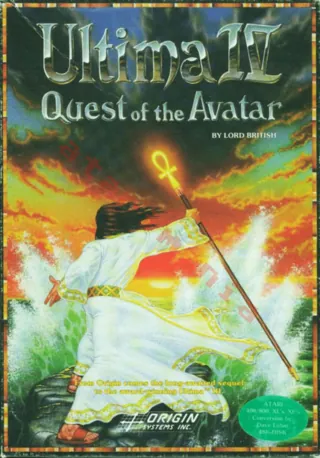 Ultima IV: Quest of the Avatar A800 · C64 · 1985
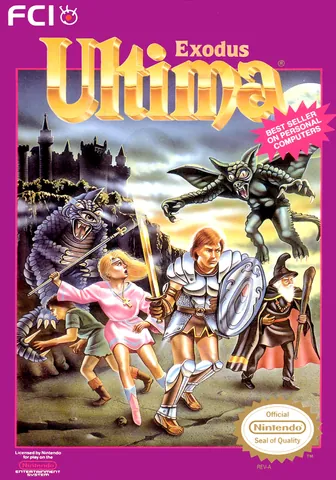 Ultima: Exodus NES · 1987
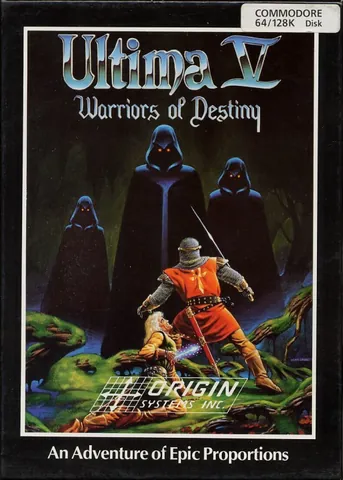 Ultima V: Warriors of Destiny C64 · DOS · Amiga · 1988
 Worlds of Ultima: The Savage Empire DOS · 1990
 Ultima: Runes of Virtue GB · 1991
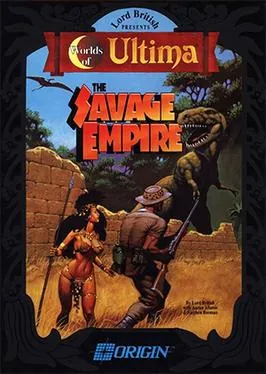 Worlds of Ultima: Martian Dreams DOS · 1991
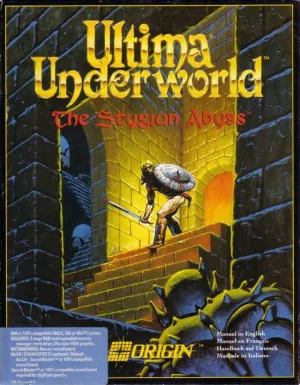 Ultima Underworld: The Stygian Abyss DOS · 1992
 Ultima: Runes of Virtue II GB · 1993