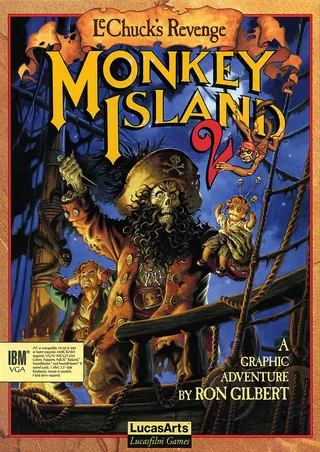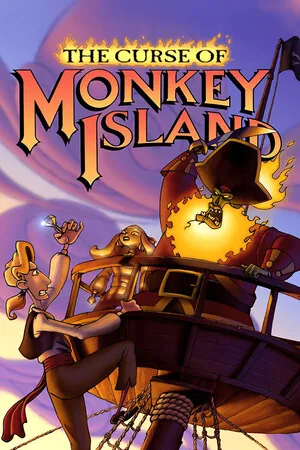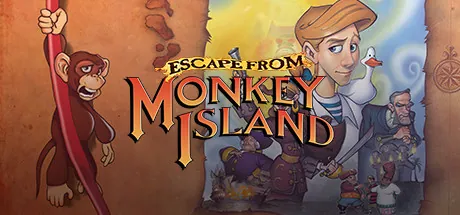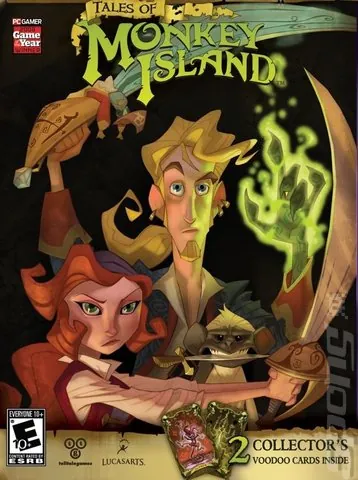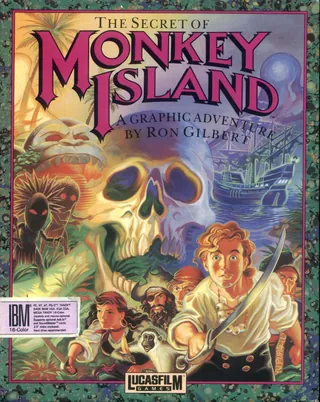
The Secret of Monkey Island
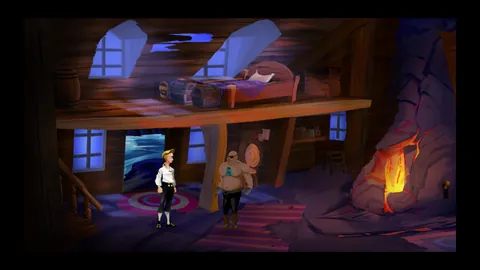
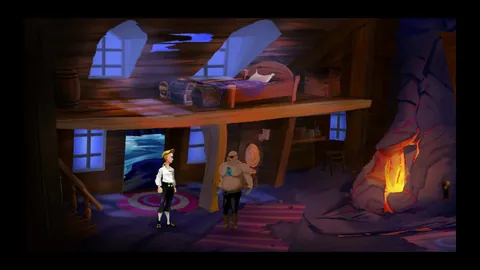
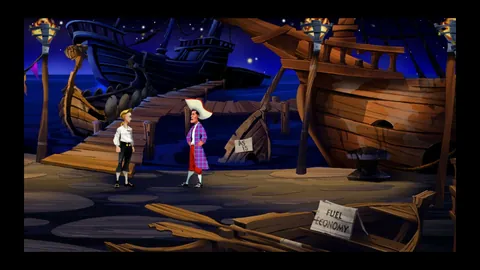
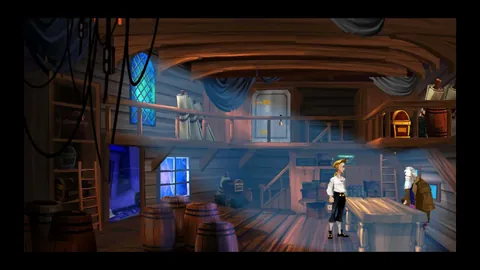
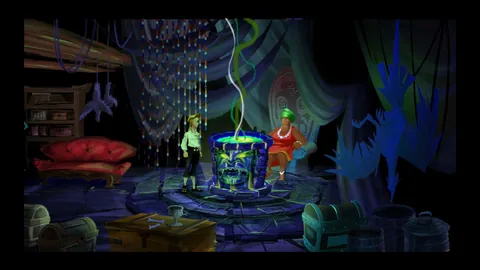
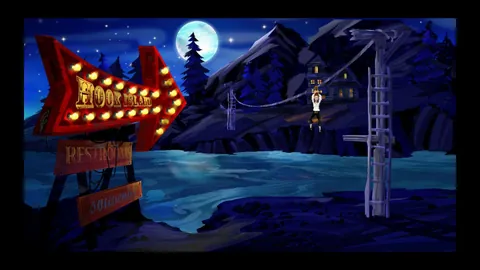
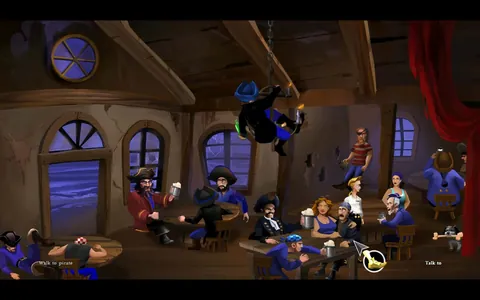
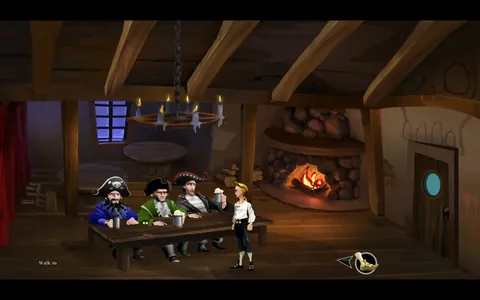
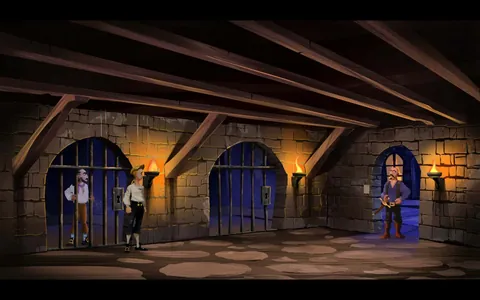
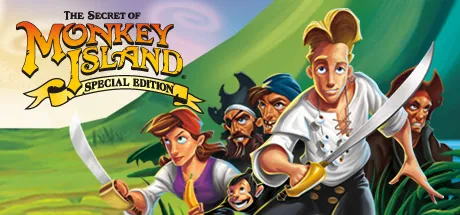
The Secret of Monkey Island is the game against which good adventure design is still measured today. Guybrush Threepwood arrives on Mêlée Island with a single goal — to become a pirate — and before he knows it, he must pass three pirate trials, fall in love with Governor Elaine Marley, and stand up to the undead Captain LeChuck. Controls are classic SCUMM with verbs and an inventory, but the game's real strength is its writing: the dialogue is funny without ever making the game seem dumb, and the humor always serves the characters.
The most famous mechanic is insult sword-fighting, in which combat isn't really about the sword but about the lines — the player collects insults and their proper comebacks from defeated opponents, then uses them against the master swordswoman. The game also became famous for the fact that it's practically impossible to die or get permanently stuck in it, a conscious counterpoint at the time to Sierra's adventure games. The puzzles are logical within the game's own skewed logic, and it never punishes the player for curiosity or experimentation.
On DOS, Monkey Island came out first in EGA, a year later in a more colorful VGA version, and gained sound card support along the way — its main Caribbean theme ranks among the most recognizable melodies in computer game history. The island atmosphere, the night fog in the swamp, and a tavern full of drunken pirates hold together just as well today. At the time it received an enthusiastic reception and defined the tone of the whole studio; its influence on the genre can be seen in dozens of titles that followed. Today it plays just as well as it did back then: it's funny, appropriately long, and kind to the player, and even after all these years it remains one of the first games recommended to genre newcomers. The dialogue trees, where you can pick options purely for fun, have aged especially well, since the game assumes the player will want to hear absolutely everything. If there's a single title that can introduce someone who never lived through it to the era of DOS adventure games, it's probably Monkey Island.
Game 35 of 204 for PC / DOS (XT až 486)
The same title elsewhere (4)
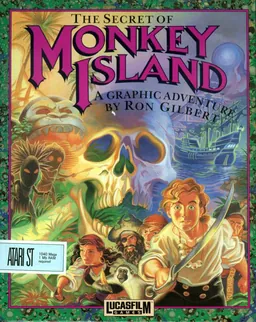
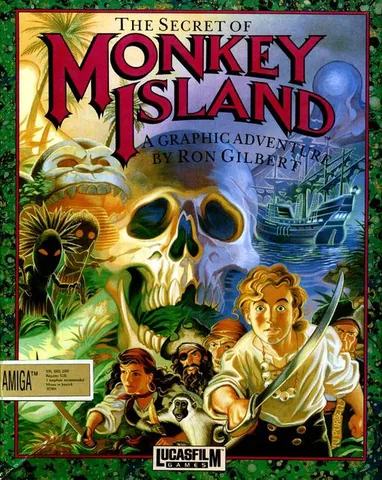
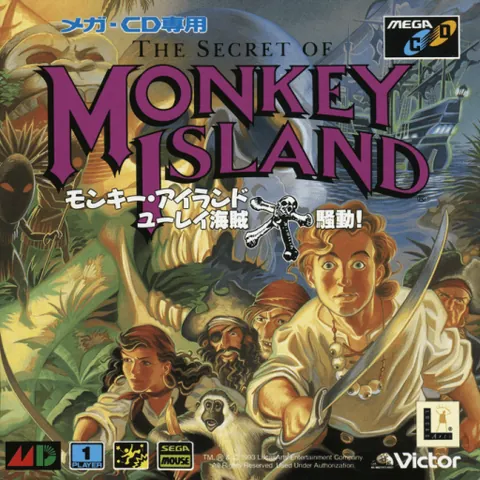
On the Amiga the game shone thanks to a rich colour palette and four-channel tracker music, giving it an atmosphere many fans still consider the best-balanced of all versions. The PC/DOS release depended heavily on the player's hardware: originally simple 16-colour EGA graphics with sound through the PC speaker or an AdLib card, while a later VGA release brought richer colours closer to the Amiga. The SEGA Mega-CD version used the CD medium to add a full orchestral soundtrack in CD-quality audio, which many players regard as the best musical rendition of any version — but mouse control had to give way to a gamepad, making the adventure noticeably less precise and slower to play.