Game studio
Lucasfilm Games
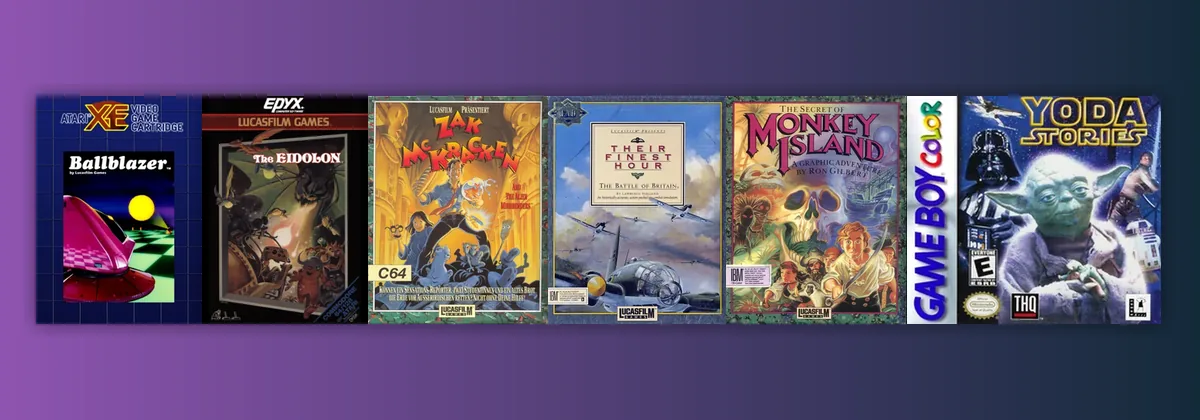
Lucasfilm Games was the in-house game studio of George Lucas's film company, which grew from a mere side experiment into one of the most respected adventure-game studios in history. While other publishers in the 1980s bet on action titles derived from film licenses, Lucasfilm Games went its own way, focusing on point-and-click adventures that emphasized humor, story, and playfulness. The studio's name is still associated with the Monkey Island, Maniac Mansion, and Indiana Jones series, and with the SCUMM technology that gave its adventures an unmistakable style and let players experiment without the game punishing them with the character's death. At a time when rival Sierra adventures routinely let players die over a single wrong step, this approach was far more player-friendly and helped the genre reach a wider audience.
History
The studio was founded in the early 1980s as the game division of Lucasfilm, a company that was primarily a film production house. The first years were spent searching for its own identity – it produced action and arcade titles such as Rescue on Fractalus! and Ballblazer, which showcased the team's technical skill but not yet the direction that would make the studio famous. The turning point came in 1987 with the release of Maniac Mansion, an adventure built on the newly developed SCUMM system (Script Creation Utility for Maniac Mansion). This tool made it possible to create graphic adventures with intuitive control via commands, and later a mouse, without the need to type text commands as in rival games from Sierra or Infocom.
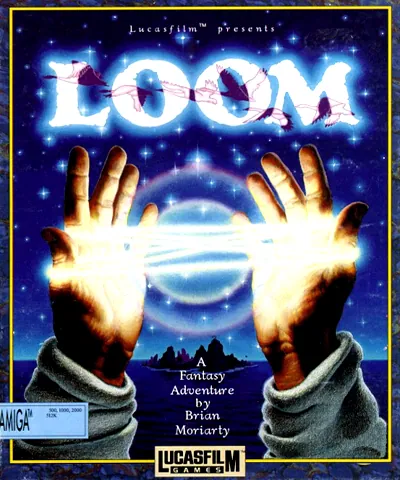
Maniac Mansion was followed by further successful adventures – Zak McKracken and the Alien Mindbenders, Indiana Jones and the Last Crusade: The Graphic Adventure, and in 1990 two key works at once: Loom and The Secret of Monkey Island. Monkey Island became the studio's flagship and launched a series that continued with further installments even after the studio was renamed LucasArts in the early 1990s. The studio gradually built a reputation as a maker of adventures with exceptionally well-written dialogue and a philosophy that players should never be able to unwinnably lose the game through an unlucky choice. Key to this shift was also the introduction of a simpler control interface with command verbs, and later a purely icon-based menu, which further lowered the barrier for new players and became a model for the entire adventure genre in the 1990s.
Besides adventures, the studio occasionally ventured into other genres, such as the action game Zombies Ate My Neighbors for the SNES or Star Wars: Yoda Stories for the Game Boy Color, showing that its creative range extended beyond the adventure genre. At the same time, the studio also worked on games tied directly to the Star Wars film brand and on flight simulations such as Their Finest Hour: The Battle of Britain, proof that Lucasfilm Games was not strictly a single-genre publisher, even though it built its name primarily on adventures.
Key figures
The studio is inseparably linked with the name Ron Gilbert, who was behind the creation of the SCUMM engine and co-authored Maniac Mansion and The Secret of Monkey Island. Alongside him, writers and designers Tim Schafer and Dave Grossman contributed to key titles and later founded their own successful studios. This generation of creators defined the humorous, self-deprecating tone that set Lucasfilm Games's adventures apart from more serious rival games.
Today
The Lucasfilm Games brand was renamed LucasArts in 1990, under which the studio continued producing adventures and action games tied to the Star Wars brand until the early 21st century. LucasArts itself was closed in 2013 following Disney's acquisition of Lucasfilm, but the Lucasfilm Games name was revived several years later as a label for game projects developed under the Lucasfilm banner in collaboration with external developers. The original studio's legacy lives on independently of the official name as well – classic adventures like Monkey Island and Maniac Mansion have received remastered releases and remain a favorite target for retro gamers even decades after their original release.
Games by the studio (23)
-
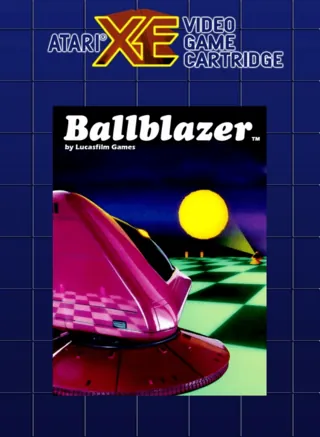
Ballblazer · 1984
-
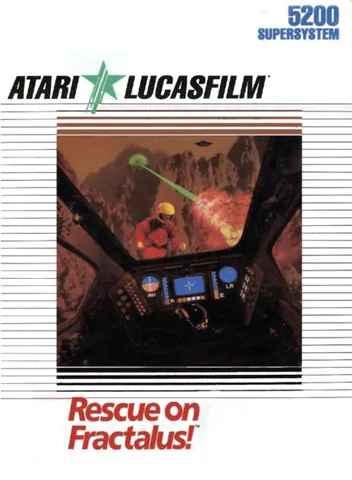
Rescue on Fractalus! · 1985
-
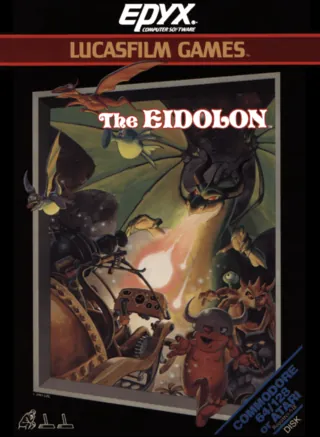
The Eidolon · 1985
-
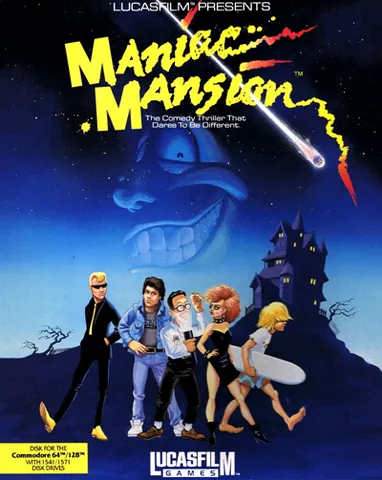
Maniac Mansion · 1987
-
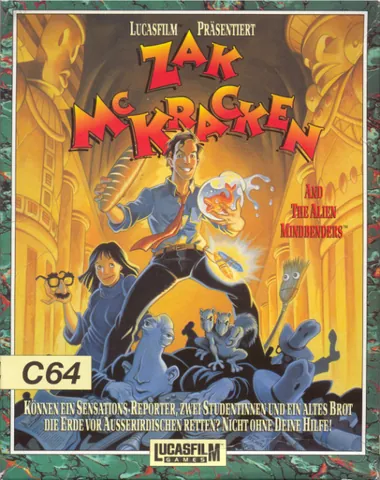
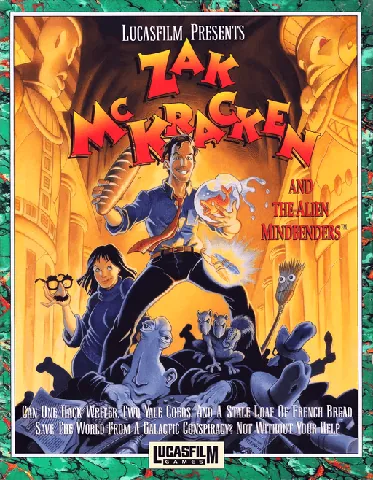
Zak McKracken · 1988
-
-
-

-
-
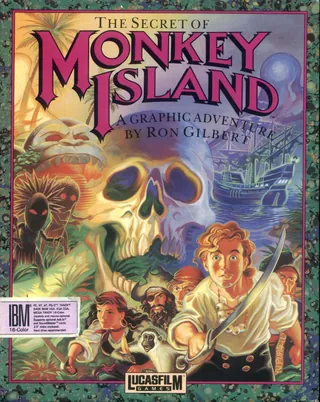
The Secret of Monkey Island · 1990
-
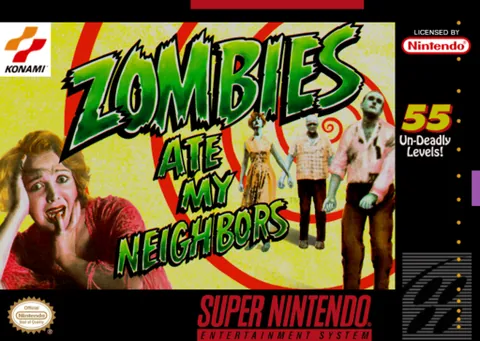
Zombies Ate My Neighbors · 1993
-
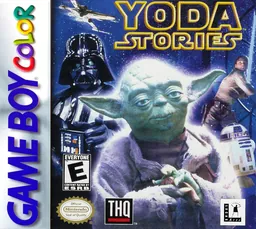
Star Wars: Yoda Stories · 1997