Franchises
Phantasy Star
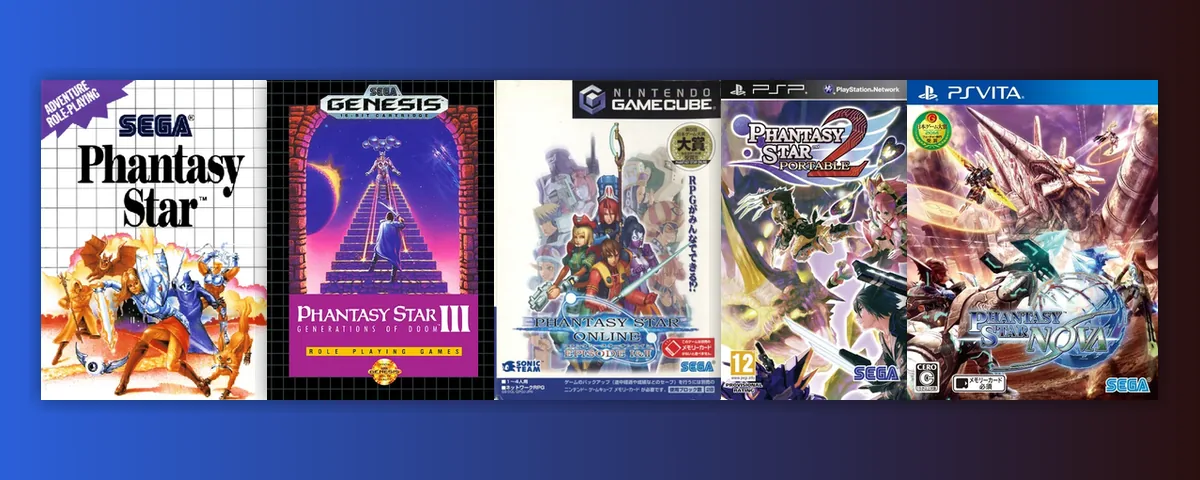
Phantasy Star (1987, Master System) was one of the first console RPGs to fully blend science fiction and fantasy — spaceships and lasers alongside swords and magic — and it put a female lead, Alis Landale, avenging her brother's death, at the centre of the story. Battles used a classic turn-based system with random encounters, as was standard for RPGs of the time. Its dungeon sections, rendered in a pseudo-3D perspective that alternated with top-down town and world maps, made it a technical standout among console RPGs of its era.
The following Mega Drive trilogy expanded the saga across the Algol star system through several generations of heroes and centuries of in-game history. Phantasy Star II took on a darker, more dystopian tone; III: Generations of Doom built its story around an unusual system where the choice of a hero's partner decides who becomes the protagonist of the next generation; and IV: The End of the Millennium tied the whole saga together, pairing a combo-based combat system with comic-panel storytelling, and is widely regarded by fans as the peak of the series' classic era.
The turning point came with Phantasy Star Online (2000, Dreamcast), one of the first console RPGs with online play over a modem, which traded a linear story for a shared world, a choice of both class and character race (human, genetically engineered Newman, or android CAST), and cooperative monster hunting across replayable missions. An expanded version, Episode I & II, later reached GameCube and Xbox, taking the series beyond Sega hardware for the first time, and it was followed by the Phantasy Star Universe branch and the portable Phantasy Star Portable on PSP.
That shift from a story-driven single-player RPG to online action split classic fans from a newer generation of players, but it also kept the series alive far longer than one might expect from an '80s console RPG — as shown by 2012's Phantasy Star Online 2, which enjoyed lasting popularity in Japan and only reached the West many years afterward. Phantasy Star's influence on the genre, from its early fusion of science fiction and fantasy to its pioneering work in console-based online RPGs, is visible in titles that clearly followed its blueprint decades after the original game.
Entries in the series (14)
-
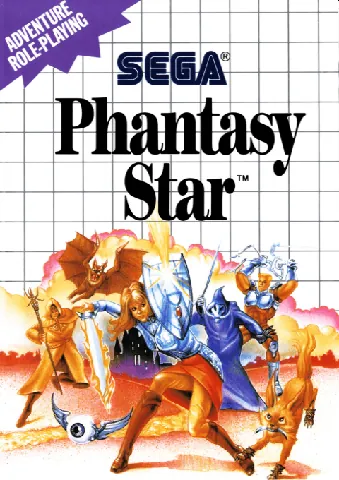
Phantasy Star (SMS) · 1987
-
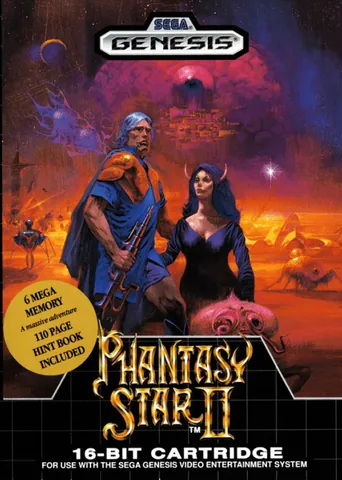
Phantasy Star II · 1989
-
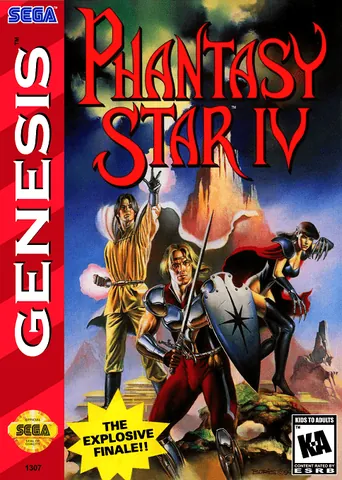
Phantasy Star IV · 1989
-
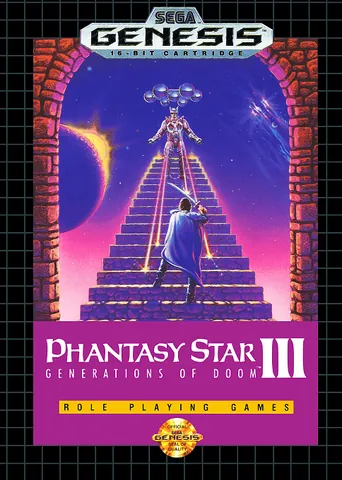
-
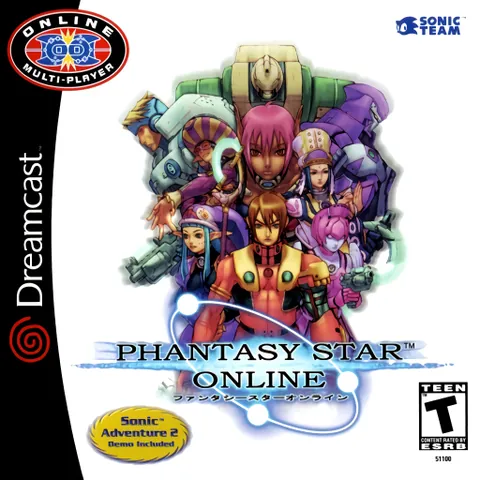
Phantasy Star Online · 2000
-
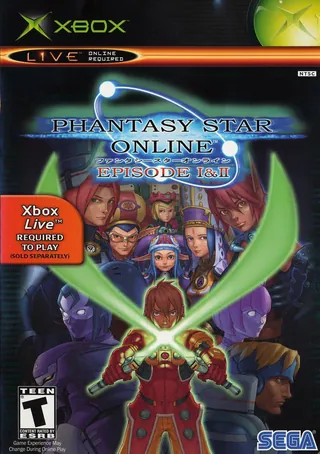
-
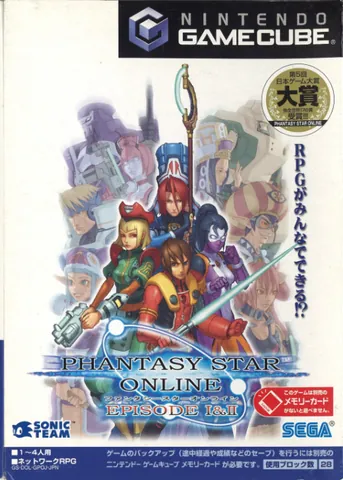
-
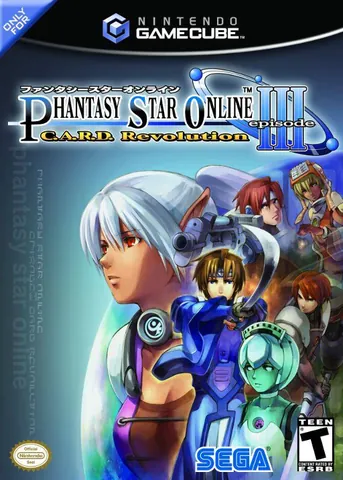
-
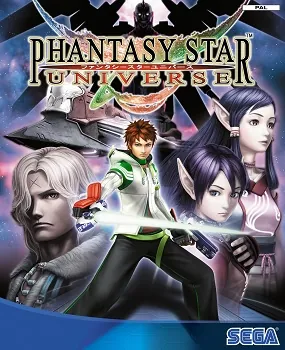
Phantasy Star Universe · 2006
-
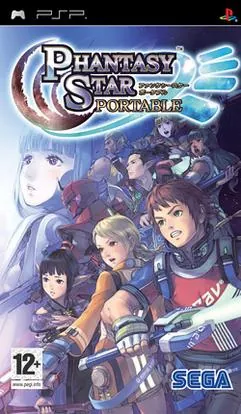
Phantasy Star Portable · 2008
-
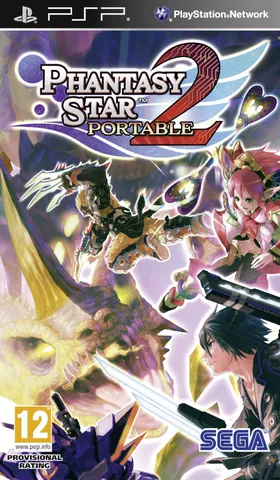
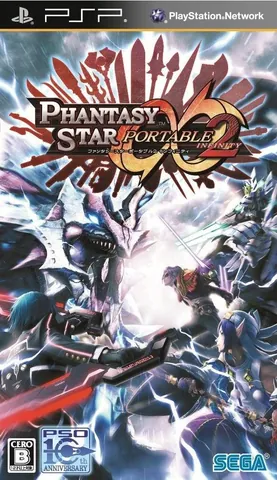
Phantasy Star Portable 2 · 2009
-
-
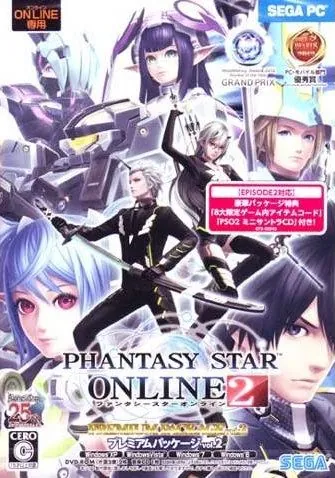
Phantasy Star Online 2 · 2012
-
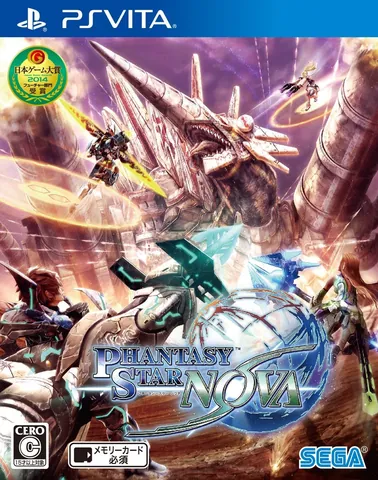
Phantasy Star Nova · 2014