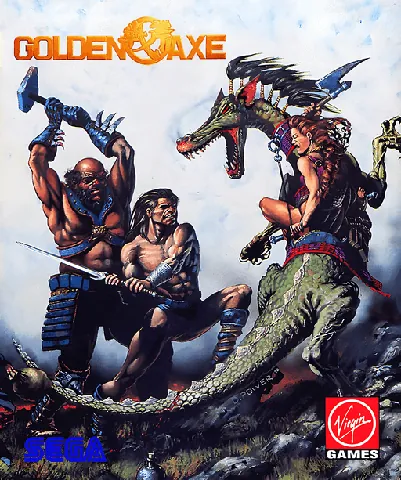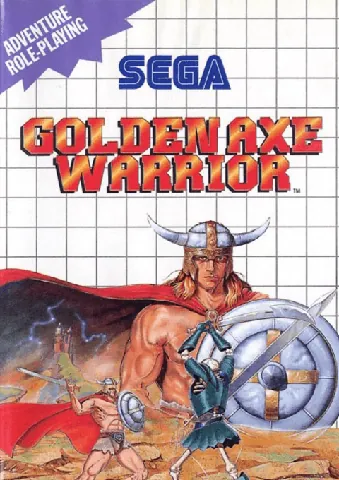
Golden Axe
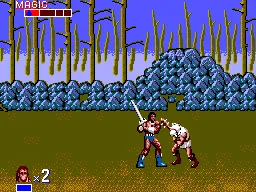
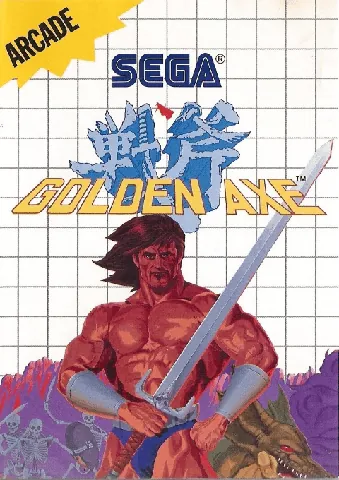
A barbarian, a dwarf and an amazon set out to avenge a world plagued by the tyrant Death Adder. Golden Axe, SEGA's arcade hit from 1989, is one of the most beloved fantasy brawlers, and on the Master System it brought a slice of this epic to the home eight-bit.
The game combines a classic beat 'em up with a world of swords and magic. You choose one of three characters, each with a different fighting style and a different spell, and fight your way through hordes of enemies. A distinctive feature is the ridable creatures, the so-called Bizarrians, on which you can crush your opponents, and the spells whose power you increase by collecting flasks from the imps you rob during rest breaks.
Golden Axe stood out with its excellent dark-fantasy atmosphere, striking characters and a combat system that rewarded both brute force and the tactical deployment of magic at the right moment. Two-player co-op made it an ideal title for shared evenings.
The SEGA Master System version is a home conversion of the arcade original, adapted to the capabilities of the eight-bit console. For Master System owners it was a way to bring the SEGA fantasy classic home, albeit in a technically more modest form than the later Mega Drive versions.
Golden Axe became one of SEGA's pillar brands and spawned a string of sequels and spin-offs across console generations. Alongside titles like Altered Beast and Streets of Rage, it helped shape SEGA's identity as a publisher of brisk, characterful action games. Its heroes are among the hallmarks of the company's golden era.
Why play it: For a fantasy brawler with soul, rides on monsters, devastating spells and a cooperative adventure that holds up even today.
Game 26 of 67 for SEGA Master System
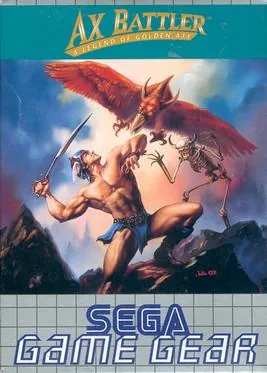
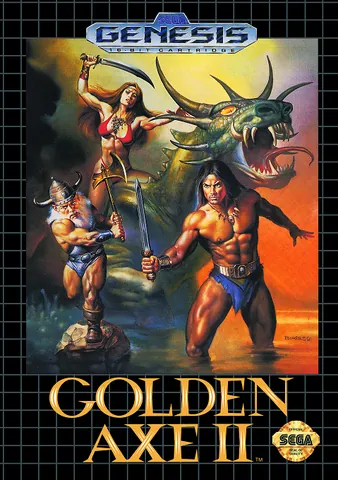
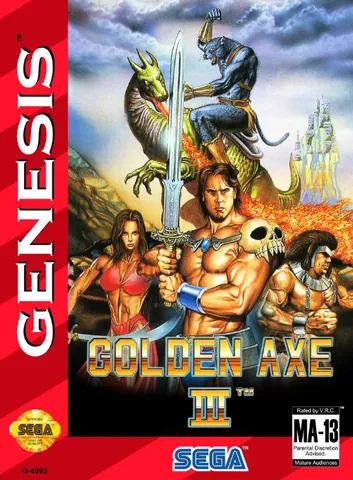
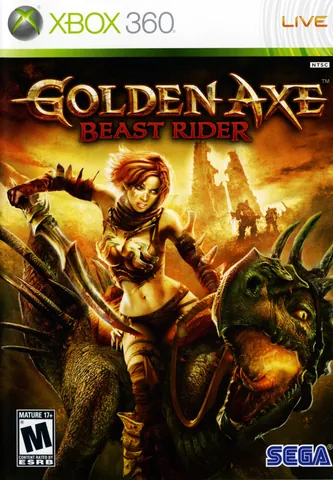
The same title elsewhere (6)
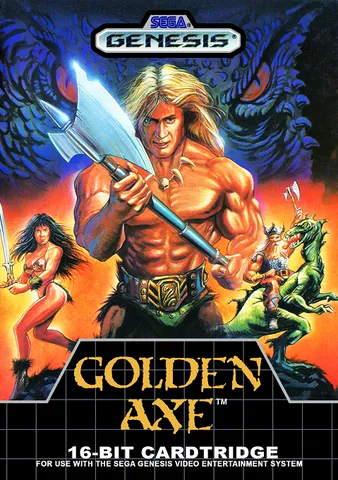
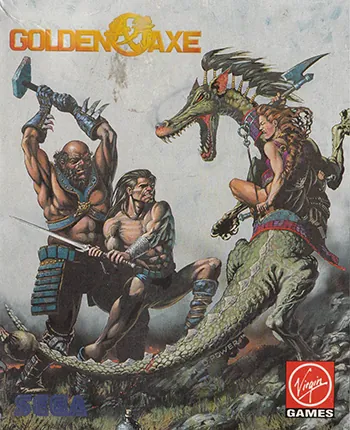
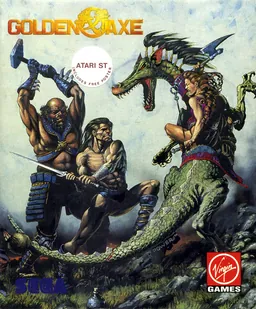
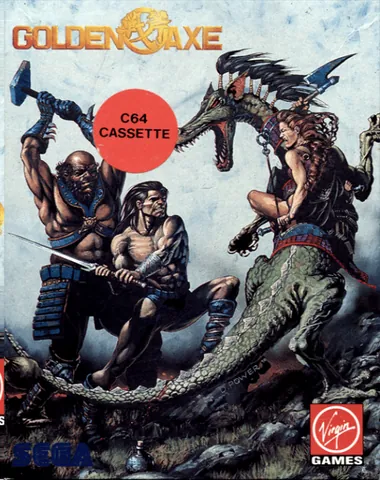
The 1989 Sega arcade original ran smoothly in bright, saturated colors and offered its full soundtrack alongside true simultaneous two-player action. The Mega Drive version came closest, keeping most of the atmosphere, music, and enemies, though some backgrounds and details had to be simplified. On the Master System, levels were shorter and the graphics plainer due to weaker hardware. Ports for eight- and sixteen-bit computers (Commodore 64, Amstrad CPC, Amiga, Atari ST) suffered from slower, choppier scrolling, a reduced color palette, and often lost simultaneous two-player co-op entirely. For the experience closest to the arcade cabinet, the Mega Drive version is the one to pick.