Game studio
Sonic Team
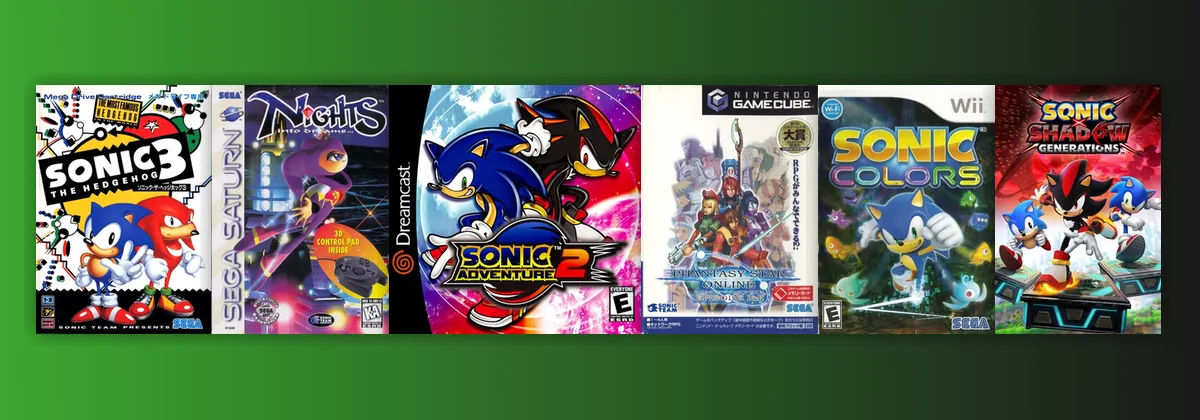
When you say Sega, most gamers picture a blue hedgehog racing through loops faster than the eye can follow. Behind him stands Sonic Team – Sega's in-house development studio, which in the nineties became a byword for boldness, color, and technical brilliance. Retro gamers love it precisely because it was never a studio that merely met a quota: it was a bunch of enthusiasts who knew how to squeeze the most out of Sega's consoles while preserving a playfulness and character the competition often lacked. From the iconic hedgehog through dreamlike visions to maraca-shaking madness – Sonic Team was never afraid to be different.
History
The studio's roots reach back to the team that, within Sega, worked on Sonic the Hedgehog (1991) for the Mega Drive console. The mascot was meant to let Sega compete with Nintendo's Mario, and the bet paid off completely – a fast, cheeky hedgehog with attitude defined an entire era and became the face of the company. The name "Sonic Team" then stuck as the brand under which this group of creators released further titles.
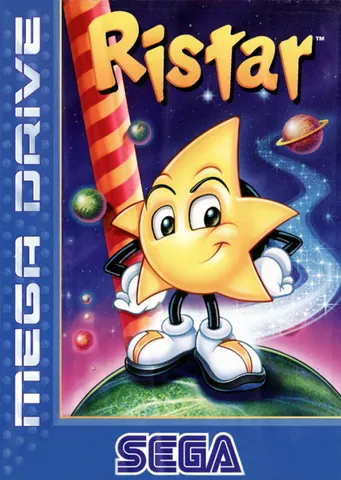
On the Mega Drive came the sequels Sonic the Hedgehog 2 (1992) and Sonic the Hedgehog 3 (1994), which expanded the series with new abilities, the companion Tails, and the rival Knuckles. Outside the hedgehog's world, 1995 saw the birth of Ristar, a charming platformer about a star being with stretchy arms – today a prized classic that showed the team could make a brilliant 2D game even without Sonic.
With the arrival of the 32-bit era, Sonic Team ventured into new waters on the Sega Saturn. In 1996 came NiGHTS into Dreams, a dreamlike action game full of flight and color, which many still consider one of the peaks of the studio's work. Two years later the team added the action title Burning Rangers (1998), a futuristic game about firefighting rescuers – a bold, technically demanding project that tested the Saturn's limits.
The real comeback, however, arrived with the Dreamcast. Sonic Adventure (1998) brought the hedgehog fully into 3D and became one of the flagship titles of the new console. On the Dreamcast, Sonic Team added genre-bold gems to it: the clever puzzle game ChuChu Rocket! and the rhythm game Samba de Amigo, played with plastic maracas. It is precisely this variety that shows the studio's spirit at its best.
Key figures
The face of the studio was long Yuji Naka, a programmer and producer whose name is most closely tied to the early Sonics. Alongside him at the hedgehog's birth stood designer Naoto Ohshima, author of Sonic's very look, and level designer Hirokazu Yasuhara. This trio forms the core of the legend of the blue mascot's creation.
An inseparable part of the studio's identity is music. Composer Masato Nakamura, bassist of the band Dreams Come True, wrote the catchy soundtracks for the first two Sonic games. Later work was fundamentally shaped by Jun Senoue, a guitarist whose rock motifs gave Sonic Adventure its energy.
Over time, Takashi Iizuka came to the fore; he had already contributed to the classic games and later became the studio's long-standing head and guardian of the Sonic brand.
Transformations and transfers
Sonic Team went through a series of organizational changes. At the turn of the millennium it was briefly carved out as an independent company, Sonic Team Co., Ltd., only to return under Sega's wing as an in-house studio after Sega's internal reorganizations. A key turning point was the departure of Yuji Naka: he left Sega in 2006 and founded his own studio, Prope. Leadership and the creative continuity of the brand were then taken over by Takashi Iizuka.
Other founding figures also went their own way – Naoto Ohshima later co-founded the studio Artoon (later Arzest). Sonic Team as a brand, however, remained continuously part of Sega and carried the hedgehog's torch onward.
The present
Sonic Team still exists in 2026 and continues to operate as Sega's in-house studio. It remains the chief guardian of the Sonic brand – under its banner arise modern entries in the series that build on the classic legacy while aiming at new generations of players. At its head stands, over the long term, Takashi Iizuka, who connects current creative work with the era retro fans so fondly remember.
For lovers of the classics, Sonic Team remains a symbol of the courage to experiment. Whether it was the hedgehog's dizzying speed, the dreamy poetry of NiGHTS, or the crazy maracas of Samba de Amigo, the studio always reminded us that gaming should above all be a joy. And it is precisely this joy that makes its old games enduring favorites we return to to this day.
Games by the studio (46)
-
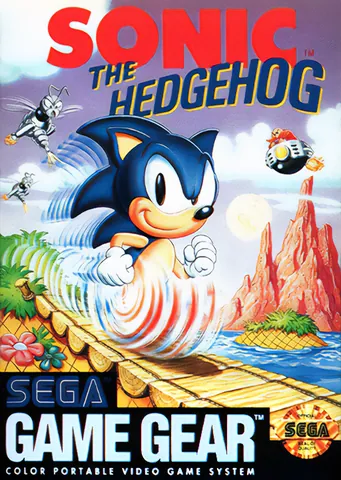
Sonic the Hedgehog (8-bit) · 1991
-
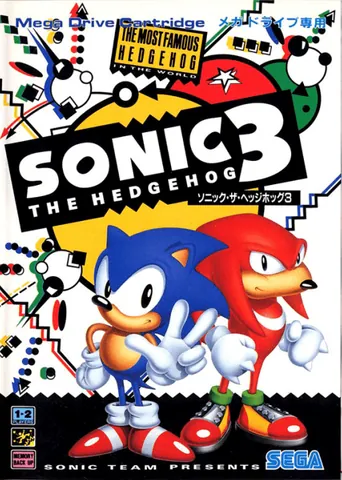
Sonic the Hedgehog 1–3 · 1991
-
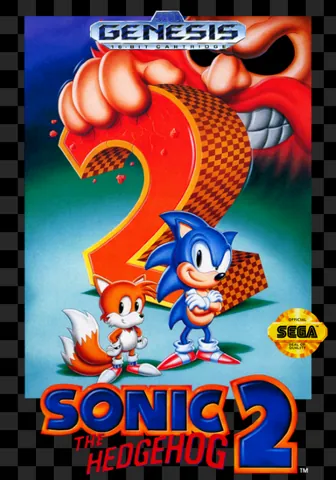
Sonic the Hedgehog 2 · 1992
-
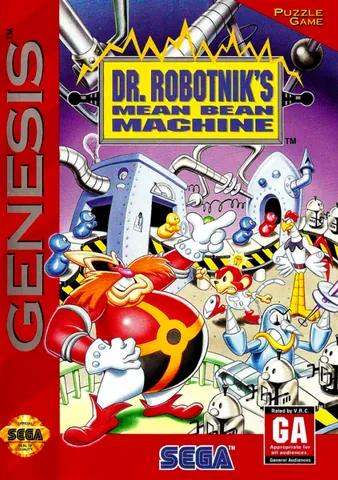
-
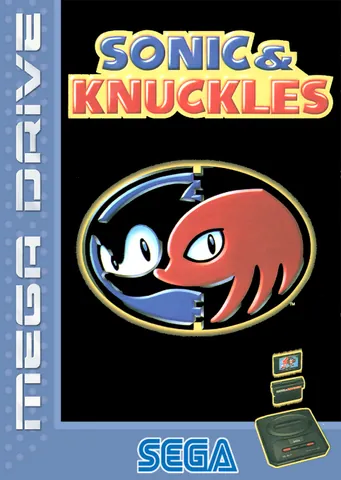
Sonic & Knuckles · 1994
-
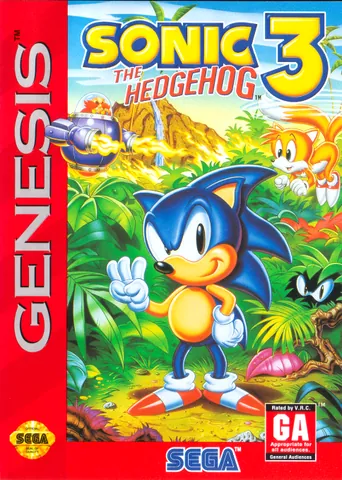
Sonic the Hedgehog 3 · 1994
-
-
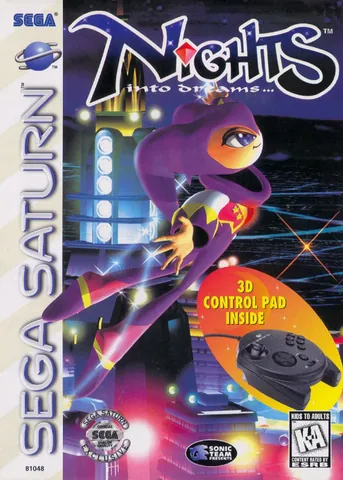
NiGHTS into Dreams... · 1996
-
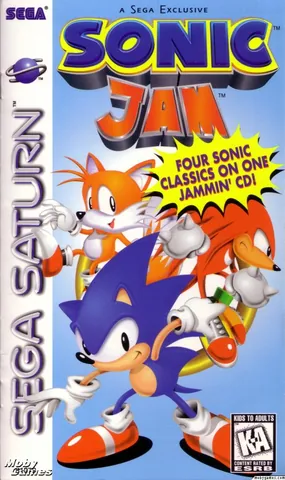
-
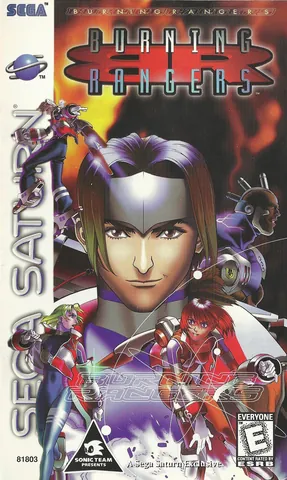
Burning Rangers · 1998
-
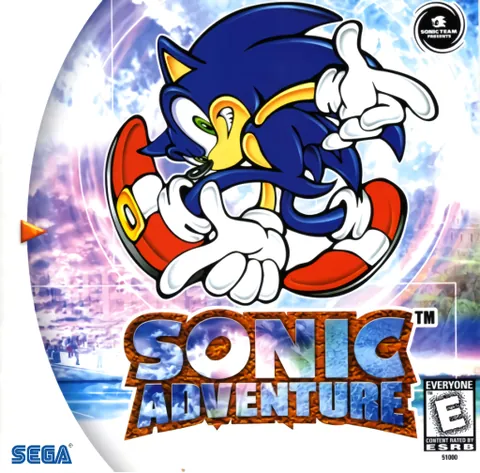
Sonic Adventure · 1998
-
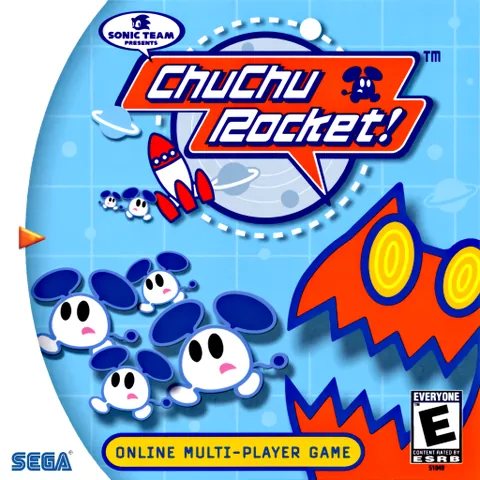
ChuChu Rocket! · 1999
-
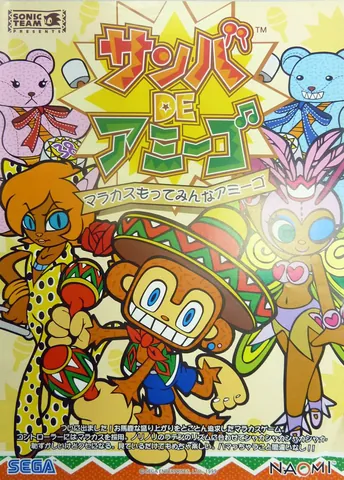
Samba de Amigo · 1999
-
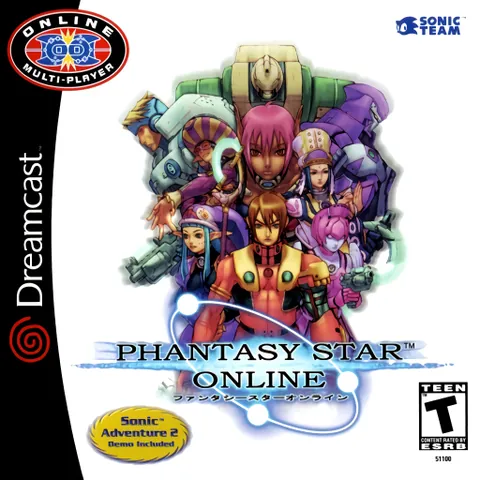
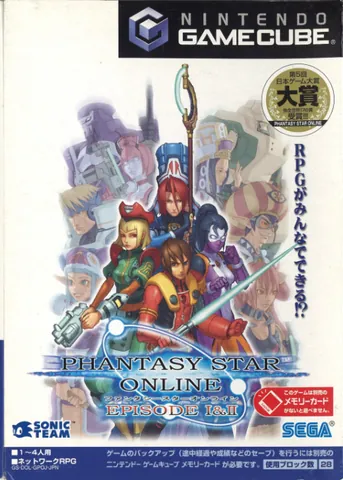
Phantasy Star Online · 2000
-
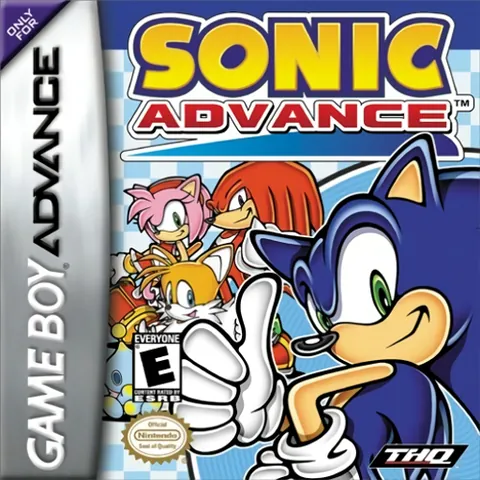
Sonic Advance · 2001
-
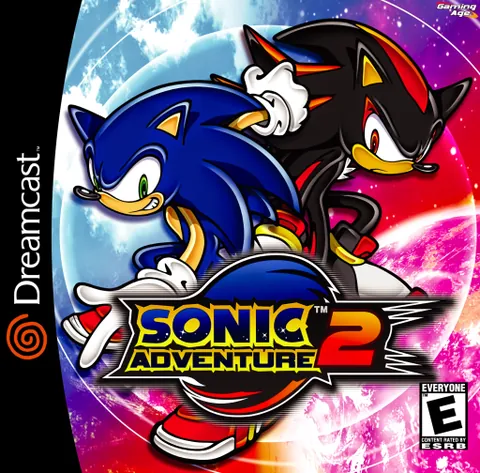
Sonic Adventure 2 · 2001
-
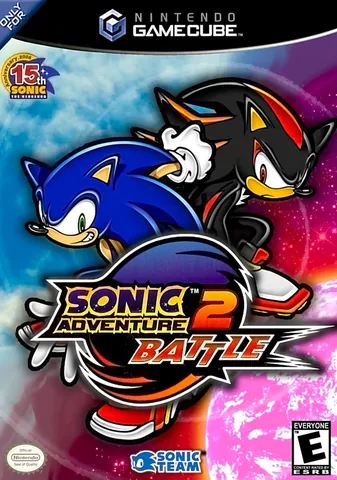
Sonic Adventure 2: Battle · 2001
-
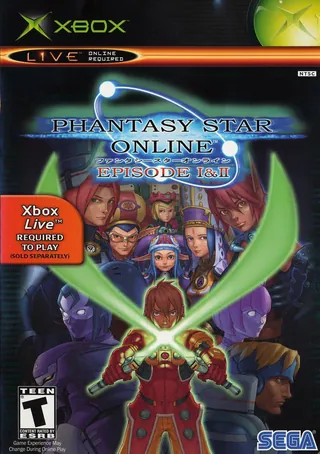
-
-
-
-
-
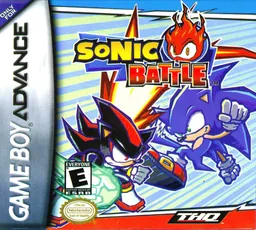
Sonic Battle · 2003
-
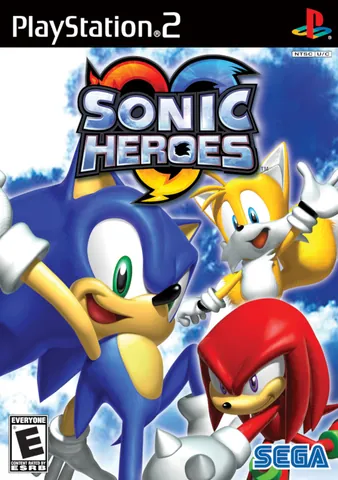
Sonic Heroes · 2003
-
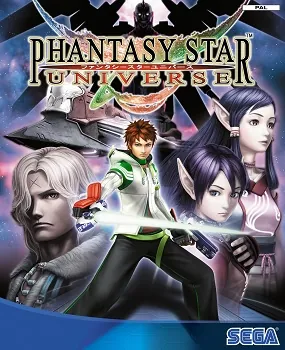
Phantasy Star Universe · 2006
-
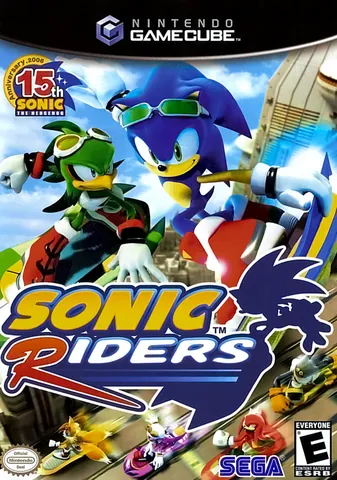
Sonic Riders · 2006
-
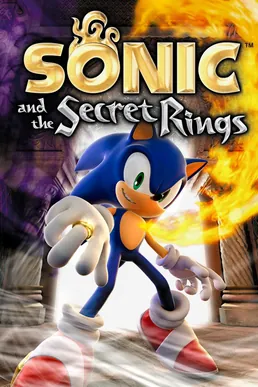
Sonic and the Secret Rings · 2007
-
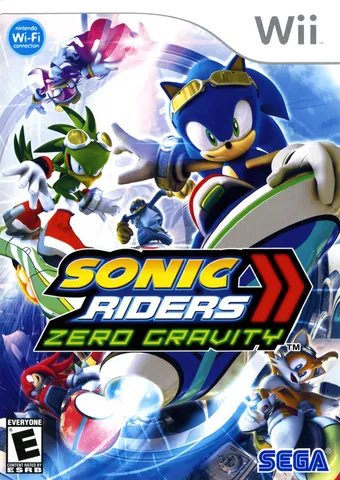
Sonic Riders: Zero Gravity · 2008
-

Sonic Unleashed · 2008
-
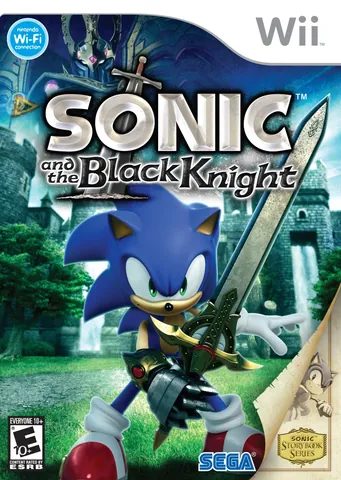
Sonic and the Black Knight · 2009
-
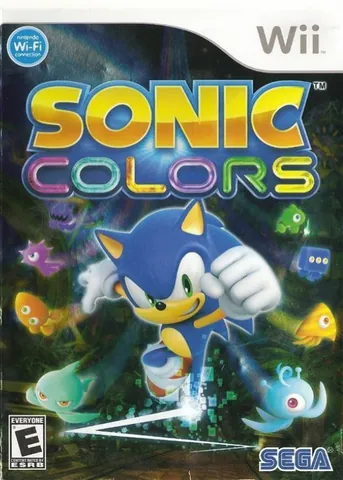
Sonic Colors · 2010
-
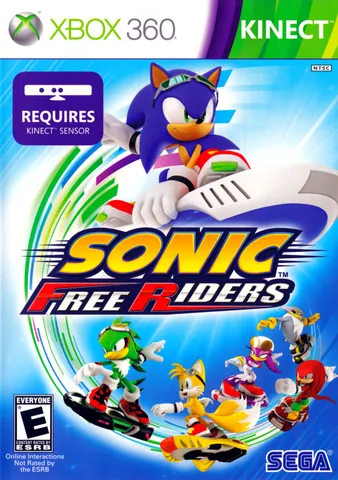
Sonic Free Riders · 2010
-
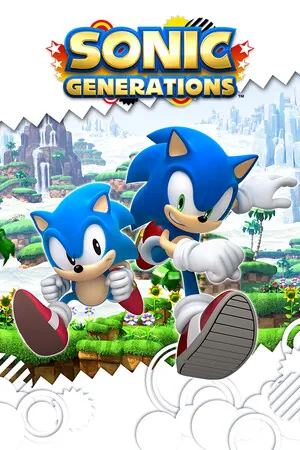
Sonic Generations · 2011
-
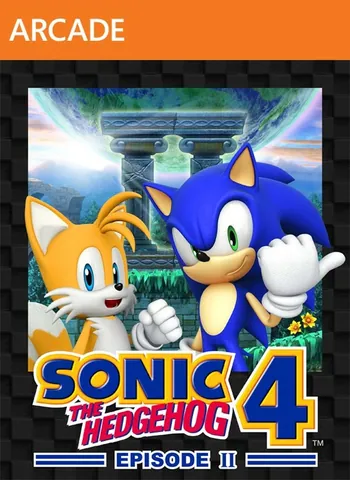
-
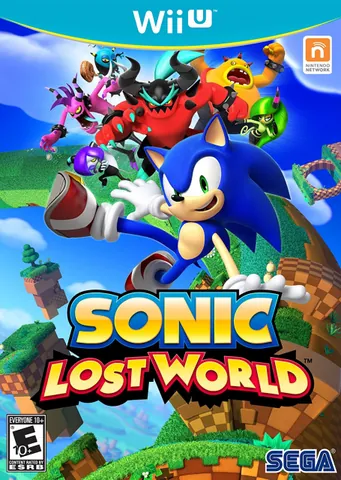
Sonic Lost World · 2013
-
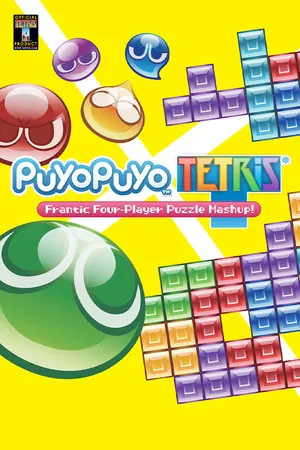
Puyo Puyo Tetris · 2017
-
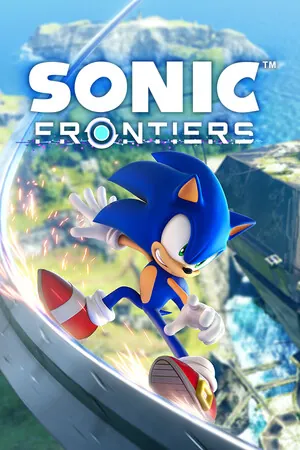
Sonic Frontiers · 2022
-