Game studio
IO Interactive
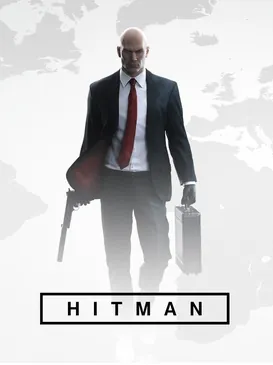
IO Interactive is a Danish studio that gave the gaming world one of the genre's most distinctive characters — a bald hitman with a barcode tattooed on the back of his head. The Hitman series is one of the few that has managed to consistently defend the concept of stealth action built on planning, disguises, and a creative approach to eliminating a target instead of straightforward shooting. Through it, IO Interactive earned a reputation as a studio that knows how to build sprawling, systemically rich levels where players discover dozens of ways to reach their goal on their own.
History
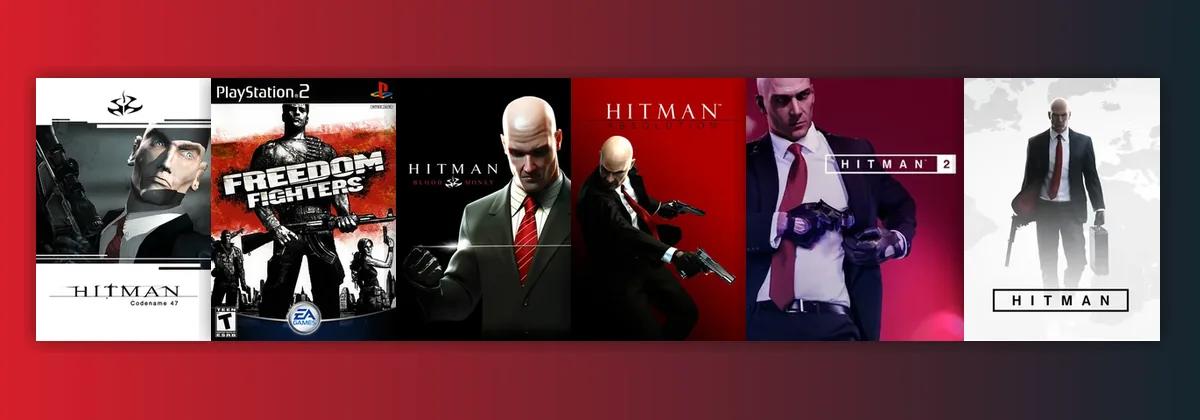
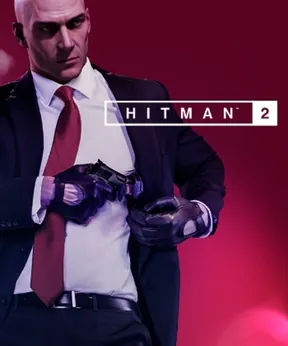
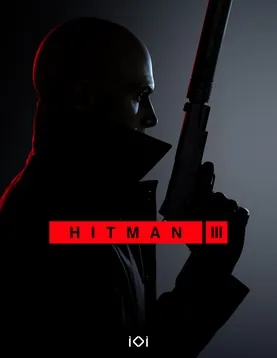
The studio was founded in Denmark and built its identity almost entirely on the Hitman series, which it launched with the first installment, Hitman: Codename 47. This game introduced the series' core idea — the cold-blooded Agent 47, who must reach his target through sprawling, meticulously designed locations, whether through silent elimination, disguise, or engineering a seemingly unfortunate accident. The sequels Hitman 2: Silent Assassin and Hitman: Contracts gradually refined the series and expanded its repertoire of options, while Hitman: Blood Money is still considered one of the high points of the classic era thanks to its elaborate rating of the player's style and nonlinear mission design. In the meantime, IO Interactive also worked on other projects, including the action game Freedom Fighters, though none of them reached the same significance as the flagship series. After Hitman: Absolution, which partially moved away from the traditional stealth approach toward a more linear story, the studio returned to open-ended design with the series reboot simply titled Hitman, released episodically. This approach continued in Hitman 2 and Hitman 3, which together formed the so-called World of Assassination trilogy. Over the years, the studio also underwent changes in ownership structure, at one point becoming independent from its then-publisher and gaining greater control over its own brand and future direction. The episodic release model of the Hitman reboot, with individual locations rolled out gradually over the course of a year, was an unusual step for a major action series at the time. This approach, combined with an emphasis on mission replayability and the variety of paths to the same goal, became a hallmark of the series' modern era and set it apart from other action titles built on linear forward progression.
Key figures
IO Interactive's modern direction is closely tied to CEO Hakan Abrak, who led the studio during the period when it broke away from its then-publisher and became an independent, employee-owned company. It was precisely this independence that allowed the studio to retain long-term control over the Hitman brand and decide its future direction on its own, without the direct influence of a major publishing house. Names from the studio's earliest history in the nineties, however, changed so much over the decades that it would be risky to track them down and list them without certainty.
Today
Today, IO Interactive continues to develop the World of Assassination universe, a unified release that brings together the previous Hitman installments under one platform and is complemented by ongoing new content for modern consoles and PC. At the same time, the studio is trying to expand its portfolio beyond its best-known brand and is venturing into new projects outside the world of the hitman, though Hitman remains its main, most prominent, and commercially most important project. Thanks to its independence, IO Interactive can set its own pace for releasing new content and decide which direction its work will take next, making it one of the few major stealth studios to have retained authorial control over its most significant series.
Games by the studio (16)
-
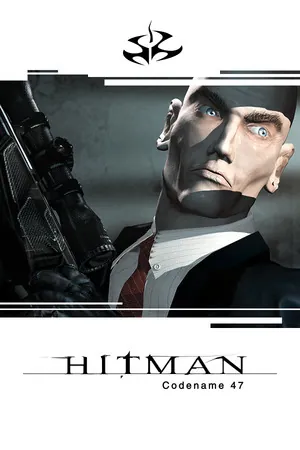
Hitman: Codename 47 · 2000
-
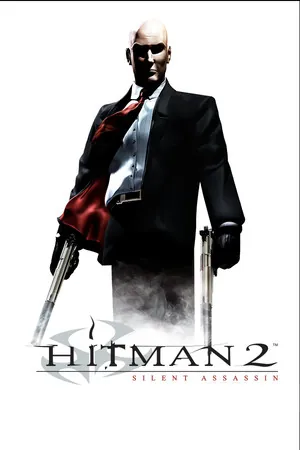
Hitman 2: Silent Assassin · 2002
-
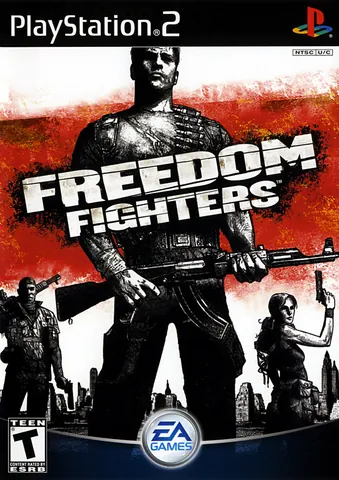
Freedom Fighters · 2003
-
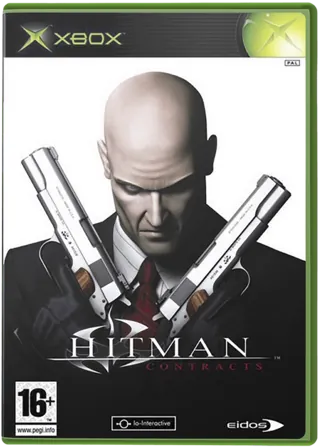
Hitman: Contracts · 2004
-
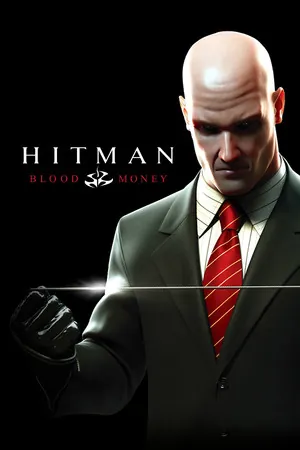
Hitman: Blood Money · 2006
-
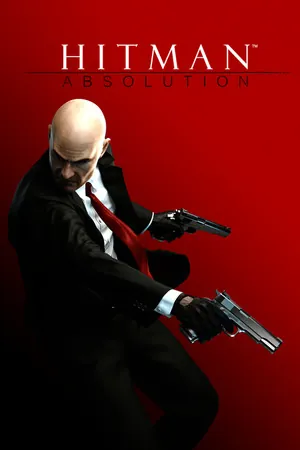
Hitman: Absolution · 2012
- PS4
-
-
-