Franchises
Hitman
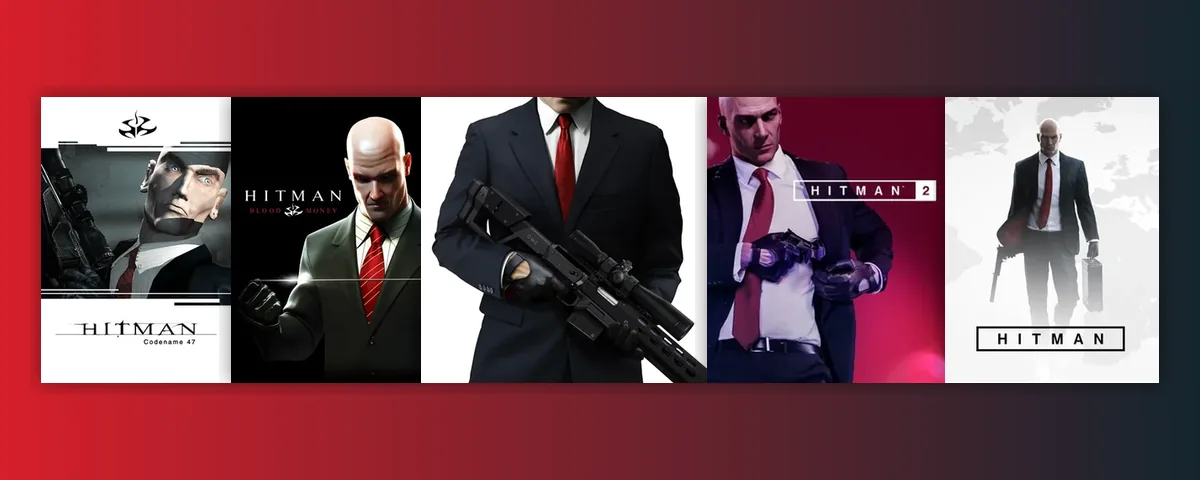
Hitman: Codename 47, released in 2000 by the Danish studio IO Interactive, launched a series about a cloned contract killer known as Agent 47 - a bald man with a barcode tattooed on the back of his head who infiltrates sprawling sandbox levels to quietly remove a marked target. From the start, the gameplay rested on disguises and so-called social stealth, where enemies ignore you as long as you behave according to the role you're playing, alongside silent tools of the trade like the garrote wire or the signature twin Silverballer pistols. Hitman 2: Silent Assassin, in 2002, sharpened these systems and cemented several of them, including a stealth-based player rating, as series standards. Agent 47 was created by a secret program as a genetically enhanced assassin, a premise that became one of the recurring threads running through the series' story.
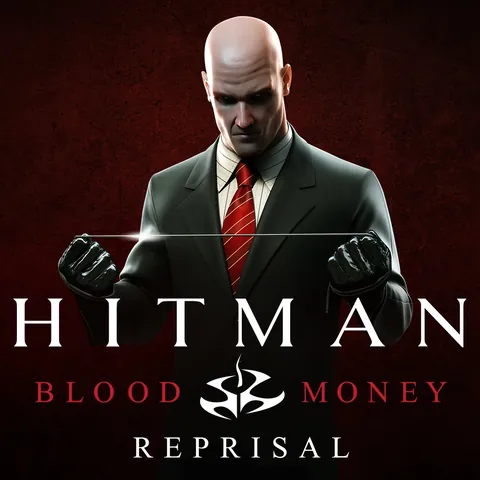
Hitman: Contracts, in 2004, reworked several missions from the first game into a darker, more noir-tinged form, while Hitman: Blood Money, in 2006, is often cited as the peak of the series' classic era - it introduced an emphasis on kills disguised as accidents, a notoriety system that grew with the traces left at a crime scene, and a more detailed overview of each target. A long gap followed Blood Money, and the series returned in 2012 with Hitman: Absolution, which shifted toward more linear, cinematic storytelling and an Instinct mechanic that made spotting enemies easier, a change that drew a mixed reaction from part of the fanbase. Hitman: Absolution's marketing was also accompanied by a trailer depicting an attack on a group of nuns, which drew sharp criticism for its depiction of violence against women and became one of the most debated marketing moves in the series' history.
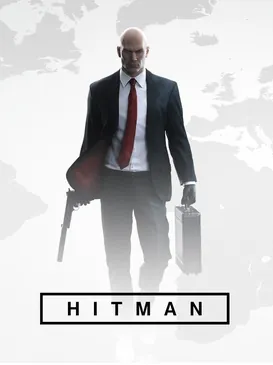
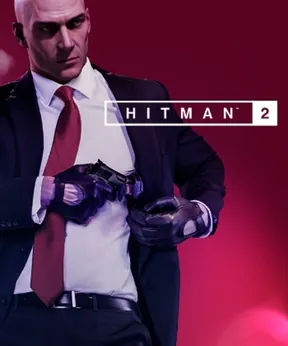
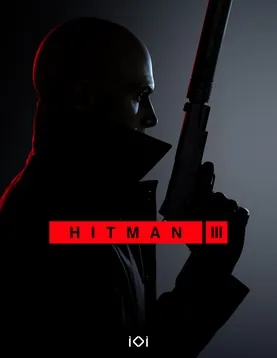
A major turning point came with the series' reboot, which IO Interactive released episodically from 2016 under the plain title Hitman after the studio split off from publisher Square Enix. Sprawling, densely populated levels such as Paris, Sapienza and Marrakesh, live-service elements like the time-limited Elusive Targets, and a renewed emphasis on freedom in completing objectives were received as a genuine return to the series' roots. Hitman 2, in 2018, and Hitman 3, in 2021, continued in the same spirit and, together with the first game, formed the so-called World of Assassination trilogy, which Hitman 3 later merged into a single package containing every location and added virtual reality support. Hitman (2016) included a mission set in a private hospital on the Japanese island of Hokkaido, while Hitman 2 added the competitive two-player Ghost Mode, in which both players independently tackle the same contract and try to complete it faster than their opponent.
Alongside the main line came mobile spin-offs - the puzzle game Hitman GO translated the principle of contract killing into a turn-based strategy game on small diorama boards, and Hitman: Sniper offered touch-controlled sniping encounters, both extending the brand beyond classic consoles and PC. After completing the World of Assassination trilogy, IO Interactive added the live Freelancer mode with procedurally generated contracts, and Hitman today remains one of the few stealth series to survive the shift from classic game design to a live-service model without abandoning its core principle: one large level, one target, and dozens of ways to complete the job. From the start, the series has been anchored by the fictional International Contract Agency, or ICA, on whose behalf Agent 47 takes his contracts, and the tension between loyalty to the agency and the protagonist's personal ties runs through every entry.
Entries in the series (12)
-
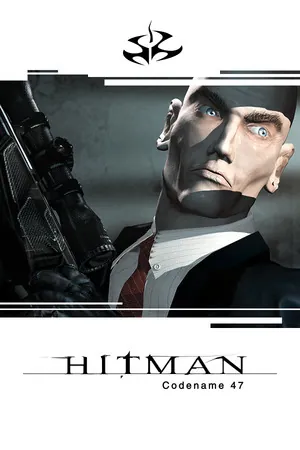
Hitman: Codename 47 · 2000
-
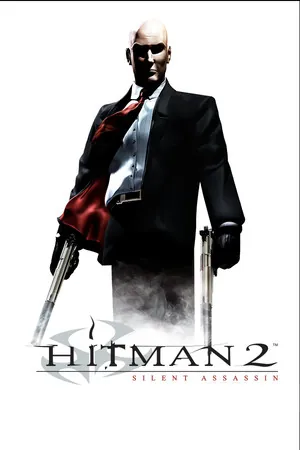
Hitman 2: Silent Assassin · 2002
-
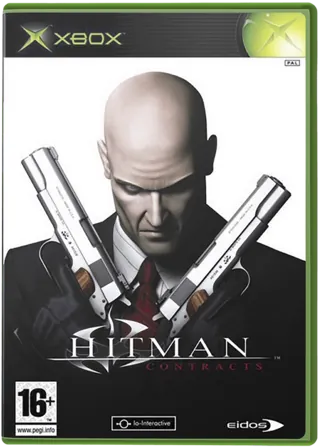
Hitman: Contracts · 2004
-
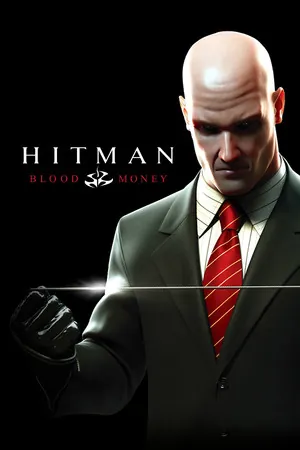
Hitman: Blood Money · 2006
-
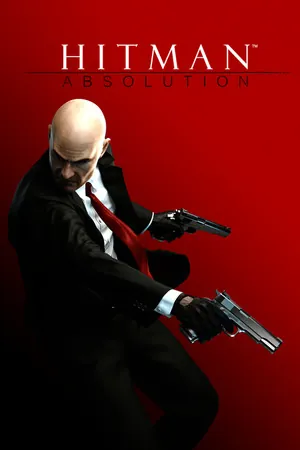
Hitman: Absolution · 2012
-

-

Hitman Sniper · 2015
- PS4
-
-
-
-