Franchises
Gradius
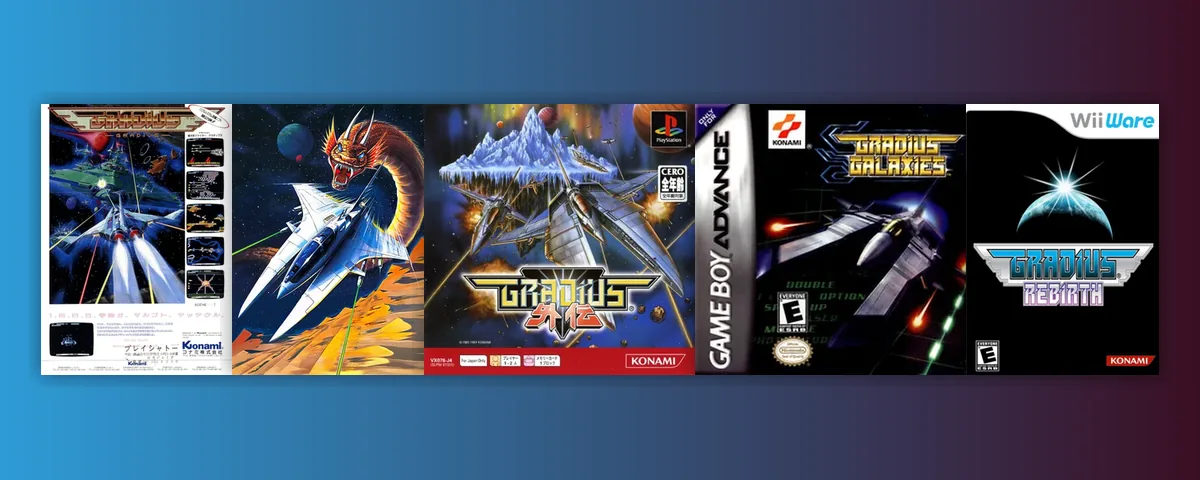
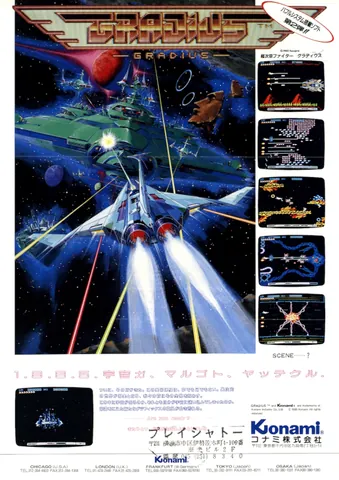
Gradius began in 1985 as an arcade space shooter from Konami - released under that name in Japan and as Nemesis in North American arcades. Piloting the Vic Viper, the player fights through waves of enemies moving left to right, and the game set itself apart from rival shooters with a capsule-collecting system that fills an upgrade gauge. Players choose how to spend accumulated points among speed, shields, missiles, lasers, or the trailing Option pods that mirror the ship's movement. That tension between grabbing an upgrade now or holding out for a stronger combo, paired with punishing difficulty, became the series' defining trait. Adding to the cruelty, losing a life stripped the ship of every collected upgrade and reset it to its bare, defenseless form, so a single mistake could decide the outcome of an entire run.
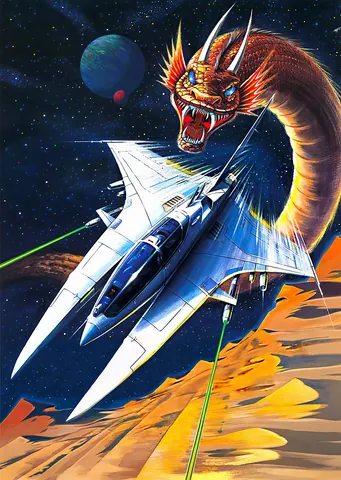
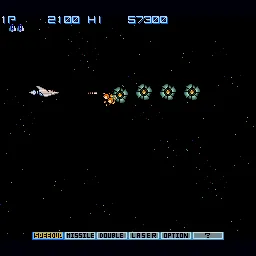
Sequels kept the same skeleton while giving each entry its own character. Gradius II (1988) picked up the pace, added weapons such as the Ripple Laser, and widened the upgrade choices. Gradius III (1989) became notorious for brutal difficulty and, on the original arcade board, for the famous slowdown that kicked in whenever too many enemies and bullets filled the screen; the later SNES port addressed some of that slowdown but introduced its own graphical and pacing compromises and trimmed content found in the arcade version. The Famicom/NES Gradius (1986) toned down the arcade's difficulty, while the MSX branch, released as Nemesis and Nemesis 2, went its own way with original stages never seen in arcades.
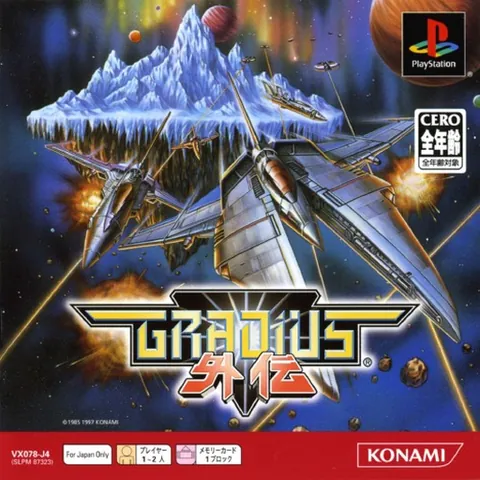
Alongside the main line, a family of spin-offs grew up around it. Salamander, released in the West as Life Force (1986), moved the action into organic, biomechanical settings and added simultaneous two-player co-op; the American localization also swapped some of the rawer organic imagery for more mechanical designs and added the Vic Viper as a selectable second ship, tying it back to the main series. A lighter, parody take on the same weapon system became the Parodius series, swapping warships for cute characters, later followed by Otomedius. Gradius Gaiden (1997) for PlayStation stayed a Japan-only release for years despite being prized by fans for its balanced design and thoughtful weapon loadouts.
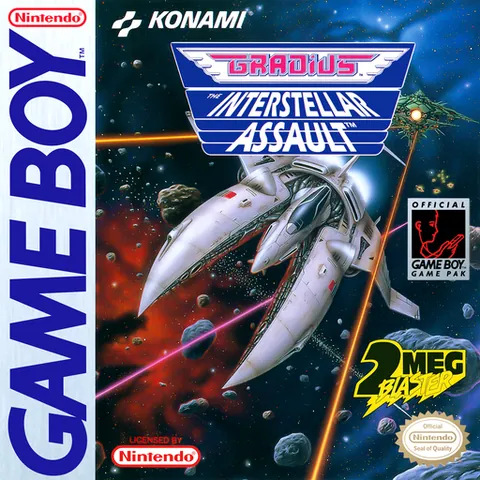
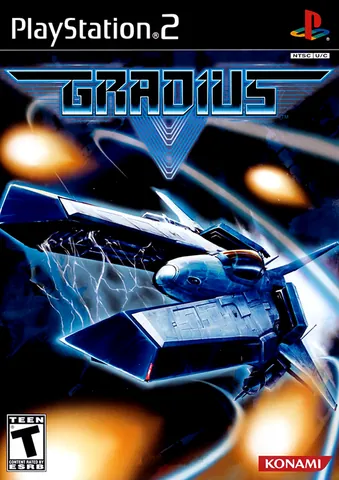
Later generations brought Gradius IV (1999) and, above all, Gradius V (2004) for PS2, co-developed with studio Treasure - a game many fans still consider the series' peak thanks to level design that pairs classic hard-edged difficulty with modern visuals and a smoother pace. Portable compilations like Gradius Collection on PSP or Gradius Galaxies and Gradius Advance on Game Boy Advance kept introducing the series to new players outside Japan as well. In 2008, the WiiWare title Gradius ReBirth symbolically returned to the series' pixel-art roots, pairing period-accurate sprites with a new engine for players craving the classic style of play.
Gradius left a lasting mark on the genre. The legendary "Konami Code" (up, up, down, down, left, right, left, right, B, A) first appeared in the NES version as a mercy for players facing an otherwise unforgiving shooter, and it went on to become one of gaming's best-known easter eggs. The optional upgrade system and the Option formation influenced many later horizontal shooters, even though after the 2000s the series received full new entries only rarely and lived on mostly through compilations and ports.
Entries in the series (12)
-
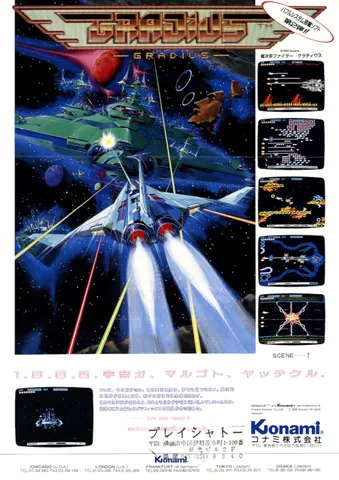
Gradius / Salamander · 1979
-
-
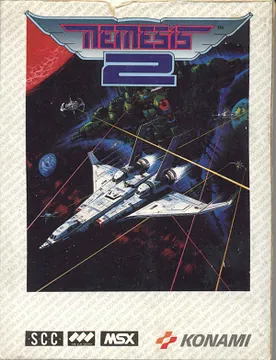
Nemesis 2 / Gradius 2 · 1987
-
Gradius III · 1989
-
Gradius II · 1992
-
-
Gradius Gaiden · 1997
-
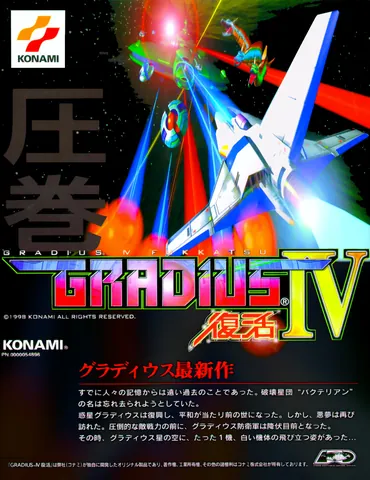
Gradius IV: Fukkatsu · 1999
-
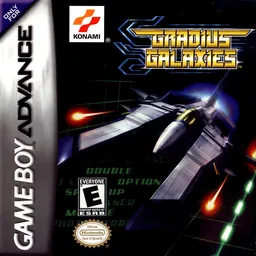
Gradius Galaxies · 2001
-
-
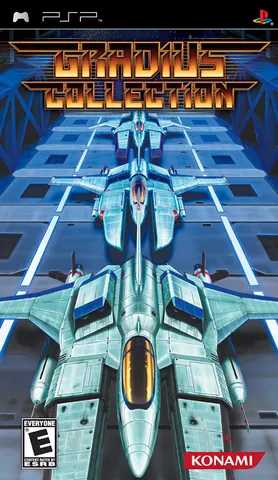
Gradius Collection · 2006
-
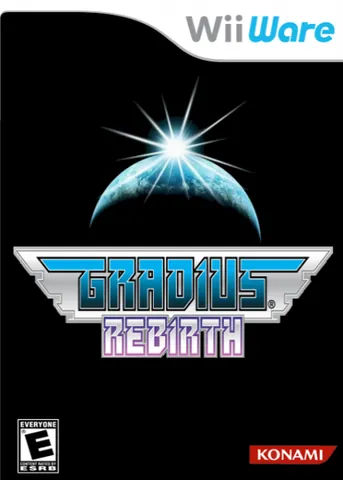
Gradius ReBirth · 2008