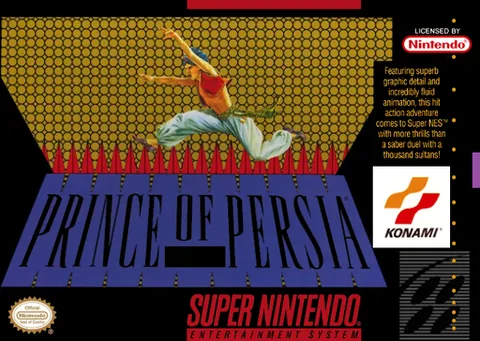
Prince of Persia
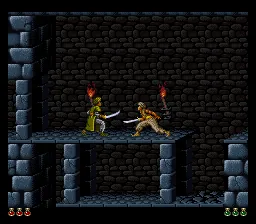
The sand in the hourglass drains away relentlessly, and you have exactly one hour to fight your way through treacherous dungeons, rescue the princess, and overthrow the evil vizier Jaffar. Prince of Persia on the Super Nintendo is a polished console version of the game that forever changed the idea of what character movement in a platformer could look like.
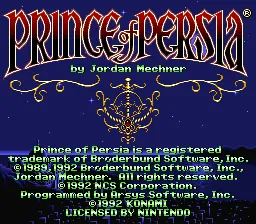
The original was created by Jordan Mechner and first appeared on the Apple II computer in the late eighties. Mechner used rotoscoping, filming his brother's movements and animating the hero from the footage, so that running, jumps, and falls looked unusually fluid and realistic. The SNES version took that fluidity up a notch, adding more colorful graphics, new levels, and improved sound, making it one of the best console conversions of the entire series.
The gameplay rests on a combination of precise platforming and sword fights. Every jump must be timed, because floors collapse, spikes lurk, and blades spring out. The fights require a feel for attack and parry, not frantic button-mashing. All of this under the pressure of a time limit that turns the game into a tense race against your own memory and dexterity.
Prince of Persia had a fundamental influence on the entire cinematic platformer genre, and its rotoscoped animation inspired a host of later games. The brand later grew into the sprawling 3D series The Sands of Time by Ubisoft, which breathed new life into the genre in the modern era, but the roots of it all lie in these tense two-dimensional dungeons.
The console version for the SNES is still beloved today precisely for its expanded content and its refined feel of control. It is a title that rewards patience, memorization, and precision, and where every successful jump brings a small victory.
Why play: A model example of the cinematic platformer with timelessly fluid animation and tension that grips your heart to this day.
Game 60 of 154 for Super Nintendo
The same title elsewhere (7)
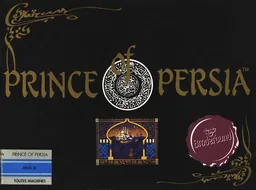
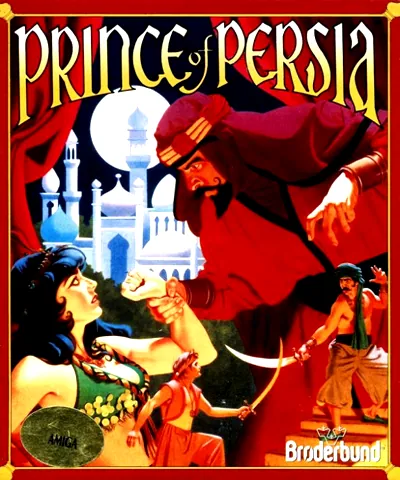
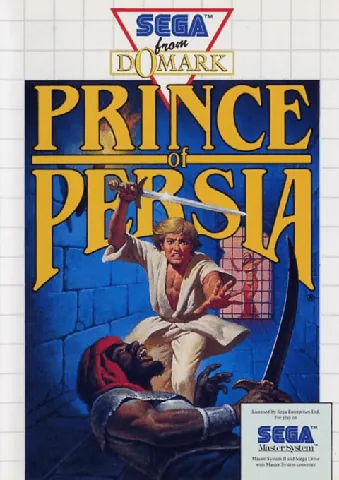
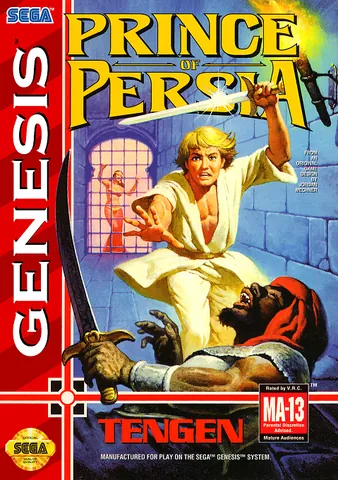
The Amiga and Atari ST offered the smoothest animation, staying closest to Jordan Mechner's original Apple II code and preserving the famous rotoscoped running and jumping. Super Nintendo received reworked 16-bit graphics plus scenes and content missing from the original, so it's often ranked among the best versions overall. The NES version was a separate rework by another team and diverges noticeably from the computer original in look and feel. On Commodore 64 and Amstrad CPC, developers had to cut animation frames due to weaker processors, making the prince's movement feel choppier than on 16-bit machines. Game Boy offered only a monochrome screen and lower resolution, but the core game held up. SEGA Master System delivered a colorful, playable conversion with its own graphical style.
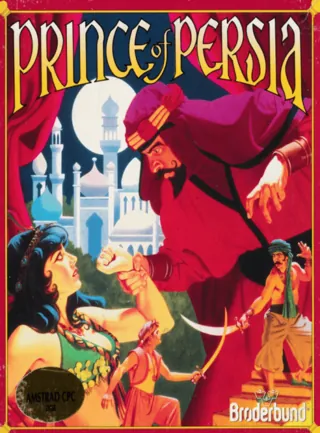
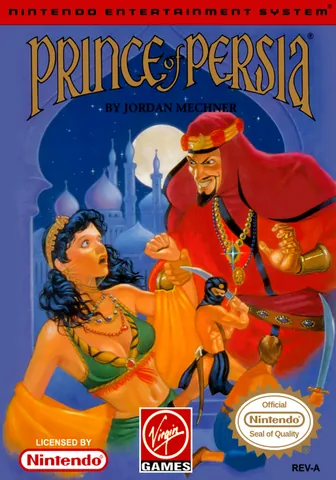
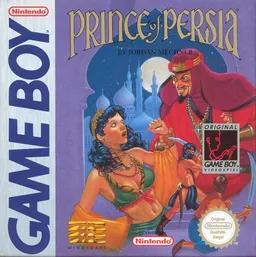
From the same series Prince of Persia →
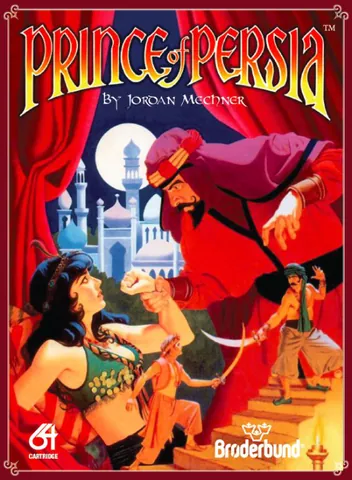 Prince of Persia C64 · X360 · PS3 · PC
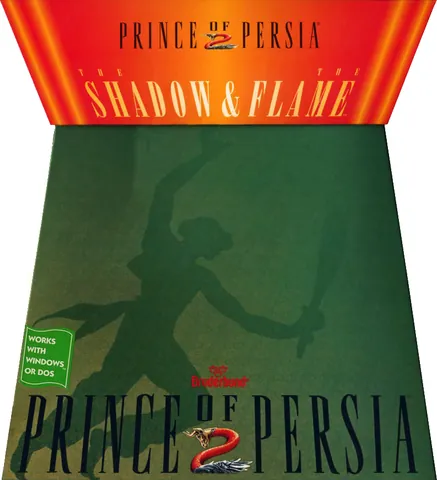 Prince of Persia 2: The Shadow and the Flame DOS · 1993
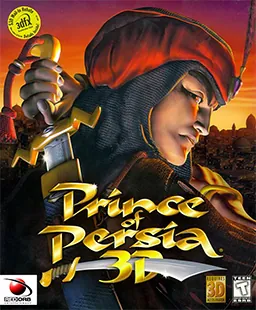 Prince of Persia 3D Win9x · 1999
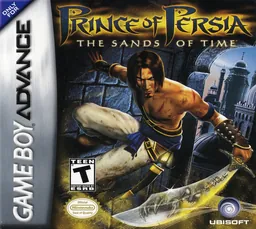 Prince of Persia: The Sands of Time GBA · PS2 · GCN · Xbox · 2003 Java ME Prince of Persia: Harem Adventures Java ME · 2003
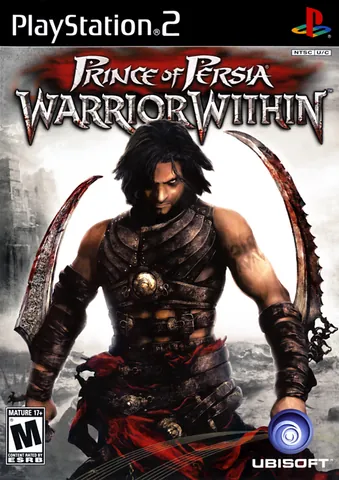 Prince of Persia: Warrior Within PS2 · Xbox · 2004
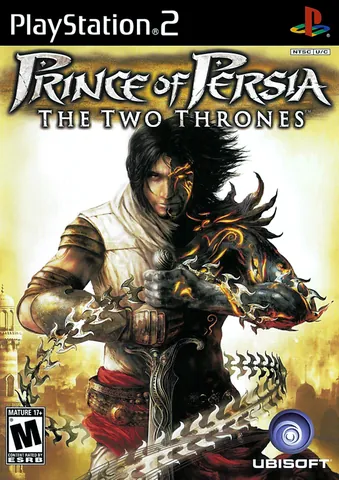 Prince of Persia: The Two Thrones PS2 · GCN · Xbox · PC · 2005
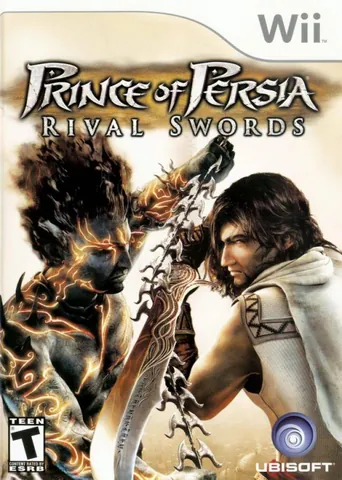 Prince of Persia: Rival Swords Wii · 2008
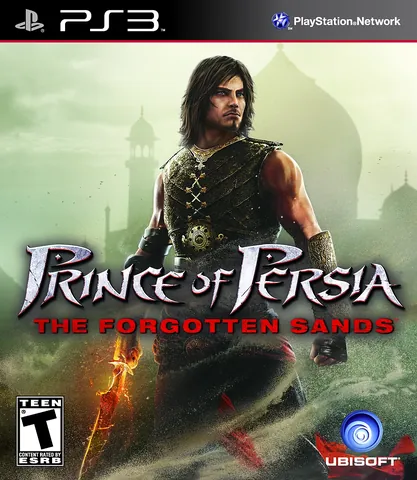 Prince of Persia: The Forgotten Sands PS3 · 2010
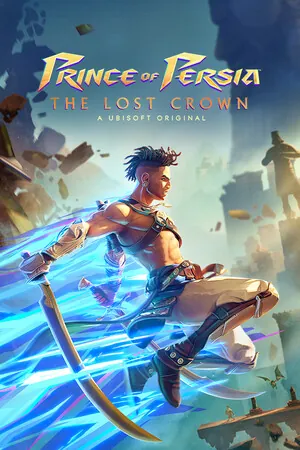 Prince of Persia: The Lost Crown PS5 · Series · 2024