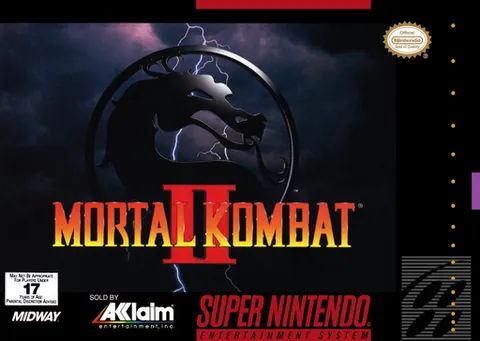
Mortal Kombat II
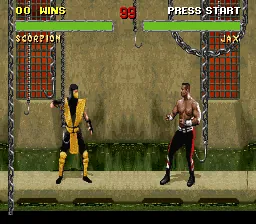
When Mortal Kombat II moved from the arcades to home consoles in 1994, tension ran high. The previous installment had suffered humiliating censorship on the Super Nintendo, blood was turned into sweat, and the game lost commercially to the bloody Mega Drive version. But with the sequel the tables turned, and Nintendo learned from the mistake that had cost it both reputation and revenue.
The Mortal Kombat II version for the Super Nintendo now included blood. After a wave of criticism and the creation of the ESRB rating system, Nintendo relaxed its strict policy and allowed the game to be released faithful to the arcade original. Players finally got an uncensored experience on the powerful console, with spurting blood and complete fatalities — an enormous leap and a satisfaction compared to the embarrassment of the first game.
And it was the technical power of the Super Nintendo that shone here. The conversion was among the most faithful the home systems offered. Large digitized sprites, rich colors, and decently preserved sound made this cartridge one of the technically most impressive fighting games on the console. The game faithfully carried over the expanded roster, the new fatalities, Babalities and Friendships, and all the secrets for which the sequel was so loved.
In development terms the conversion was overseen by Acclaim, and the whole situation perfectly illustrates how quickly the market changed. Within a single year, the censorship that had sunk the game commercially became a thing of the past, and blood became the standard, albeit newly fitted with a rating label. Mortal Kombat II on the SNES thus symbolizes the victory of player demand and the beginning of an era in which more mature content earned a legitimate place on consoles.
Culturally it was one of the defining experiences of the late Super Nintendo era. Couch battles against a friend, discovering hidden fighters, and pulling off fatalities were among the highlights of console gaming in the mid-nineties. The cartridge became one of the must-have titles and is today a beloved piece among collectors.
Compared to the competing Mega Drive version, this time it was the SNES that came out on top. The Super Nintendo's more powerful graphics hardware offered a richer color palette and cleaner digitized sprites, so the characters and backdrops looked more detailed and overall more faithful to the arcade original. Whereas with the first installment the winner was decided by censorship, with the sequel — where blood now flowed on both platforms — it was pure technical quality that decided, and there the SNES fared better. For players it was a one-hundred-eighty-degree turnaround from the situation of the previous year.
Compared to the first, censored version, SNES Mortal Kombat II represents the righting of a wrong. It is proof that players eventually got what they wanted, and that even conservative Nintendo had to yield to the reality of the market and the changing expectations of an audience maturing alongside its favorite medium.
Why play: A faithful and this time uncensored conversion of the great sequel, technically impressive and with the blood and fatalities just as they were always meant to be.
Game 59 of 154 for Super Nintendo
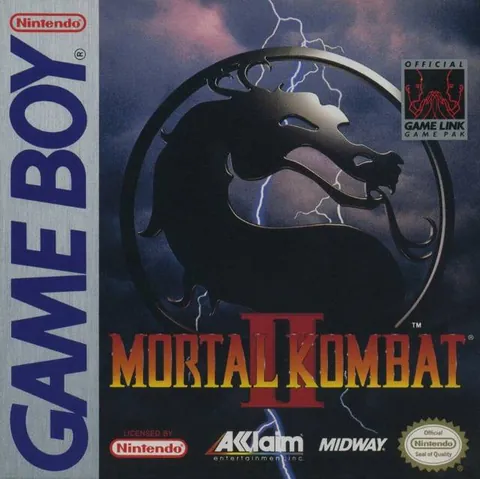
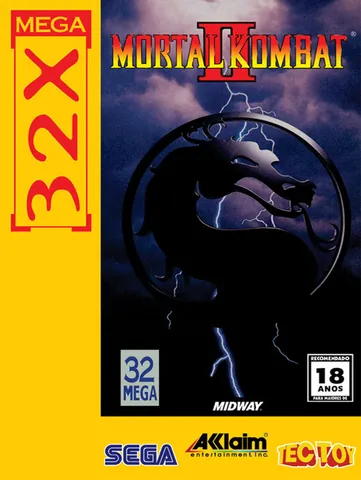
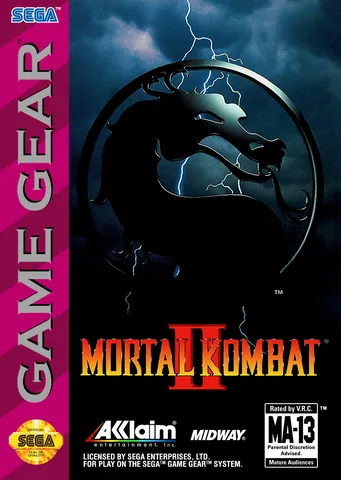
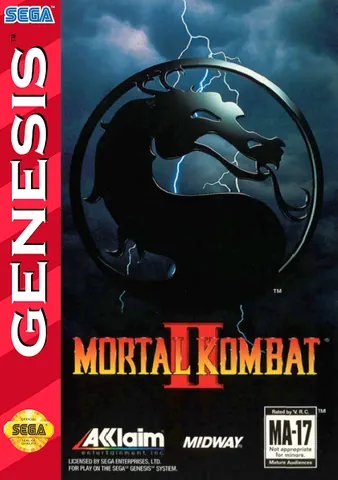
The same title elsewhere (5)
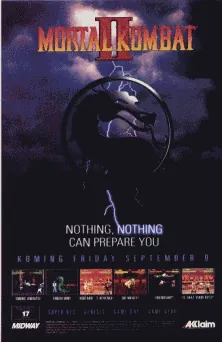
From the same series Mortal Kombat →
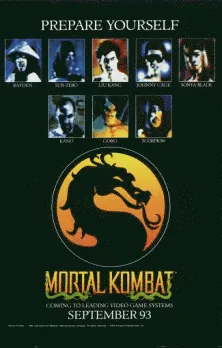 Mortal Kombat MAME · GB · SNES · MD · GG · Amiga · SMS · Vita · 1992
 Mortal Kombat 3 MAME · 1995
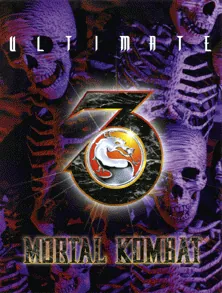 Ultimate Mortal Kombat 3 MAME · 1995
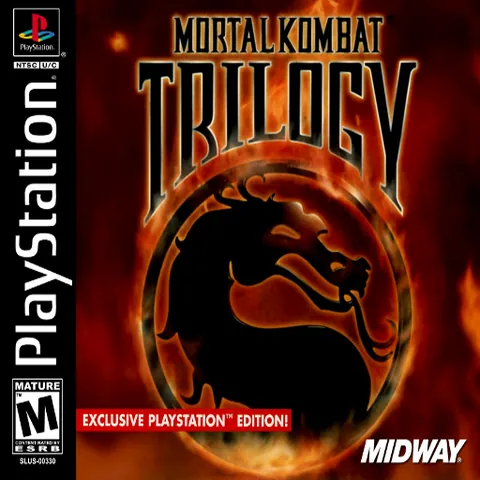 Mortal Kombat Trilogy PS1 · N64 · 1996
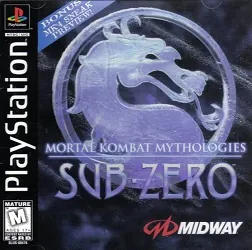 Mortal Kombat Mythologies: Sub-Zero PS1 · 1997
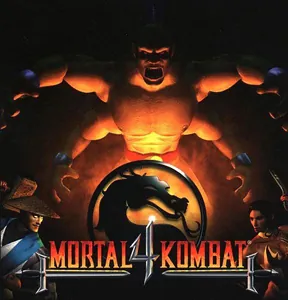 Mortal Kombat 4 MAME · 1997
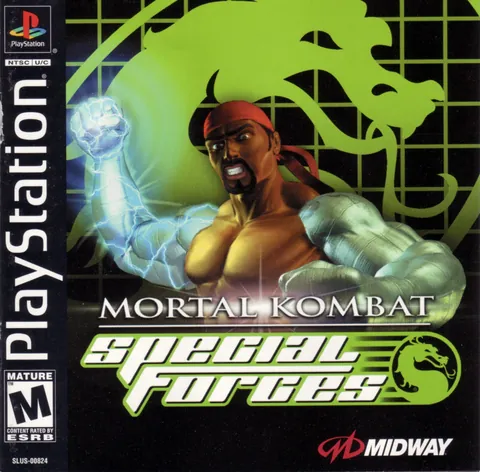 Mortal Kombat: Special Forces PS1 · 2000
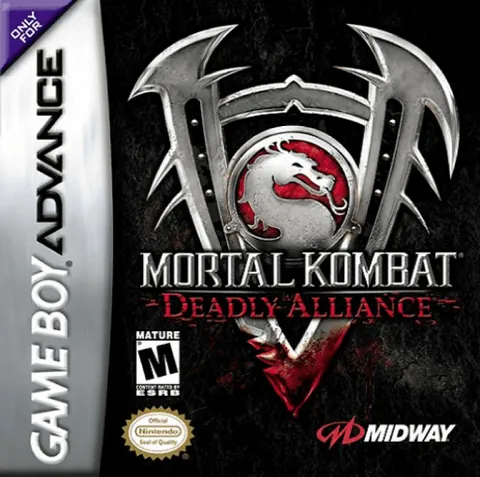 Mortal Kombat: Deadly Alliance GBA · Xbox · 2002
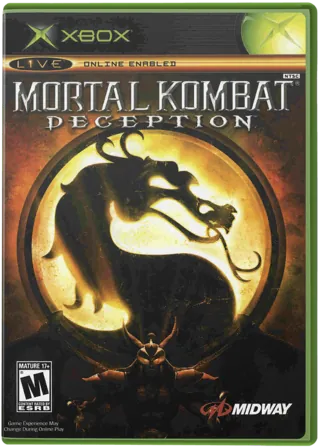 Mortal Kombat: Deception Xbox · 2004
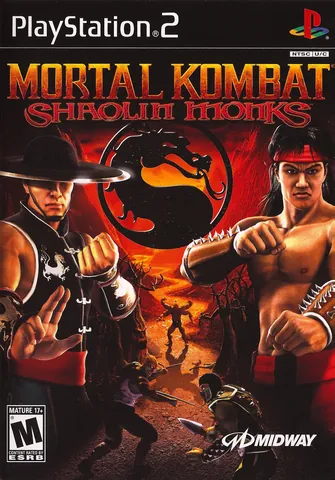 Mortal Kombat: Shaolin Monks PS2 · 2005
 Mortal Kombat: Armageddon PS2 · 2006
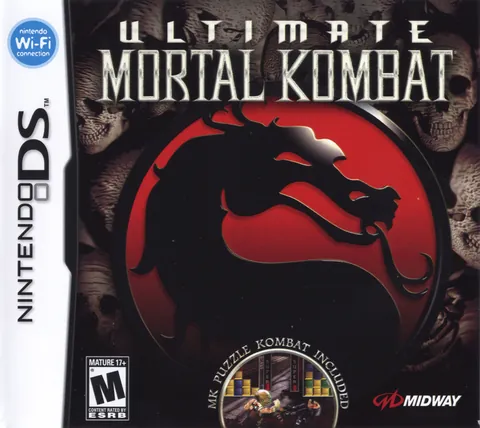 Ultimate Mortal Kombat DS · 2007