Tetris
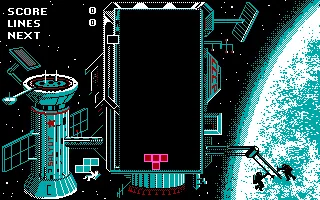
Tetris is one of the few games that needs no explanation at all. Seven possible shapes made of four squares fall from above, the player rotates and shifts them sideways, and tries to stack them so that they form complete rows. Every filled row disappears, the rest shift down, and another piece is already on its way. The game has no ending, only increasing speed and an inevitable loss, which makes it a pure contest against one's own attention. Its apparent simplicity hides surprising depth: an experienced player deliberately leaves a column open for the long bar piece, plans ahead using the preview of the next piece, and calculates how many mistakes they can still afford before the stack reaches the ceiling.
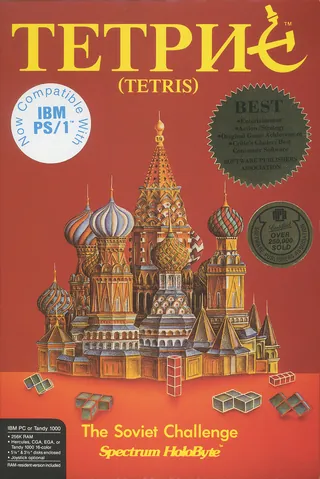
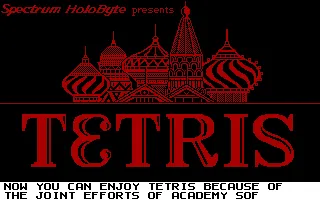
On PC, the game arrived in a version published under the Spectrum HoloByte label, and it was a title that could be run on literally anything. Its modest requirements meant it ran on both CGA and EGA cards found in ordinary office machines, which earned it a reputation as the most widely spread game in the world. Sound was initially handled only by the internal PC speaker; sound card support came later, bringing with it arrangements of Russian folk melodies that became forever linked to the game. The visual framing, drawing on motifs of Soviet architecture and folklore, was unusual for the Western market of the time and gave the game an exotic flavor that feels almost touching today.
The original idea came from Alexey Pajitnov, who wrote the game in Moscow in the mid-1980s, and the disputes over its licensing rights are among the most famous stories in the games industry. Its influence on the genre is immeasurable: practically every game where something is stacked, arranged, or vanishes once a complete group forms stands on its foundations. Today there are hundreds of variants with richer graphics and competitive modes, but the DOS version still has its own charm. It's a game you can start for five minutes and walk away from an hour later, and its ability to pull players in hasn't dulled in the slightest over the decades.
Game 91 of 204 for PC / DOS (XT až 486)
The same title elsewhere (3)
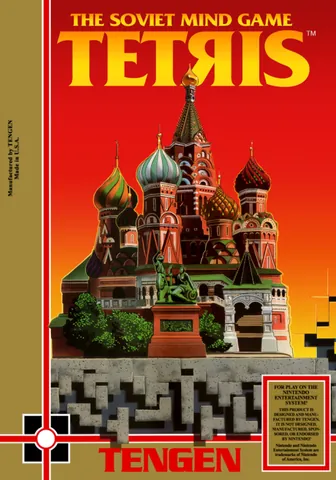
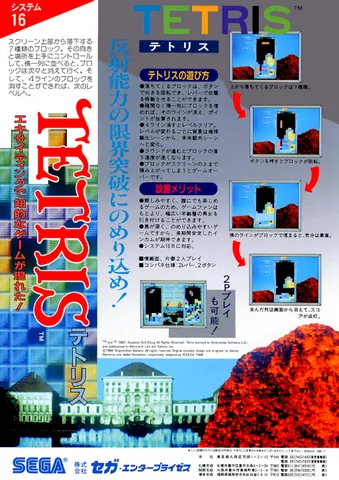
Sega's arcade version was built for coin-op hardware and leaned on fast pace, bold colours, and the head-to-head two-player mode typical of the format. The version Nintendo released for the NES instead bet on simplicity and became iconic largely thanks to its unmistakable rendition of the Russian folk tune Korobeiniki, which is now inseparable from Tetris for most people. The NES version's graphics are plainer and focused on keeping the playing field clear, while the arcade version aimed at quick fun in the arcades. Anyone after the most iconic, catchiest experience should pick the NES version; anyone wanting a taste of the arcade atmosphere should go for the arcade one.
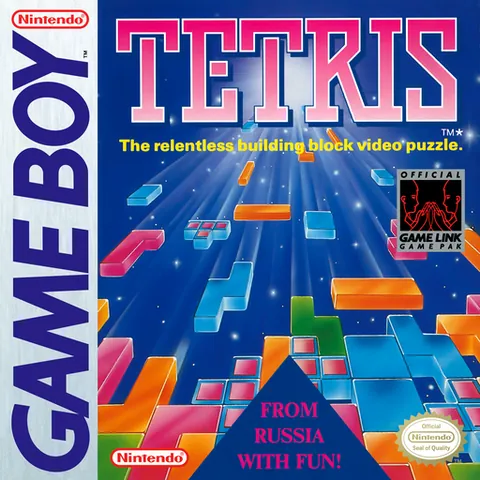
From the same series Tetris →
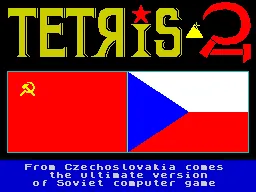 Tetris 2 ZX · 1990
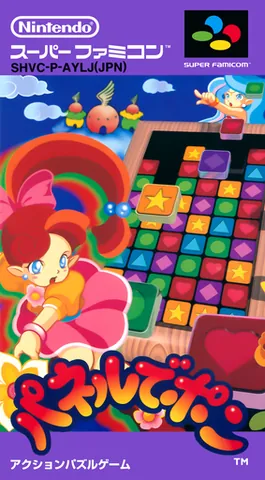 Tetris Attack / Panel de Pon SNES · 1995
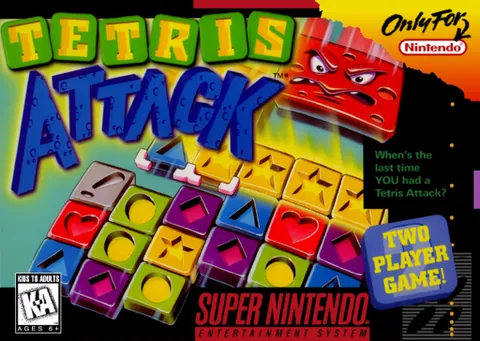 Tetris Attack SNES · GB · 1995
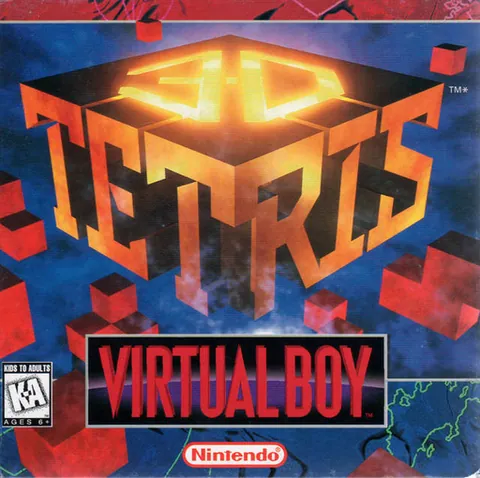 3-D Tetris VB · 1996
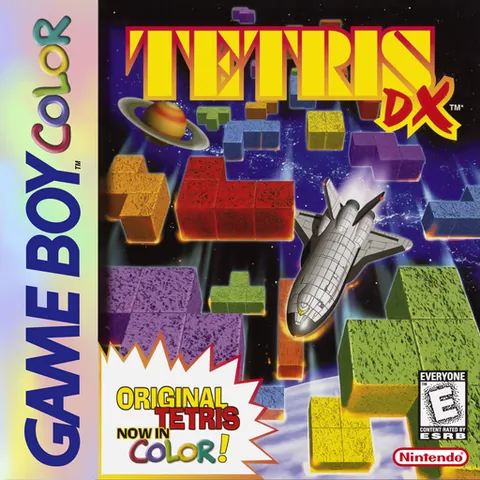 Tetris DX GBC · 1998
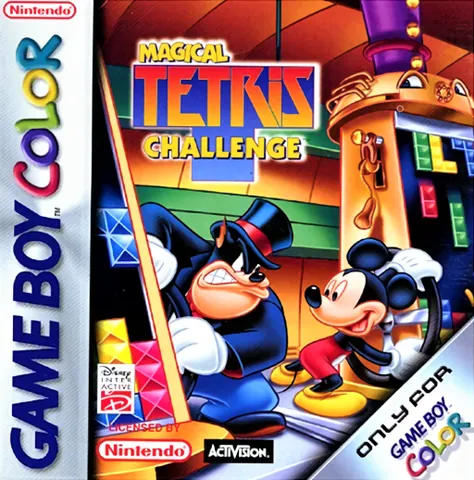 Magical Tetris Challenge GBC · PS1 · 1998
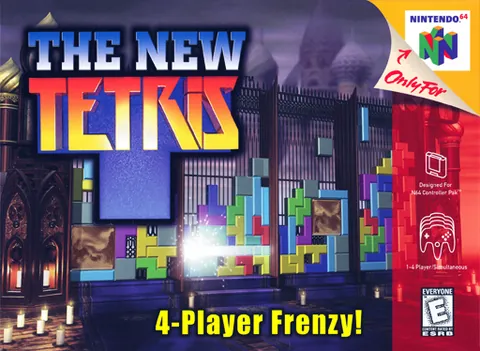 The New Tetris N64 · 1999
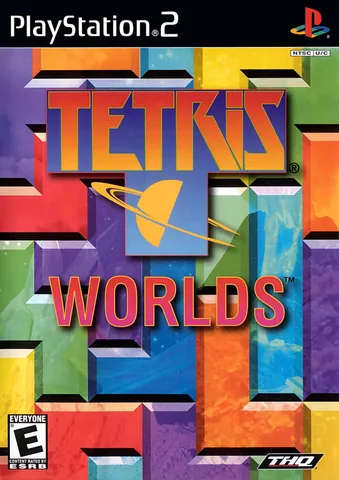 Tetris Worlds PS2 · 2001 Java ME Tetris Java ME · 2001
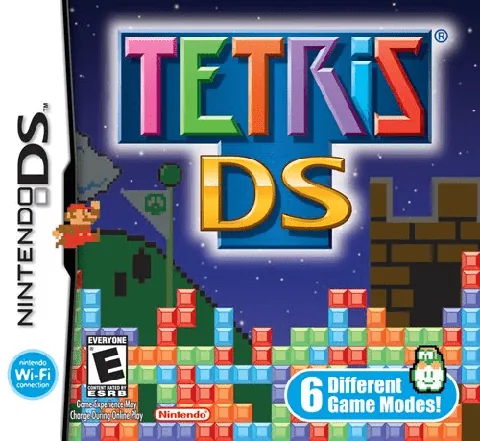 Tetris DS DS · 2006
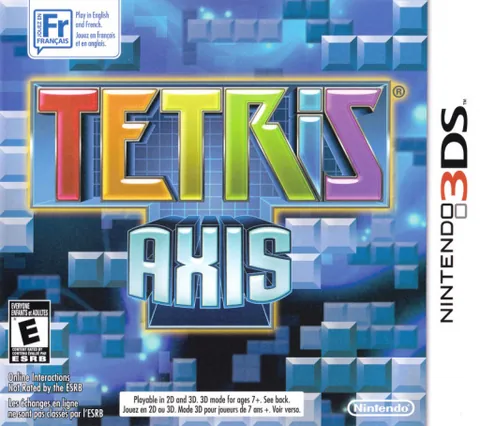 Tetris Axis 3DS · 2011
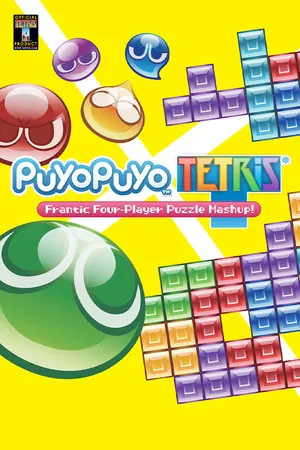 Puyo Puyo Tetris Switch · 2017