Franchises
Tetris
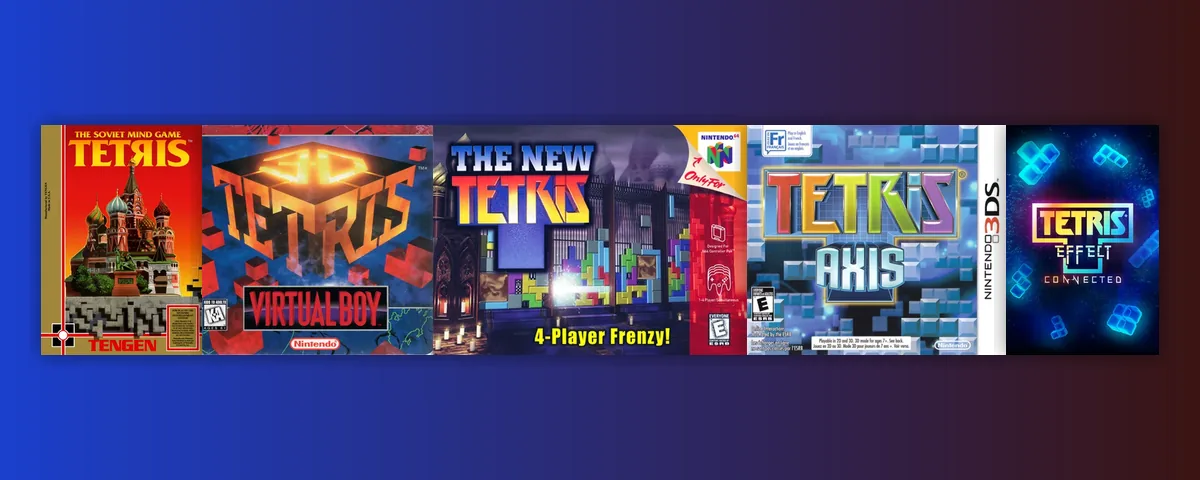
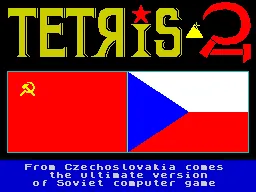
Tetris was created in 1984 at the Computing Centre of the Soviet Academy of Sciences in Moscow, where Alexey Pajitnov programmed it. It grew out of the idea of falling-piece puzzles: the player arranges descending tetrominoes so that rows fill up without gaps, and completed lines disappear. The concept was almost trivially easy to grasp yet practically endless to play, and that combination became the template for the entire falling-block puzzle genre. Pajitnov's original version ran on a Soviet Elektronika 60 computer in plain text mode; it was his colleague Vadim Gerasimov who later ported it to IBM PC-compatible machines, giving it a first real visual form closer to what we know today. Long before it saw any official Western release, the game kept spreading on copied floppy disks among Soviet programmers and gradually made its way beyond the USSR's borders.
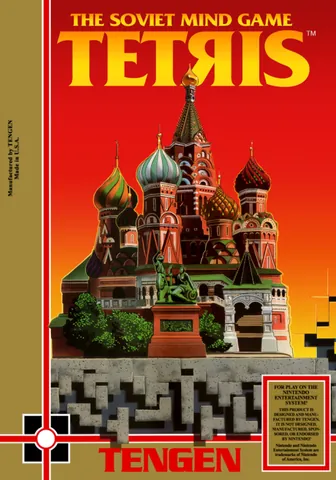
Tetris's journey west became tangled in one of the most notorious licensing battles in video game history. Mirrorsoft and Spectrum Holobyte fought over home-computer rights, including the PC-DOS version, Atari Games' Tengen division wanted the arcade and NES rights, and Nintendo wanted the game for its handhelds. Matters were complicated further by the arcade rights being split by region: Sega published the arcade cabinet in Japan and parts of the international market, while Atari Games held the licence for North America. The decisive moment came when Henk Rogers travelled to Moscow and negotiated directly with the Soviet trade organisation Elektronorgtechnica (Elorg), securing the handheld rights for Nintendo - a decision that set the game on its path to mass popularity.
The Tetris cartridge bundled with the Game Boy in 1989 was one of the reasons the console sold so well worldwide; the simple gameplay, the unmistakable Korobeiniki theme and head-to-head play over a link cable turned it into an icon of portable gaming. An NES version arrived around the same time: Nintendo won a court injunction against Tengen's unauthorised NES release, which was pulled from shelves and is now a sought-after collector's item.
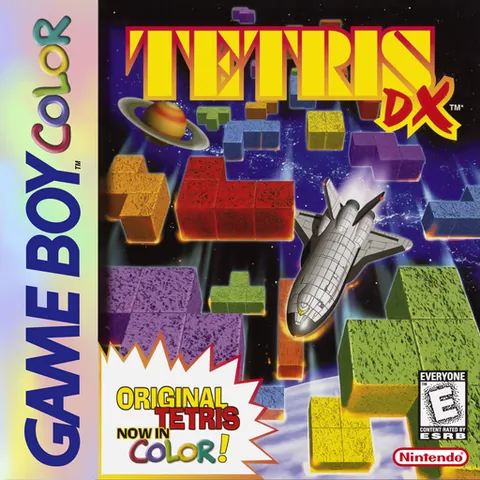
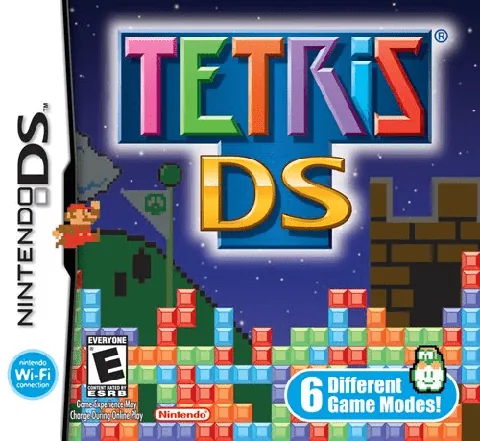
Over the following decades the series kept reappearing on nearly every new platform, even as its core rules stayed remarkably stable. Beyond the original PC-DOS and arcade versions, it was adapted for Game Boy Color, for Java-powered mobile phones in the pre-smartphone era, where it became one of the first truly mass-market mobile games, and for Nintendo DS with wireless multiplayer and playful nods to older Nintendo titles built into its various modes. Since 2001, official releases including the later 3DS version have followed the so-called Tetris Guideline, a shared rulebook covering features such as holding a piece for later and wall-kicking during rotation.
Even four decades on, Tetris remains the yardstick against which other stacking puzzle games such as Dr. Mario, Columns or Puyo Puyo are measured. It is routinely cited as proof that minimalist design can produce an almost timeless game, and intense play even lent its name to the so-called "Tetris effect", the phenomenon of players seeing falling shapes even away from the screen, in supermarket shelves or while falling asleep, after long sessions.
Entries in the series (15)
-
-
-
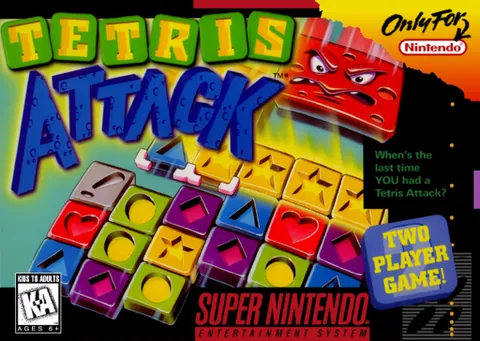
Tetris Attack · 1995
-
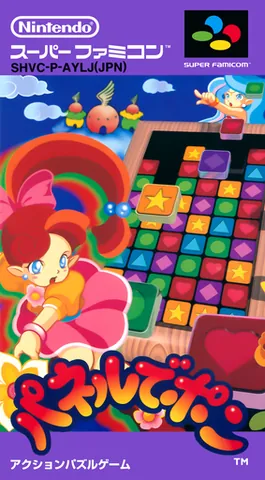
Tetris Attack / Panel de Pon · 1995
-
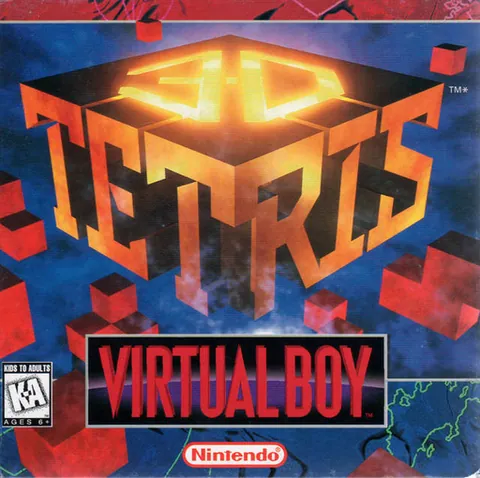
3-D Tetris · 1996
-
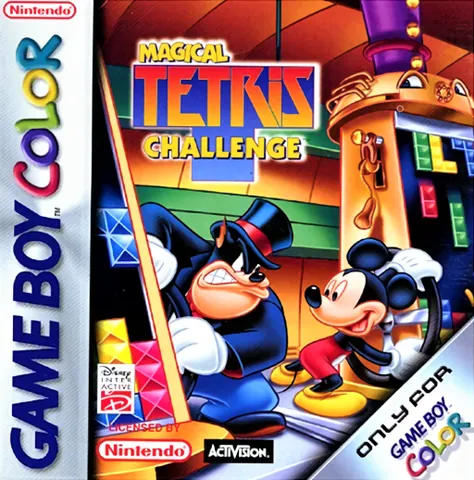
Magical Tetris Challenge · 1998
-
-
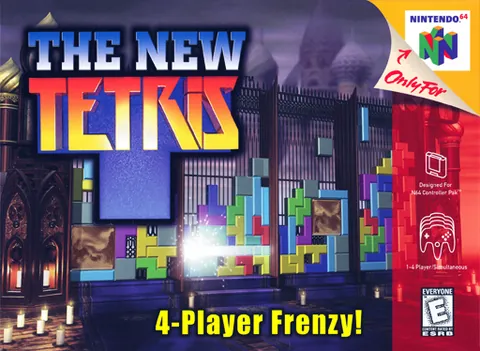
The New Tetris · 1999
-
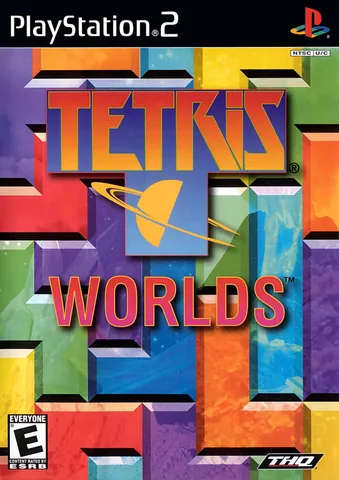
Tetris Worlds · 2001
-
-
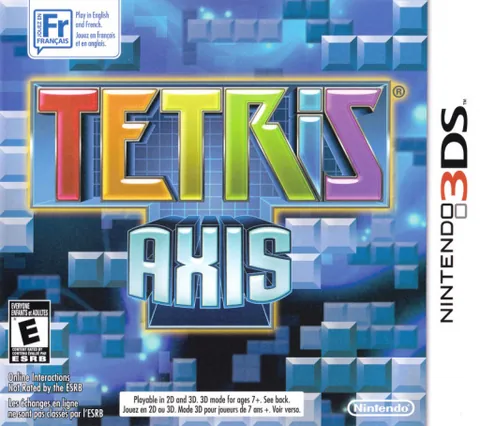
Tetris Axis · 2011
-
Puyo Puyo Tetris · 2017
-
Tetris Effect · 2018
-
-
Tetris Effect: Connected · 2023