Civilization
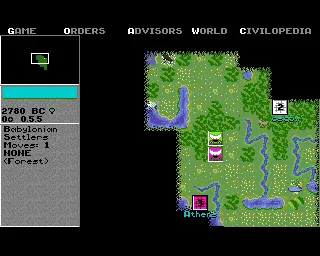
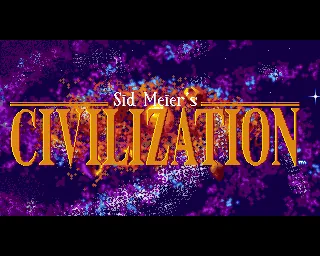
Few games can absorb a player as thoroughly as Civilization. The promise that you will lead your nation from the first settlement in ancient times all the way to space flight or global domination is responsible for countless sleepless nights and the eternal mantra just one more turn. Sid Meier created a game here that became synonymous with the entire turn-based strategy genre.
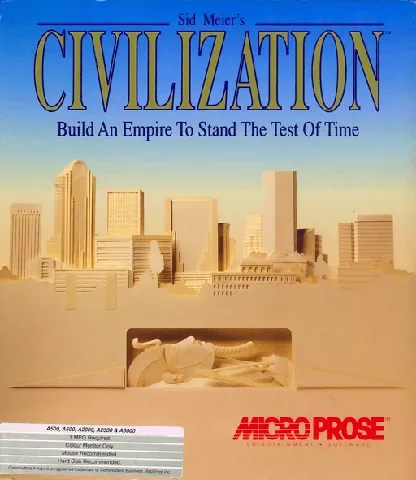
Civilization was released in 1991 from the workshop of MicroProse and cast the player in the role of an immortal leader who founds cities, researches in a technology tree, manages the economy, diplomacy and war across millennia. What is truly ingenious is above all the interconnection of all systems: every decision about research, construction or expansion has long-term consequences and leads to countless paths to finish the game.
The mechanic of turn-based empire building with an open ending was groundbreaking at the time. The player could win by conquering the world or by a scientific race to fly to Alpha Centauri, and every game unfolded differently thanks to randomly generated maps and various civilizations with their own leaders. This replayability is legendary to this day.
The cultural significance of Civilization is enormous. The game founded one of the longest-running and most acclaimed gaming brands ever, a series that has seen many sequels and regularly appears in rankings of the most influential games in history. The name Sid Meier became a guarantee of quality thanks to it. Amiga owners could enjoy their own conversion of this intellectual colossus.
Civilization is not just a game, it is a small simulator of human history in which strategy, planning and fascination with how far you can take your people all come together. That is precisely why, even after decades, it retains its unfading appeal.
Why play: A founding turn-based strategy with the legendary just one more turn effect that draws you in for hours on end.
Game 38 of 121 for Commodore Amiga
The same title elsewhere (1)
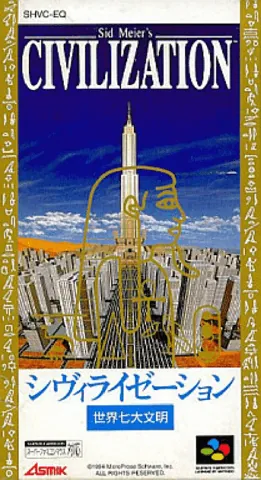
The Commodore Amiga original relied on mouse and keyboard control, which suited a game built around menus, city overviews and a technology tree - everything was close at hand and screens could be switched quickly. The Super Nintendo conversion had to rework the whole interface for a gamepad, meaning simplified menus and a slower cursor when browsing the map or unit lists with buttons instead of a mouse. On the plus side, the console version benefited from the SNES sound chip, which could produce richer, more melodic music than most contemporary home computers. If you want to play Civilization the way Sid Meier designed it, quick and clear, pick the Amiga; if you value atmospheric music and don't mind slower menus, try the SNES version instead.
From the same series Civilization →
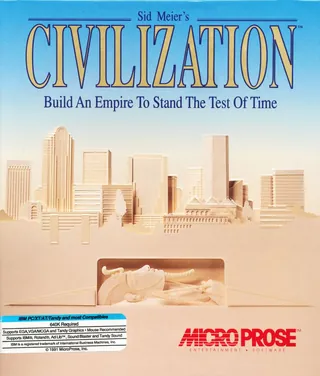 Sid Meier's Civilization DOS · SNES · 1991
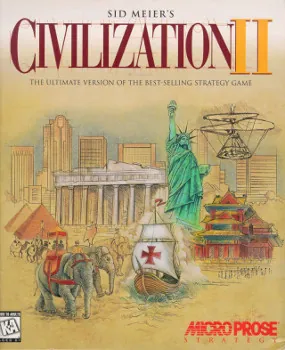 Civilization II DOS · PS1 · 1996
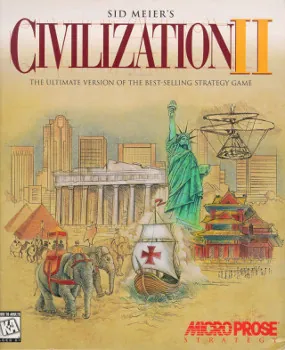 Sid Meier's Civilization II Win9x · PS1 · 1996
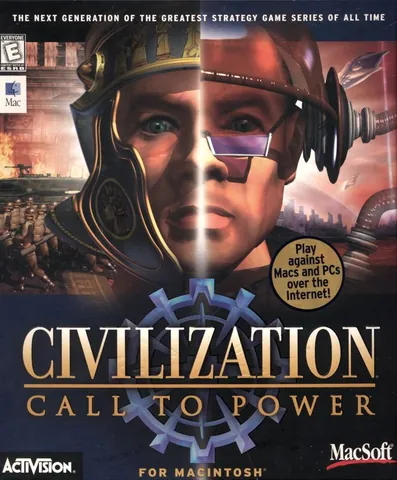 Civilization: Call to Power Win9x · 1999 Win9x Civilization: Call to Power II Win9x · 2000
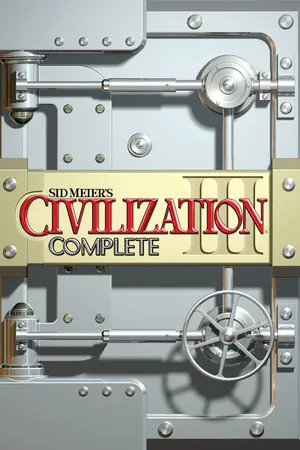 Sid Meier's Civilization III PC · 2001
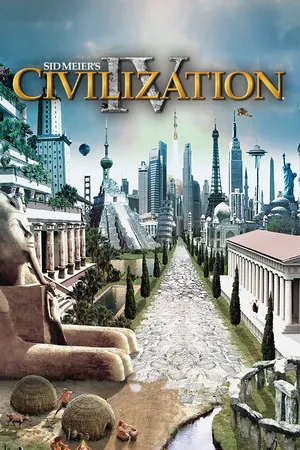 Sid Meier's Civilization IV PC · 2005
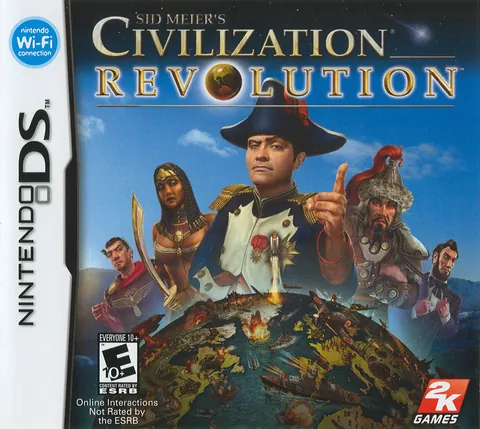 Sid Meier's Civilization Revolution DS · X360 · PS3 · Mobil · 2008
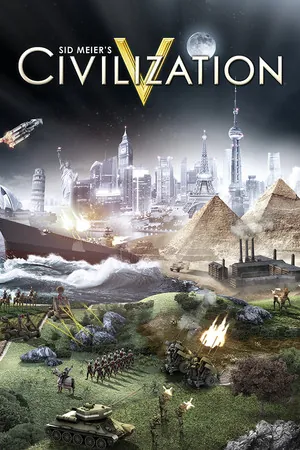 Sid Meier's Civilization V PC · 2010
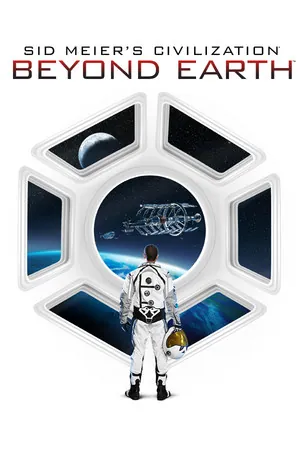 Sid Meier's Civilization: Beyond Earth PC · 2014
 Sid Meier's Civilization Revolution 2 Mobil · 2014
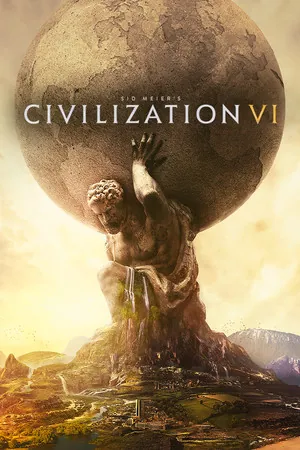 Sid Meier's Civilization VI PC · Mobil · Switch · 2016