Franchises
Civilization
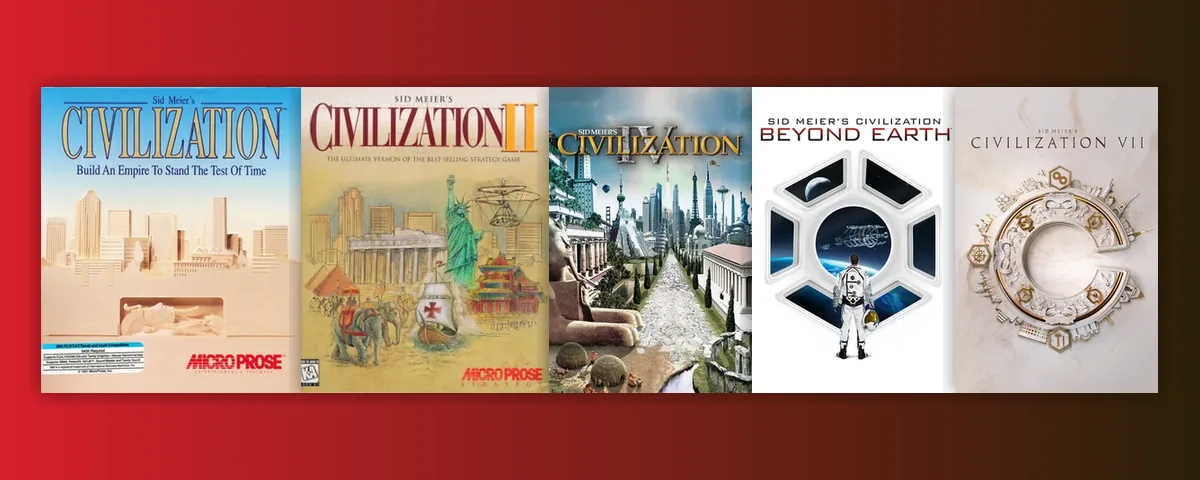
Civilization was created in 1991 at MicroProse under Sid Meier and Bruce Shelley as a turn-based strategy game in which the player leads one civilization from prehistory to the space age. It drew loose inspiration from the board game of the same name but turned the idea into a video game genre in its own right, folding city-building, technology research, diplomacy and war into a single package where there was always something to do next - making it one of the founding titles of the so-called 4X genre. The "one more turn" feeling became its calling card for decades to come, even as the game kept playing loose with historical accuracy in favour of clarity and pace.
The first game's success demanded ports to other platforms, including the Amiga and the SNES, where the controls had to be reworked for a gamepad and extra civilizations were added. Civilization II in 1996 expanded diplomacy, added short animated cutscenes for the world wonders, and found its way onto PlayStation, proving that a turn-based strategy game could work away from keyboard and mouse; three years later it was followed by the Test of Time expansion with fantasy scenarios and a map editor.
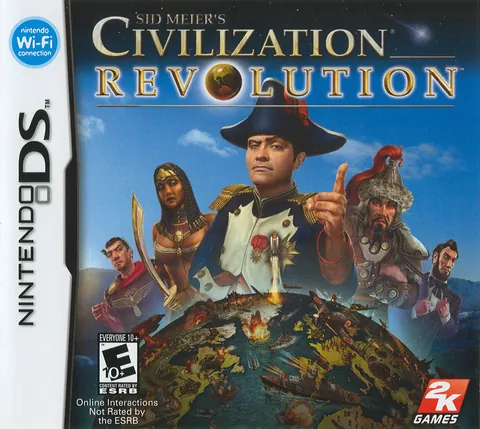
After MicroProse folded, Sid Meier founded his own studio, Firaxis Games, which took over the series. Civilization III in 2001 introduced the culture mechanic and shifting borders alongside the Play the World and Conquests expansions, while Civilization IV in 2005 added religion, reworked the technology tree, had its technology quotes narrated by actor Leonard Nimoy, and earned a reputation as the series' most fully realized entry thanks to the Warlords and Beyond the Sword expansions. The spin-off Civilization Revolution in 2008 went the other way, simplifying the rules for Xbox 360 and PlayStation 3 as well as mobile phones, bringing the series to an audience that would never have touched the PC version; a standalone mobile sequel, Civilization Revolution 2, followed six years later.
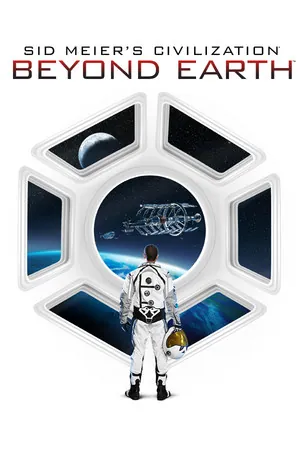
Civilization V in 2010 replaced the square grid with hexagons, ended the stacking of units on a single tile, and added independent city-states as a third force alongside the major powers, an idea further developed through the Gods & Kings and Brave New World expansions. The spin-off Civilization: Beyond Earth in 2014 moved the series into a science-fiction setting of colonizing an alien planet and received the Rising Tide expansion, while the main line continued with Civilization VI in 2016, which spread a city's buildings out onto surrounding tiles as districts and went on to receive the sizeable expansions Rise and Fall and Gathering Storm; the game later reached tablets and mobile devices as well.
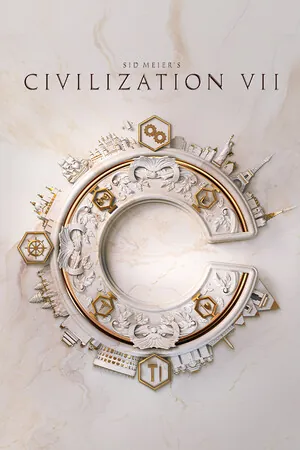
The latest entry, Civilization VII from 2025, splits a single playthrough into several historical ages, each with its own reset and fresh civilization development, sparking debate among longtime fans over how much of the series' traditional shape should survive the change. Across every entry, whether on Amiga, SNES, PlayStation or mobile, the core stays the same: the feeling that one more turn might bring the decisive breakthrough - and for more than three decades now, that feeling has shaped the entire turn-based strategy genre. Countless other turn-based and 4X titles since the 1990s have either built on it or been measured against it in reviews, whether for their style of empire-building, their tech tree, or simply that same urge to play just one more turn.
Entries in the series (14)
-
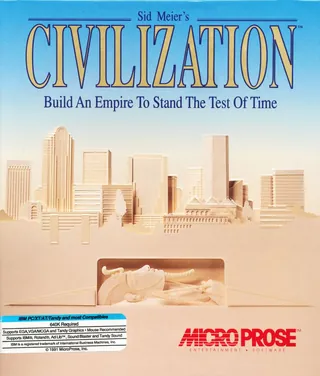
Sid Meier's Civilization · 1991
-
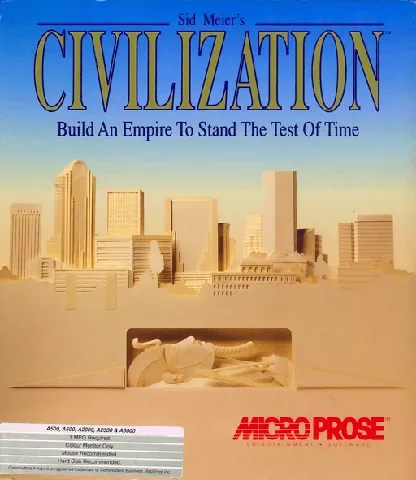
Civilization · 1993
-
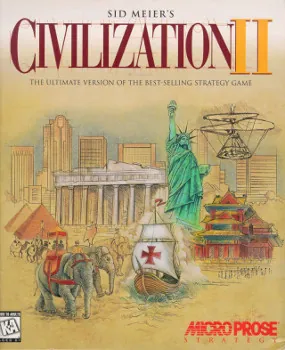
Civilization II · 1996
-
Sid Meier's Civilization II · 1996
-
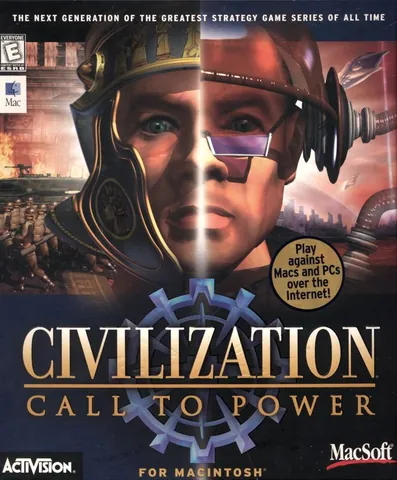
Civilization: Call to Power · 1999
- Win9x
-
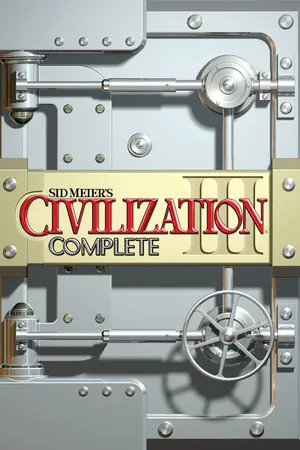
Sid Meier's Civilization III · 2001
-
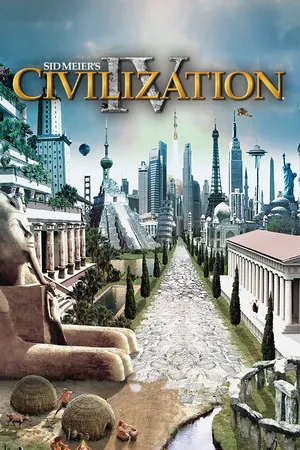
Sid Meier's Civilization IV · 2005
-
-
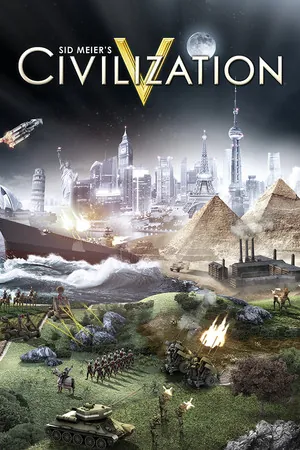
Sid Meier's Civilization V · 2010
-

-
-
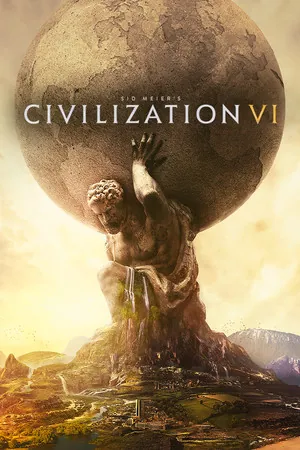
Sid Meier's Civilization VI · 2016
-