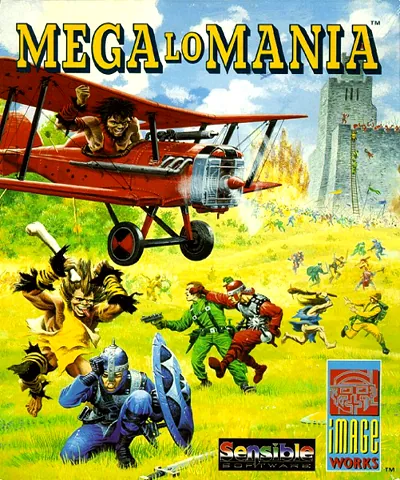
Mega lo Mania
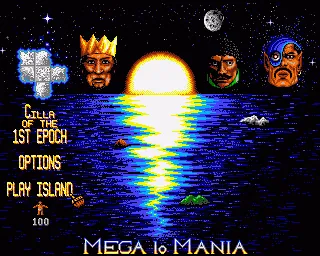
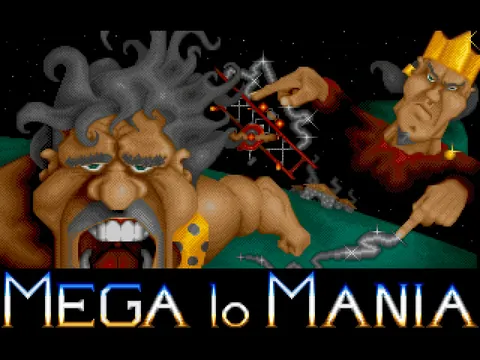
Mega lo Mania is proof that the British gaming scene of the early nineties had its own distinctive style for strategy, full of humor and ideas. This game by Sensible Software casts you as one of four rival deities battling for dominance over islands across the epochs of human development, from sticks and stones all the way to futuristic weapons.
At the core of the game is a clever combination of strategy, resource management and technological progress. The player divides subjects between mining resources, researching new weapons and the actual fighting. Progress through the game is written in time: as your people research, the whole civilization moves through technological epochs and acquires ever more deadly equipment. This linking of development and warfare gave the game a fresh pace and a distinctive depth.
Sensible Software, later famous for the football of Sensible Soccer, infused Mega lo Mania with typical British humor, including its legendary one-liners and an overall playful tone. It is precisely this wit and the original blend of turn-based and real-time elements that set the game apart from its more ponderous competitors.
In development terms the game fits into the golden era of the Amiga and 16-bit computers, when smaller British studios churned out creative ideas and were not afraid to experiment with genres. Mega lo Mania is a splendid example of this: strategy that is accessible, funny and yet deep enough to keep the brain cells busy.
For veterans of the Amiga scene, Mega lo Mania is among the titles that etched themselves into memory with their atmosphere and personality. It is not a dry war simulation but brisk entertainment with wit and clever design.
Why play: A distinctive British strategy with humor and ingenious progression through the epochs, ideal for fans of unconventional classics.
Game 39 of 121 for Commodore Amiga
The same title elsewhere (1)
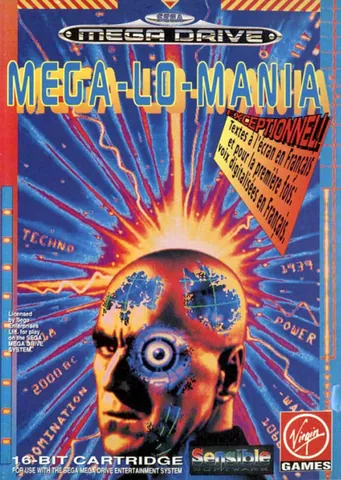
The original was built on the Commodore Amiga, where the whole strategic layer — building units, research, moving between islands — was mouse-driven, keeping the game smooth and easy to read. The SEGA Mega Drive conversion had to translate all of that to a gamepad, so menu navigation and switching between islands feels noticeably slower and clunkier. The sound differs too: the Amiga's Paula chip gives the music a softer, sampled character, while the Mega Drive's FM synthesis sounds sharper and more metallic. Visually the two versions are close, but thanks to the mouse and smoother controls, the Amiga edition is usually seen as the reference version to play.