Game studio
Ubisoft Montpellier
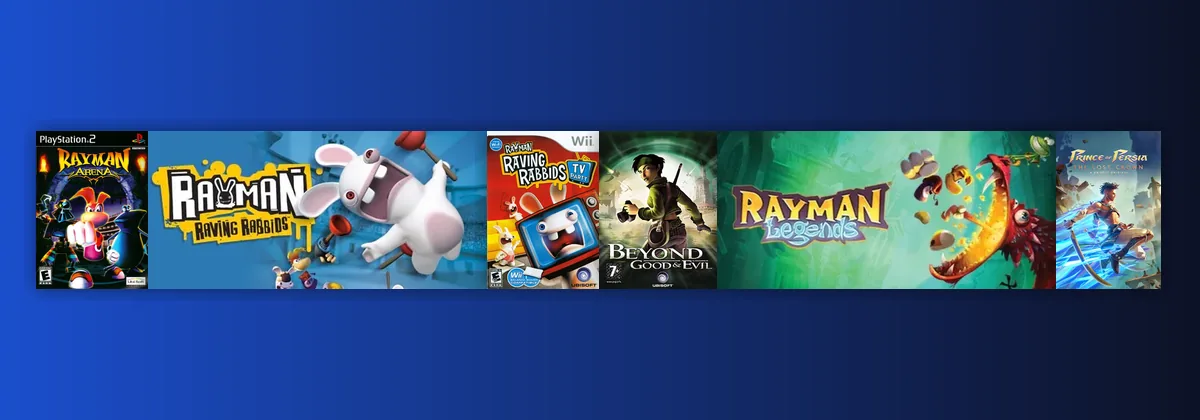
Ubisoft Montpellier is a French development studio under the Ubisoft umbrella, which has built its reputation primarily as the home team of the Rayman series. While other studios within the group tend toward large-scale open-world action games, Montpellier has long maintained an identity tied to the colorful platforming tradition and playful design that appeals equally to children and adult players. It is from here that some of the most distinctive modern platformers on the market emerged, praised for their art style, fluid gameplay, and a striking musical accompaniment that became an inseparable part of the whole series' identity. At the same time, the studio has proven it can work outside its main brand, venturing into a completely different horror project.
History
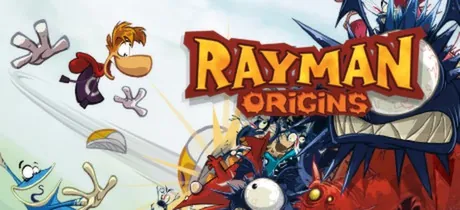
The studio has long been tied to the Rayman series, which it pushed in new directions across its various generations and was never afraid to experiment with its format and target audience. Rayman Raving Rabbids for Wii showed that the popular character could also work in the genre of minigame party titles built around motion controls, and gave rise to its own offshoot of the series centered on the crazy rabbids, which later became independent and lived on with a life of its own, separate from the main platforming line. A few years later, the studio returned to its platforming roots with Rayman Origins, a hand-drawn title with a strikingly stylized visual style, released on PS3 and Vita, praised by critics for returning to a purer, more playful form of the series after the detour into party games.
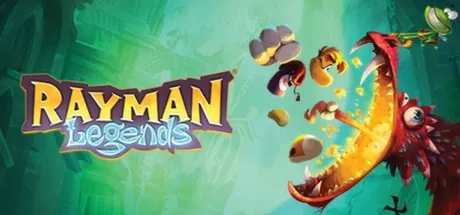
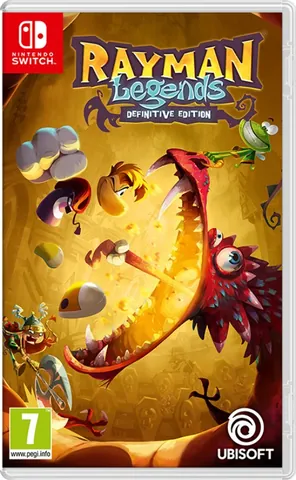
Building on this success came Rayman Legends, which expanded the gameplay with new levels, characters, and a cooperative multiplayer mode, released gradually on Wii U, Vita, PS4, and Xbox One, before receiving a Definitive Edition for Nintendo Switch a few years later — which well illustrates how long the title retained its appeal across console generations and how well it survived the transition to a portable hybrid platform. Thanks especially to its music-driven levels, where the characters' movement synchronized with the rhythm of the track, the game earned a lasting reputation as one of the best-rated platformers of its generation.
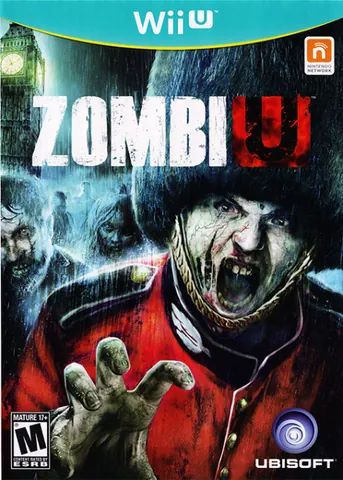
Alongside its platforming line, the studio ventured in a completely different direction in 2012 with the survival horror ZombiU, a Wii U exclusive that unconventionally used the GamePad controller's second screen for gameplay mechanics tied to inventory, the map, and the tension of permanent character death. After being infected by the zombie virus, the player permanently lost their character and had to continue as a new one, which brought unusually high risk and tension even for a genre that otherwise tends to be more action-oriented. This title showed that Montpellier can also work outside its established platforming brand and experiment with atmosphere and game systems different from Rayman, though the studio returned to similarly risky projects only rarely, with its center of gravity remaining clearly with platformer development.
Present
Ubisoft Montpellier remains part of Ubisoft's broader network of studios and continues to contribute to the development and upkeep of the Rayman brand as well as other projects within the group, whether standalone games or support for other Ubisoft teams on their titles. Its platformers still regularly appear on modern consoles in the form of remasters and collections, showing how enduring a value Rayman has retained among players even after all these years, and why the publisher and studio keep returning to it. Whatever shape the series takes next, Ubisoft Montpellier remains known to players primarily as the creator of some of the best-rated European platformers of the last two decades, whose visual style and musical accompaniment became a model for many other studios in the genre.
Games by the studio (22)
-
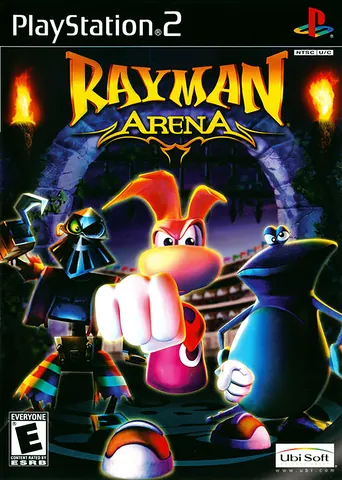
Rayman Arena · 2002
-
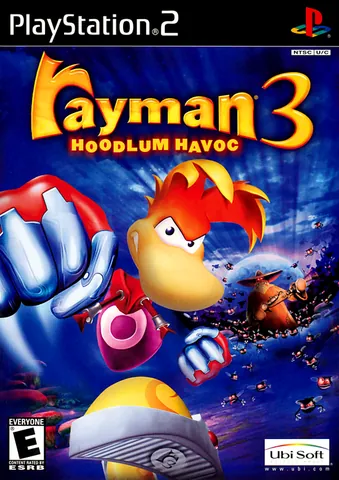
Rayman 3: Hoodlum Havoc · 2003
-
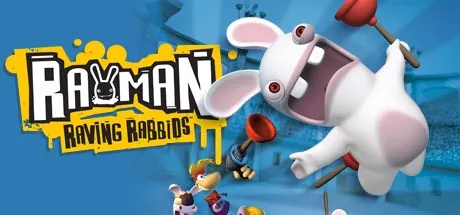
Rayman Raving Rabbids · 2006
-
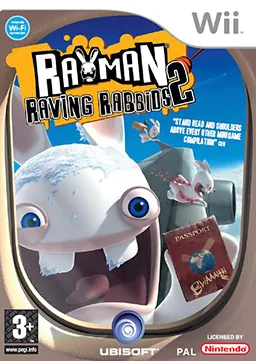
Rayman Raving Rabbids 2 · 2007
-
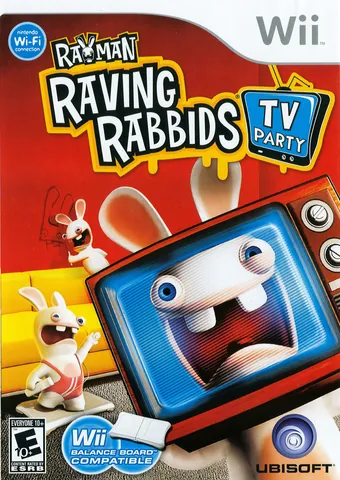
-
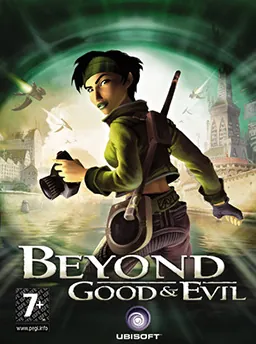
Beyond Good & Evil HD · 2011
-
Rayman Origins · 2011
-
-
-
-