Game studio
Square
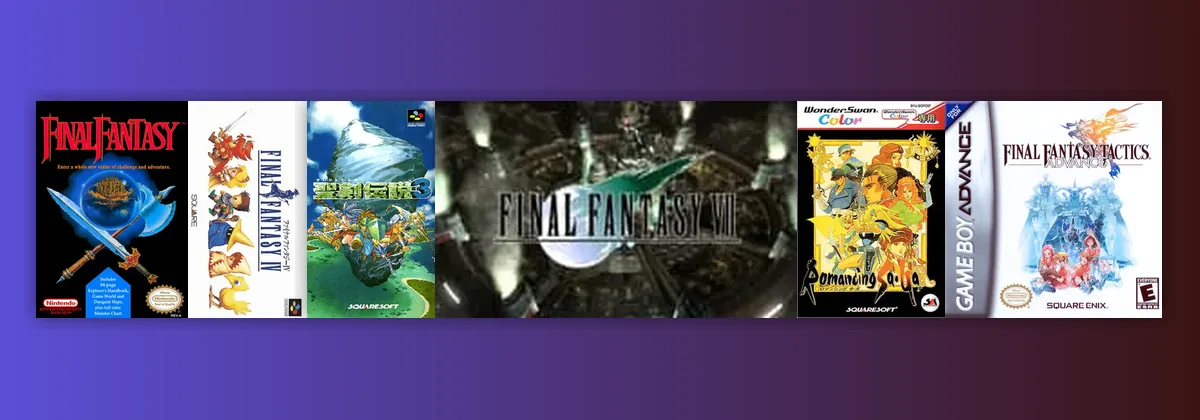
If there is a single name that, for an entire generation of gamers, embodies the Japanese RPG, it is Square. The studio, which entered history above all thanks to the Final Fantasy series, managed to create, on eight-bit and sixteen-bit consoles, worlds with such depth of story, music, and emotion that players carry them in their hearts to this day. Square was not just a maker of games — it was a house in which gaming began to be taken seriously as storytelling. For retro enthusiasts it represents the golden era when simple entertainment became art and when a cartridge in a console could bring tears to your eyes.
History
Square (in Japanese Square Co., Ltd., built on the Squaresoft brand) was founded in 1986, when it became independent from the original software division of the firm Den-Yu-Sha, owned by Masafumi Miyamoto. It was Miyamoto who founded the company and stood at its uncertain beginnings. At the end of the 1980s the studio was in financial trouble, and according to a now legendary tale, one of its young employees, Hironobu Sakaguchi, decided to bet everything on a single card. He aptly named the game he was preparing Final Fantasy — it was to be his last game if the studio failed.
The opposite came true. Final Fantasy was released on the Nintendo Entertainment System in 1987 (in North America then in 1990) and became a blockbuster that saved the studio and set it on a path that continues to this day. In the Super Nintendo era, Square literally flourished. A number of Final Fantasy installments were released here — IV (in North America released as Final Fantasy II) in 1991, V two years later, and in 1994 the monumental Final Fantasy VI, which many still consider the peak of the classic, two-dimensional JRPG.
But Square never confined itself to a single series. In parallel it developed the Seiken Densetsu brand, known in the West under names like Mystic Quest, Secret of Mana, and Trials of Mana. The first installment, Final Fantasy Adventure for the Game Boy, opened a more action-oriented, real-time take on the RPG, followed by the gorgeous Secret of Mana on the SNES with the option of multiplayer cooperation. The culmination of this line was Seiken Densetsu 3 — an installment that Japanese players already loved in the 1990s, while the rest of the world officially got it only much later under the name Trials of Mana.
Key figures
The face of Square is undoubtedly Hironobu Sakaguchi, the father of the Final Fantasy series, who for many years oversaw its direction as producer and director. At his side stood other creators whose names still resonate today. Akitoshi Kawazu contributed to the game systems of the early installments and later developed his own SaGa series. Hiroyuki Ito was behind elaborate combat systems, among others the famous Active Time Battle.
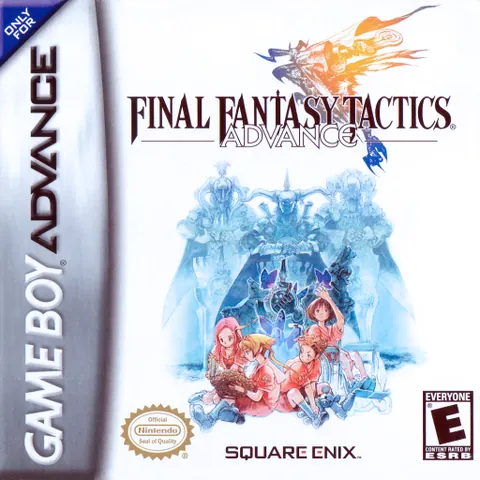
The visual soul of the studio was Yoshitaka Amano, whose ethereal, dreamlike illustrations gave Final Fantasy an instantly recognizable face. An absolutely essential figure, however, is composer Nobuo Uematsu — his music for Final Fantasy VI and other installments ranks among the best ever created in game music, and for many players it is inseparable from the experience itself. To the younger generation belongs Yasumi Matsuno, author of strategically rich titles, whose signature is borne even by tactical installments like the later Final Fantasy Tactics Advance on the Game Boy Advance.
Transformations and transfers
The fate of Square is closely tied to its longtime rival — the studio Enix, publisher of the competing Dragon Quest series. After the costly and commercially unsuccessful film Final Fantasy: The Spirits Within (2001), Square found itself in financial distress, and the two companies, long seen as archrivals, merged in April 2003 into the new company Square Enix.
This merger meant the end of the Squaresoft brand as an independent entity, but at the same time the birth of one of the most powerful players in the field of RPGs. Founder Hironobu Sakaguchi did not remain at the studio permanently after the merger — he left and later founded his own studio, Mistwalker, under which he created games like Blue Dragon and Lost Odyssey. Composer Nobuo Uematsu also gradually became independent and began working as a freelance author, though he continued to collaborate on music for Square Enix.
The present
Square's legacy is today carried by the company Square Enix, which in 2026 still ranks among the most important Japanese game studios and publishers. The Final Fantasy and Dragon Quest series continue on, remakes and entirely new installments are being made, and classic titles appear on modern platforms through collections and digital stores.
The standalone Square brand did formally cease to exist in 2003, but its legacy lives on in every new JRPG that tries to combine a grand story with unforgettable music. For retro gamers, Square remains synonymous with the era when the Japanese RPG reached its artistic peak — and cartridges like Final Fantasy VI or Secret of Mana are still the best proof of it.
Games by the studio (38)
-
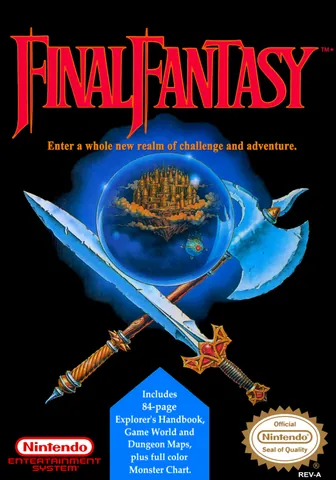
Final Fantasy · 1987
-

-
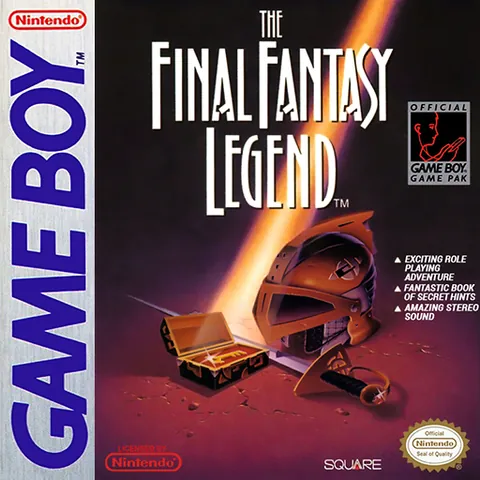
The Final Fantasy Legend · 1989
-
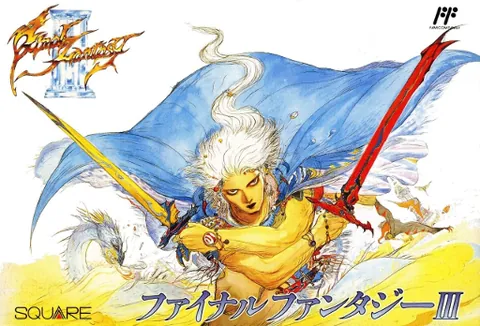
Final Fantasy III · 1990
-
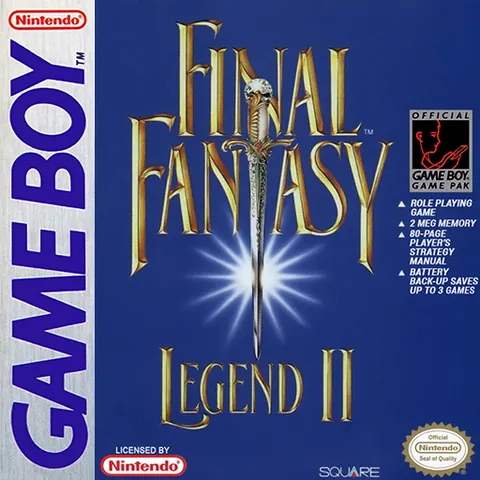
Final Fantasy Legend II · 1990
-
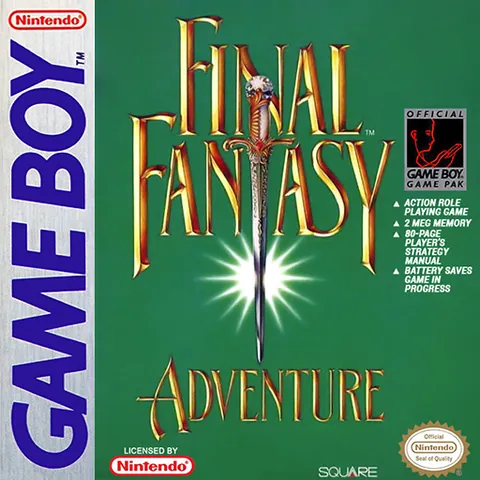
Final Fantasy Adventure · 1991
-
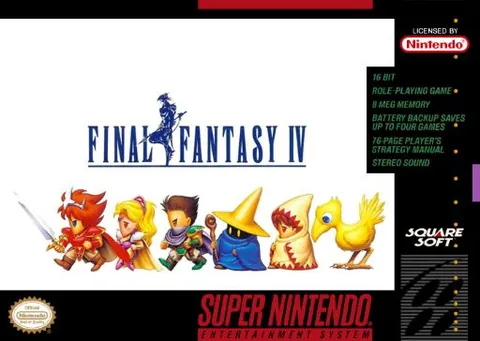
Final Fantasy IV · 1991
-
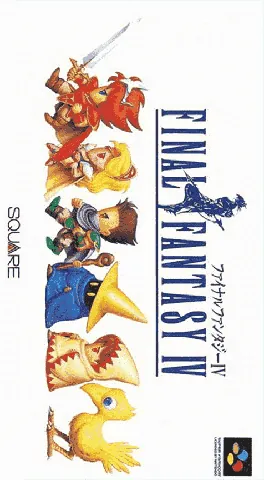
Final Fantasy IV / V · 1991
-
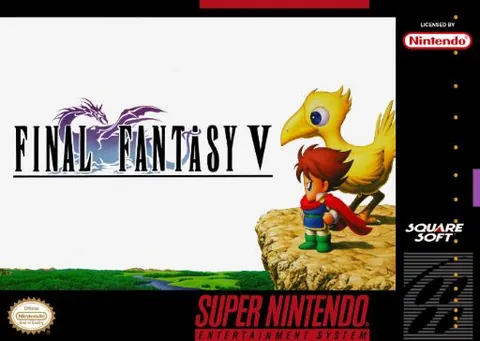
Final Fantasy V · 1992
-
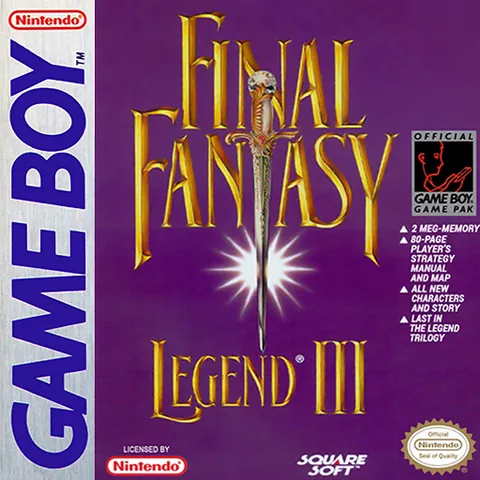
Final Fantasy Legend III · 1993
-
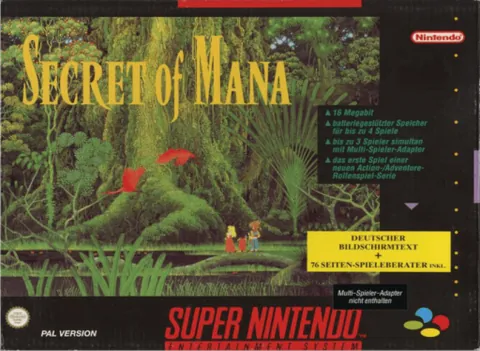
Secret of Mana · 1993
-
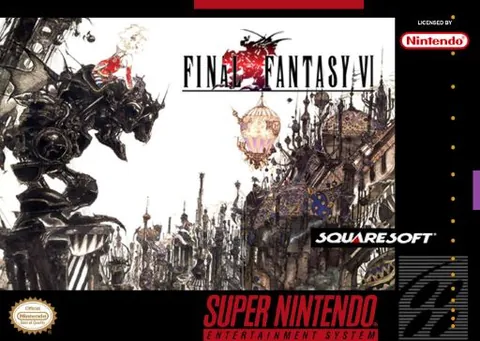
Final Fantasy VI (FFIII US) · 1994
-
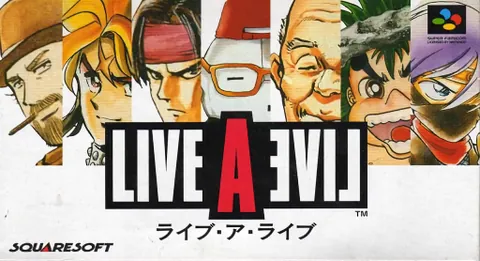
Live A Live · 1994
-
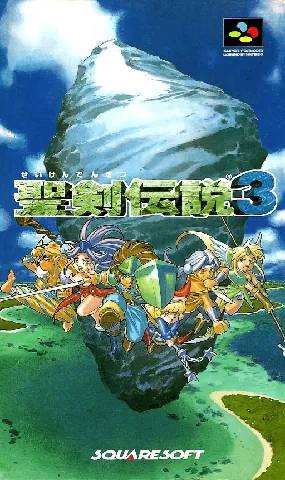
Seiken Densetsu 3 · 1995
-
-
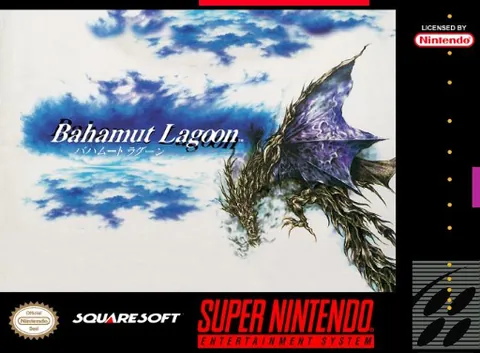
Bahamut Lagoon · 1996
-
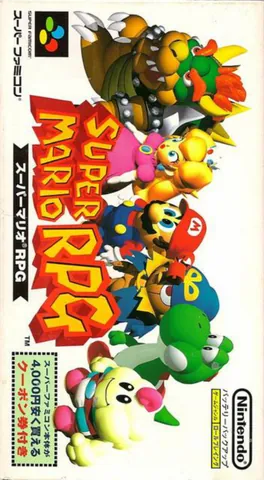
Super Mario RPG · 1996
-
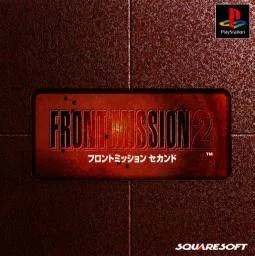
Front Mission 2 · 1997
-
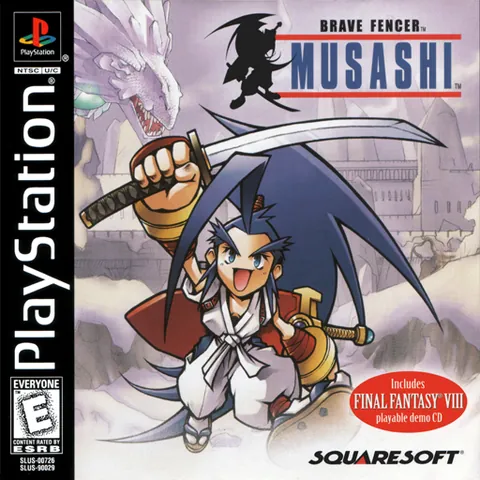
Brave Fencer Musashi · 1998
-
Final Fantasy VII · 1998
-
-
Chrono Trigger · 1999
-
Final Fantasy VIII · 2000
-
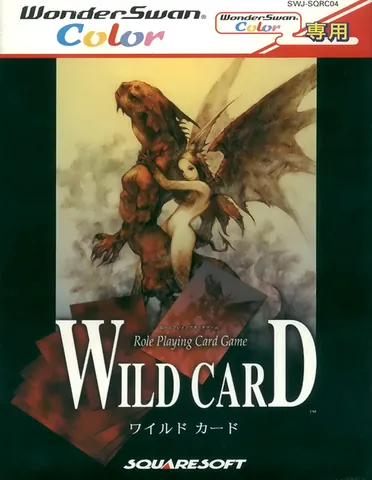
-
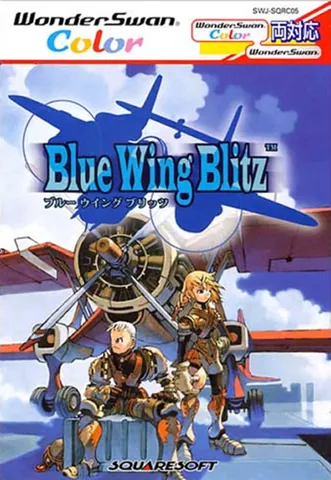
Blue Wing Blitz · 2001
-
Final Fantasy II · 2001
-
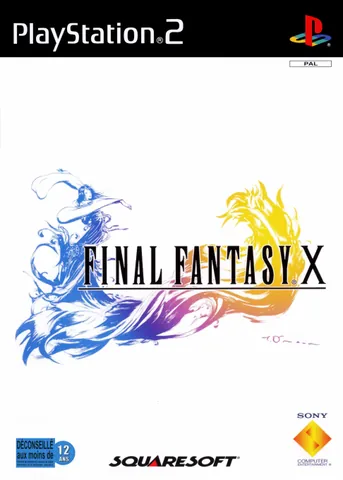
Final Fantasy X · 2001
-
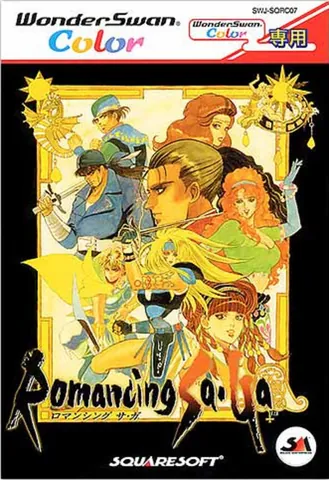
Romancing SaGa · 2001
-
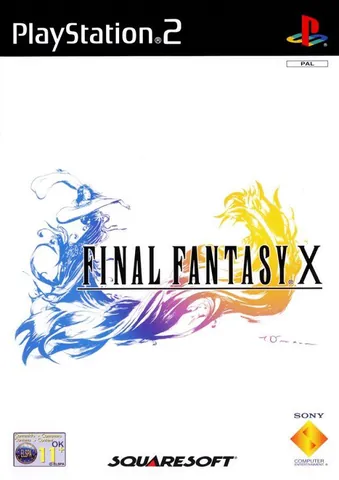
Final Fantasy XI · 2002
-
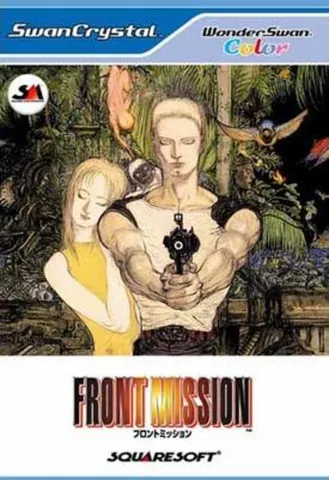
Front Mission · 2002
-
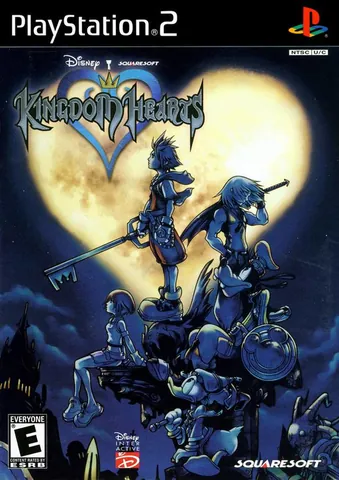
Kingdom Hearts · 2002
-
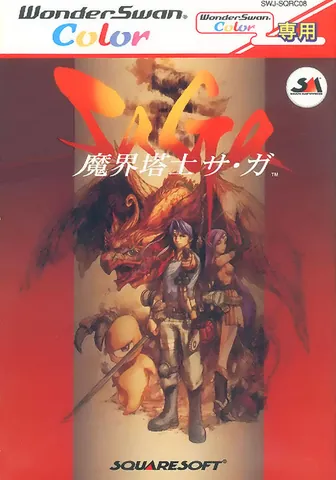
Makaitoushi SaGa · 2002
-