Franchises
Trine
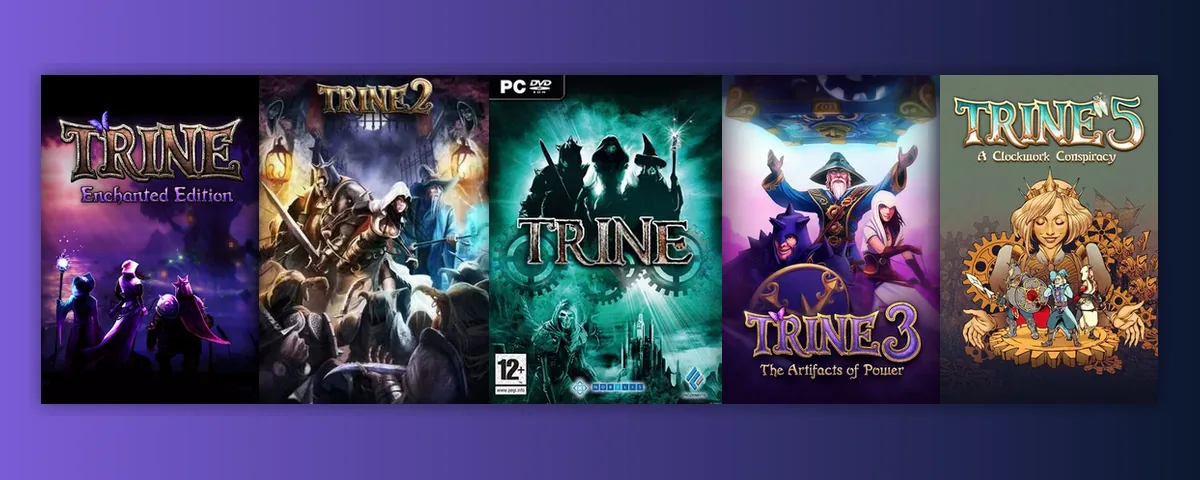
Trine kicked off in 2009 with a formula built around physics puzzles wrapped in a fairy-tale setting. Finnish studio Frozenbyte built the game around three heroes – the wizard Amadeus, the knight Pontius and the thief Zoya – bound into one body by a magical artifact called the Trine, letting the player switch between them at will depending on what a puzzle or fight demands. The wizard conjures boxes and platforms, the knight brings strength and a shield, the thief a bow and grappling hook, and most puzzles are solved by combining their abilities on top of a physics engine that became the series' calling card.
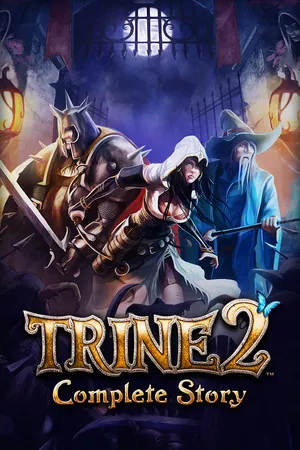
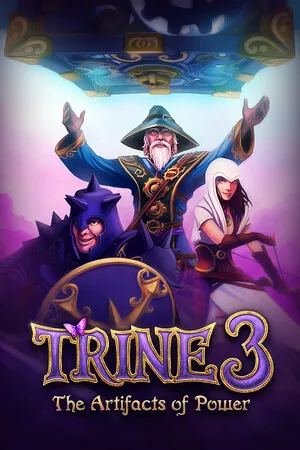
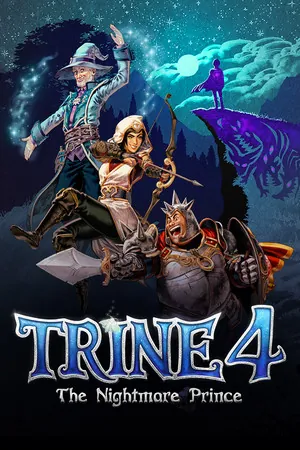
Trine 2 (2011) refined that idea into what many still consider the series' peak, expanding the puzzles, adding three-player co-op and pushing the storybook visuals a notch further. Trine 3: The Artifacts of Power (2015) took a riskier turn into fully three-dimensional movement and a shorter, more action-focused structure, a change that split fans and is usually seen as a detour the series needed to recover from. Trine 4: The Nightmare Prince (2019) responded by returning to the 2.5D side-scrolling of the first two games, bringing back a nightmare-themed story, and was widely welcomed as a comeback to what made the series popular in the first place.
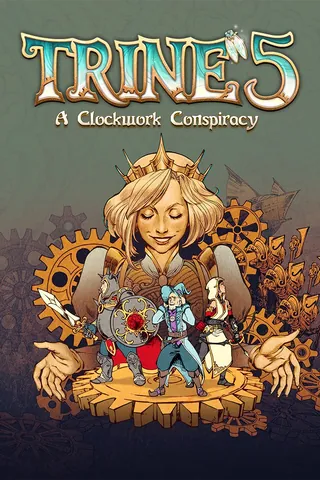
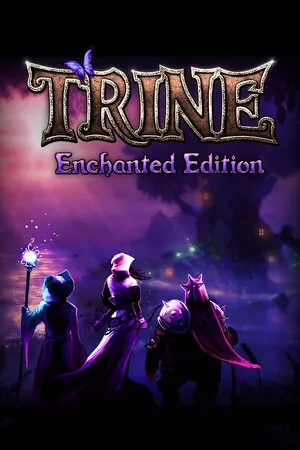
The series was rounded out by the remaster Trine: Enchanted Edition (2014), which rebuilt the first game's visuals to a level closer to Trine 2, effectively tying the fifth release back to the very first one. Across every entry, the orchestral score by composer Ari Pulkkinen remained a constant, as did the option to play the whole game in local or online co-op for up to three players, which made the series a favorite for playing together across console generations.
Entries in the series (7)
-
-
-
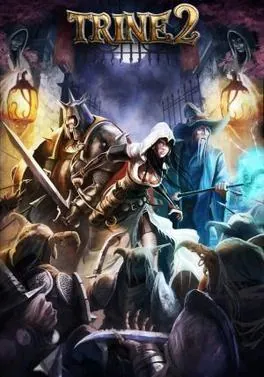
Trine 2: Director's Cut · 2013
-
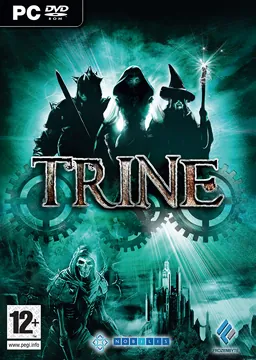
Trine: Enchanted Edition · 2014
-
-
-