Franchises
Halo
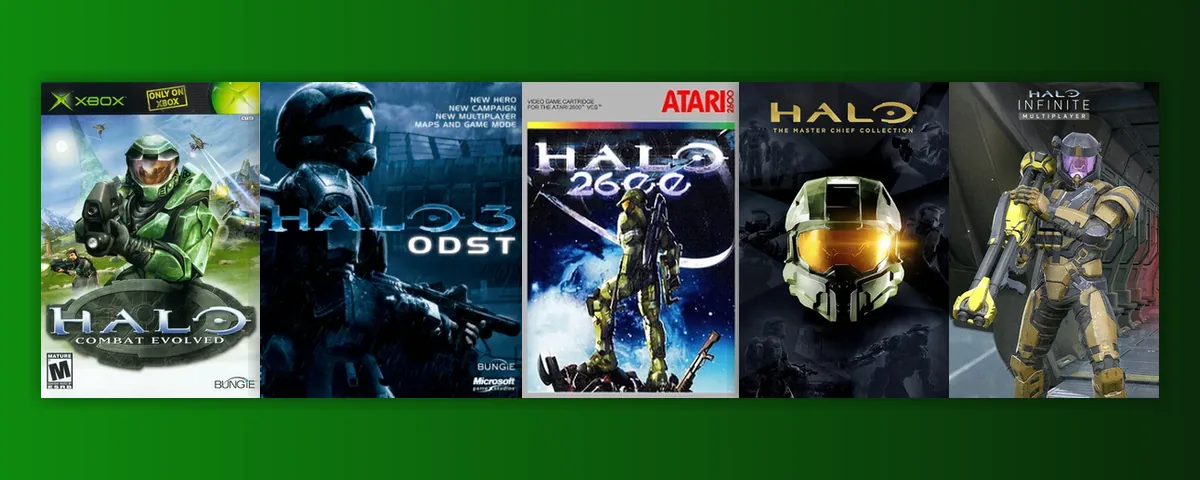
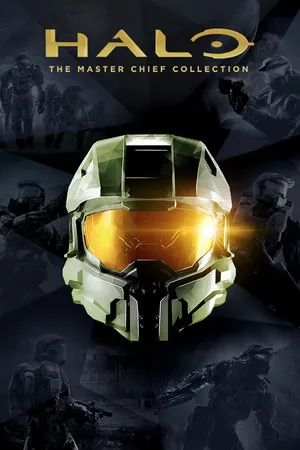
Halo: Combat Evolved arrived in 2001 as an Xbox launch title from Bungie, and it immediately set the template for what a console first-person sci-fi shooter could be. Players took control of the superhuman soldier Master Chief, who on a ring-shaped megastructure called Halo faces the alien theocracy known as the Covenant and a parasitic threat called the Flood. The game paired on-foot combat with vehicle sections in the Warthog or Banshee, replaced health packs with a regenerating shield, and built a weapon sandbox so careful that even the basic pistol could land precise, lethal shots at range. Its LAN-party multiplayer became legendary, and together with its analog-stick aiming it helped establish the standard console shooters still follow today. A key part of the game's atmosphere was the spare, orchestral score by composer Martin O'Donnell, whose main theme became one of the most recognizable pieces of music in the games industry.
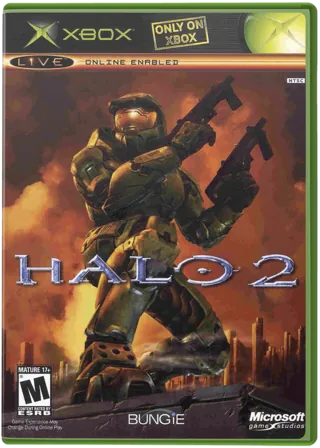
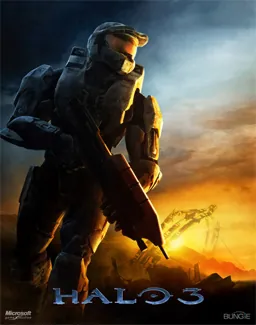
Halo 2, released in 2004, added dual-wielding, a story told partly from the Covenant's perspective, and above all a massive online multiplayer mode on Xbox Live that made the series a pillar of early networked console gaming. Its controversial cliffhanger ending split players but did nothing to slow the game's popularity. Halo 3, in 2007, closed out the original trilogy, introduced the Forge map editor and the ability to save and share match recordings, and became one of the best-selling titles of the Xbox 360 generation. Xbox Live also popularized skill-based matchmaking, which turned Halo 2 into one of the first truly competitive online console shooters and a forerunner of the later esports scene.
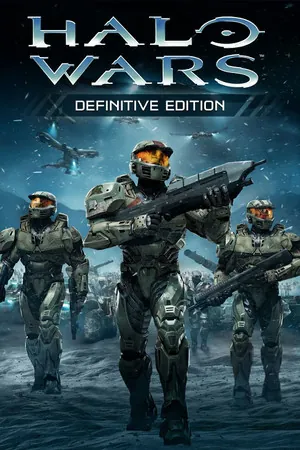
Alongside the main line came spin-offs: the real-time strategy game Halo Wars, developed by Ensemble Studios, carried the Halo universe into a different genre; Halo 3: ODST offered a darker view of the war through ordinary soldiers; and Halo: Reach, released in 2010, became Bungie's final entry in the series - a prequel about the fall of Noble Team, whose members all die over the course of the story, and one of the most emotionally charged chapters in the whole franchise. After its release, Bungie turned its attention to its new Destiny franchise, and development of Halo passed to the newly formed 343 Industries. Halo 3: ODST additionally framed its story as a detective mystery set in the ruined city of New Mombasa, where a lone ODST trooper searches the streets at night for clues to his squadmates' fate, while Halo: Reach drew on the novel The Fall of Reach and brought a relentless, tragic tone the series had not shown before.
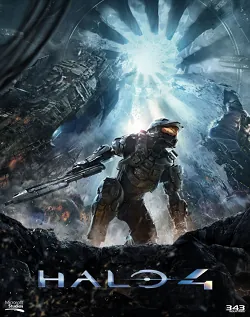
343 Industries opened the so-called Reclaimer trilogy: Halo 4, in 2012, pushed the story toward the slow madness of the artificial intelligence Cortana and introduced the new Promethean enemies, while Halo 5: Guardians, in 2015, divided fans with marketing built around the search for Master Chief even though players spent most of the game controlling the new hero, Spartan Locke. Halo 5's arena multiplayer nonetheless earned praise from part of the community for its speed and balance. In the meantime, the strategy side of the series continued with Halo Wars 2. Halo 4 also introduced the episodic co-op mode Spartan Ops, which extended the campaign week by week, while Halo 5: Guardians expanded multiplayer with the large-scale Warzone mode, combining player-versus-player combat with AI enemies on sprawling maps.
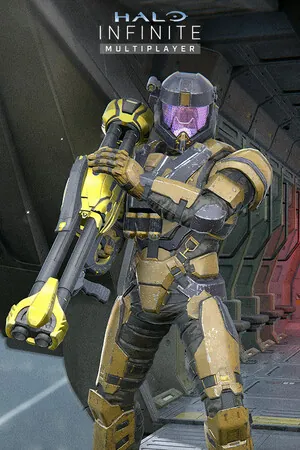
Halo Infinite, in 2021, returned to a more open level design on the half-shattered ring Zeta Halo and to a tone closer to the original trilogy, and its multiplayer launched as free-to-play. Its launch was marred by missing content and a slow pace of updates, both of which improved gradually afterward. Despite uneven quality across individual entries, Halo remains Xbox's flagship franchise, having inspired countless other shooters with its emphasis on regenerating health, a balanced weapon sandbox and vehicle combat, and it has since been adapted into a television series. Campaign co-op, missing from Halo Infinite at launch, arrived about a year later, alongside seasonal content driven by a battle pass, which became the game's new funding model.
Entries in the series (13)
-
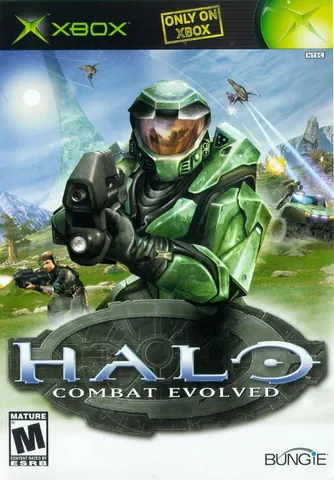
Halo: Combat Evolved · 2001
-
-
-
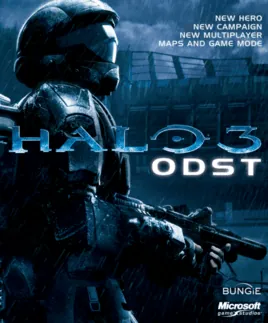
Halo 3: ODST · 2009
-
-
-
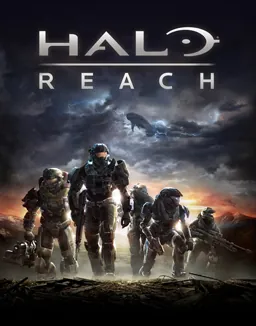
Halo: Reach · 2010
-

-
-
-
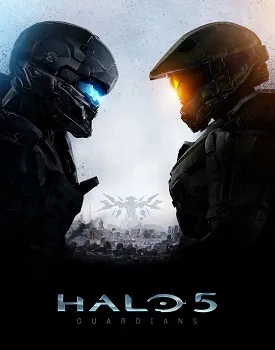
Halo 5: Guardians · 2015
-
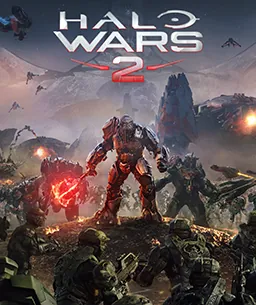
Halo Wars 2 · 2017
-
Halo Infinite · 2021