Franchises
Diablo
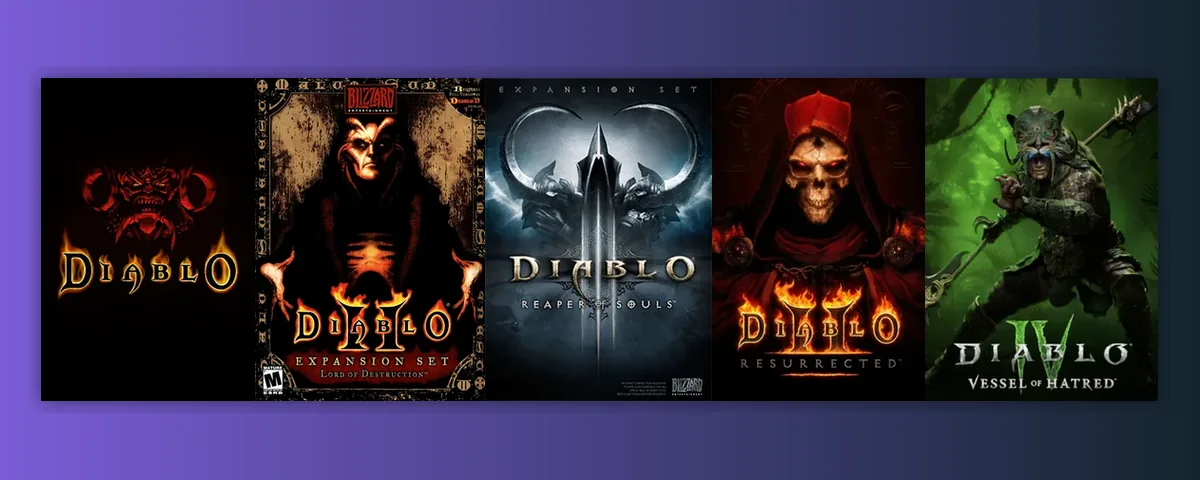
Diablo, released by Blizzard North in 1996, moved the action-RPG genre from turn-based combat into real time and replaced hand-crafted dungeons with randomly generated levels, so the game looked different on every playthrough — it also drew inspiration from the roguelike genre. Players chose one of three starting characters (warrior, rogue, or sorcerer), descended beneath the town of Tristram toward the titular demon, and gathered ever-better gear with randomly generated properties along the way. The game built its hook on a simple, addictive core: kill monsters, find better loot; it also offered a hardcore mode with permanent character death, and multiplayer through Battle.net made it one of the first widely played online action games of its era.
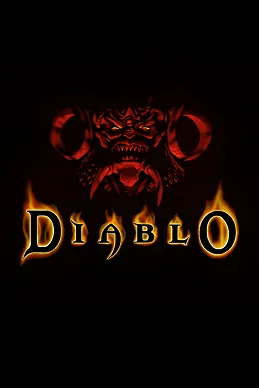
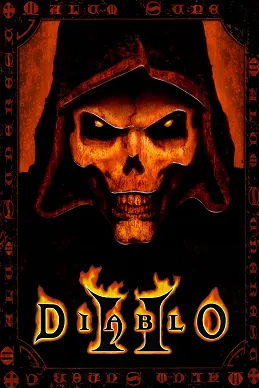
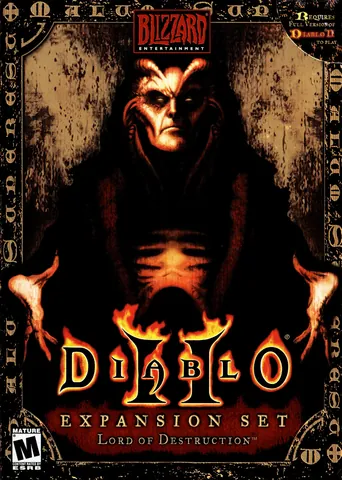
Diablo II (2000) expanded the scope considerably — five distinct character classes (Amazon, Barbarian, Necromancer, Sorceress, and Paladin), five acts spanning very different environments from the desert city of Lut Gholein through the jungles of Kurast to Hell itself, a deeper item system with unique and set pieces, and skill trees for each class. The Lord of Destruction expansion (2001) added two more classes, the Assassin and the Druid, runewords — combinations of runes socketed into weapons and armor for custom bonuses — and the Horadric Cube, an item for combining materials and gear into new equipment. Diablo II became the template against which most loot-driven action-RPGs are still measured, and its Battle.net trading economy was among the liveliest of any online game at the time.
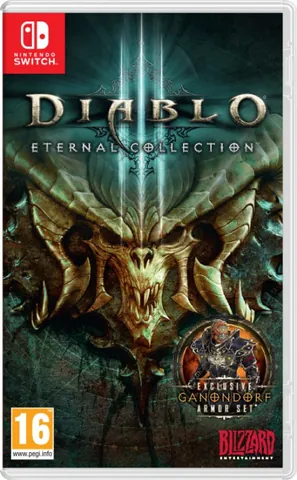
After a long gap, Diablo III arrived in 2012 following more than a decade of development, bringing five new classes: Barbarian, Witch Doctor, Wizard, Monk, and Demon Hunter. On PC, it required a constant internet connection at launch even for single-player and included a real-money auction house, which drew heavy criticism over the loot chase and how the game actually felt to play; the console versions for PlayStation 3 and Xbox 360, by contrast, offered offline play. The Reaper of Souls expansion (2014), paired with a major overhaul of the loot system, largely fixed those issues, the auction house was later removed, and the game introduced seasonal ladders in which players start a fresh character from scratch — a concept that became a lasting part of the series. The series earned a reputation for recovering from a rocky start.
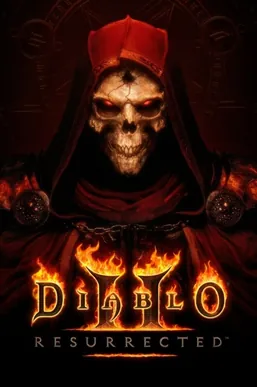
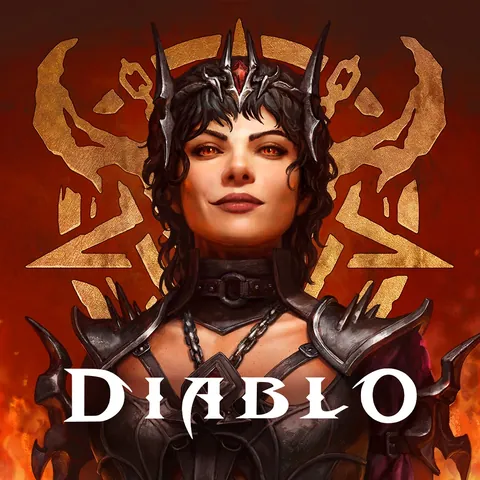
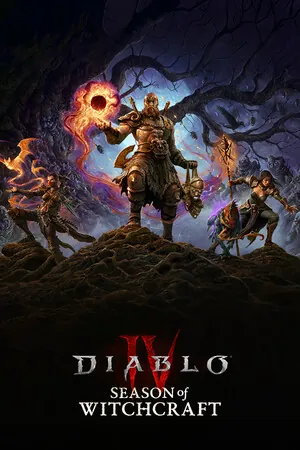
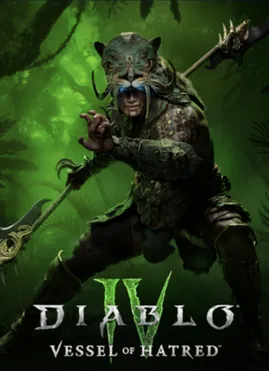
Alongside the main line came the mobile and PC free-to-play Diablo Immortal (2022), developed in collaboration with the Chinese studio NetEase, whose monetization model sparked extensive debate among players, and the remaster Diablo II: Resurrected (2021), which brought the original game to modern graphics without changing its mechanics. Diablo IV (2023) returned to a darker tone and a more open world with shared public zones, five classes ranging from Barbarian to Necromancer, and recurring seasonal content.
The series is widely credited with shaping the entire loot-based action-RPG genre — games like Path of Exile and Torchlight likely wouldn't exist without it — even though later entries also faced repeated criticism over online requirements and monetization. The combination of a randomized world, deep gear systems, and a straightforward chase for better loot still makes it one of the genre's most influential and imitated concepts.
Entries in the series (12)
-
-

Diablo: Hellfire · 1997
-
-
-
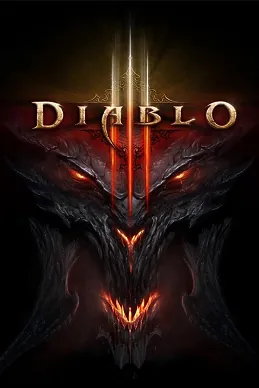
Diablo III · 2012
-
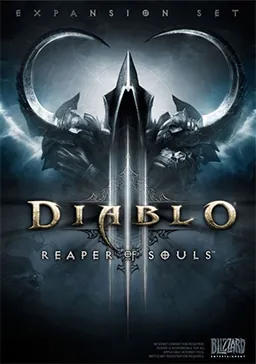
Diablo III: Reaper of Souls · 2014
-
-
-
-
Diablo Immortal · 2022
-
-
Diablo IV: Vessel of Hatred · 2024