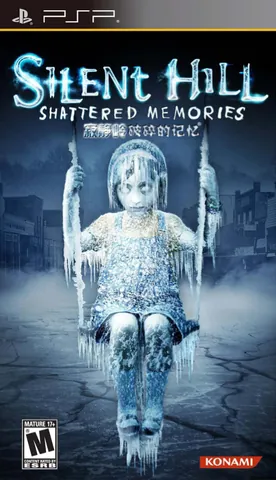
Silent Hill: Shattered Memories
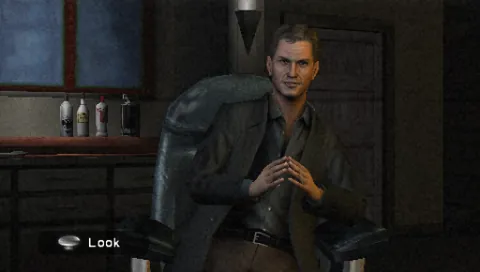
Silent Hill: Shattered Memories (2009) was one of the series' most distinctive entries – it wasn't a remake of the first Silent Hill in the usual sense, but a psychological reinterpretation of it, in which the player underwent sessions with a fictional therapist between chapters, and the game dynamically adjusted the characters' appearance and the story's tone based on the player's answers and behavior. Instead of fighting monsters, the main emphasis was on fleeing and solving puzzles in a snowy alternate version of the town of Silent Hill, into which the player would slip each time they got closer to uncovering another part of the truth about the protagonist's missing daughter. The atmosphere was further shaped by the music of the series' longtime composer, Akira Yamaoka, who remained true to the series' characteristic industrial sound even in this reinterpreted take on the story.
The portable version for the PlayStation Portable arrived in early 2010, alongside the release for the PlayStation 2, a few months after the original Wii version. It had to do without the Wii Remote's motion controls, which were used on Wii to aim the flashlight and examine objects – on the PSP, this was replaced with controls via the analog stick and buttons, which meant the game lost some of the immediacy of the original controls, though it remained just as smoothly playable.
Due to the handheld's performance, the PSP version was the graphically most modest of all releases – lower screen resolution, simplified textures, and somewhat longer loading times were the price for letting players go through the whole story away from home, on the road, or without a connection to a TV. However, the key mechanic of tracking the player's behavior and the nonlinear narrative with the same possible endings were preserved, so despite the technical compromises, the PSP version offered the same psychological experience as the other versions. The escape sequences from monsters in the dark "other world" were also preserved, albeit with slower controls on the handheld's small analog nub than what motion-based aiming offered on Wii.
Why play it: Despite being the graphically most modest of all versions, the PSP version offers the same psychological experience and nonlinear storytelling as at home on the big screen.
Game 65 of 122 for Sony PSP
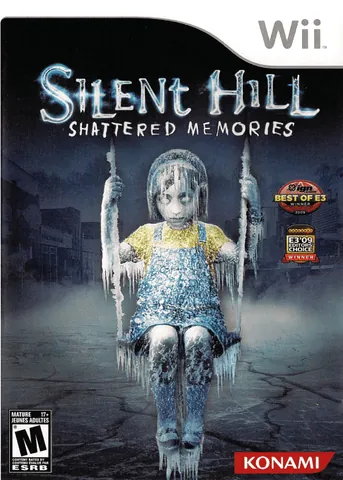
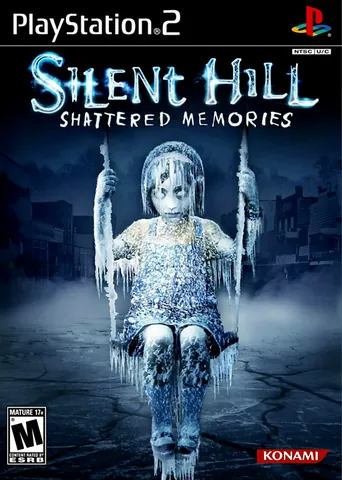
The same title elsewhere (2)
From the same series Silent Hill →
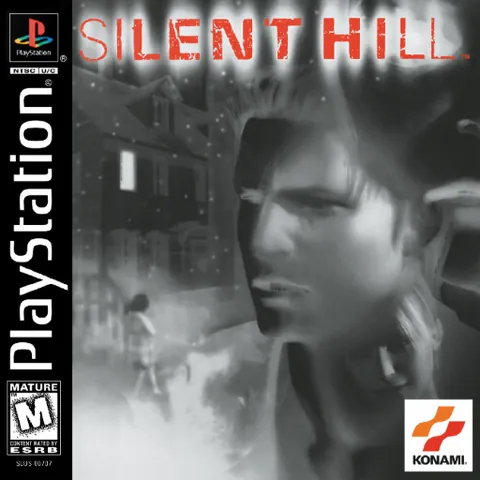 Silent Hill PS1 · 1999
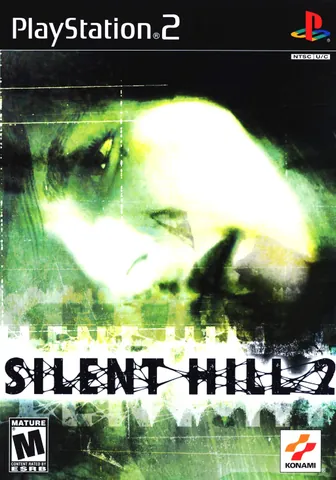 Silent Hill 2 PS2 · PS5 · 2001
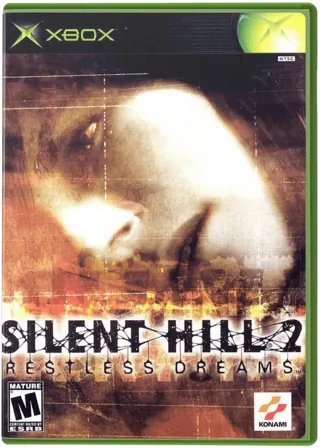 Silent Hill 2: Restless Dreams Xbox · 2001
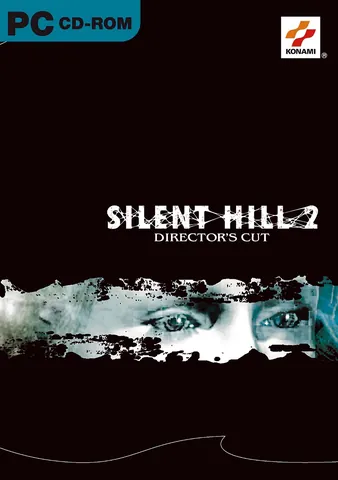 Silent Hill 2: Director's Cut Win9x · 2002
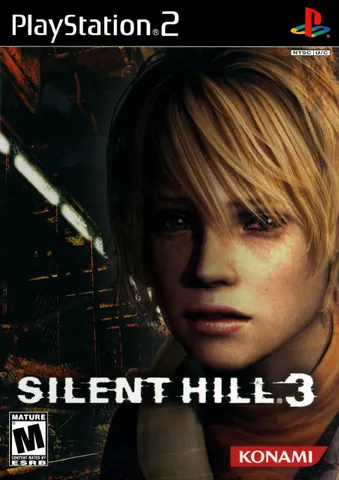 Silent Hill 3 PS2 · 2003
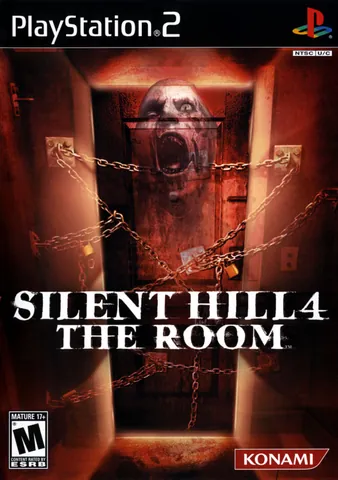 Silent Hill 4: The Room PS2 · 2004
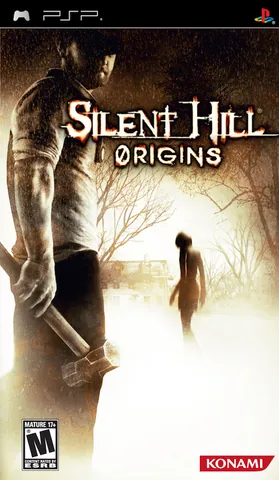 Silent Hill: Origins PSP · 2007
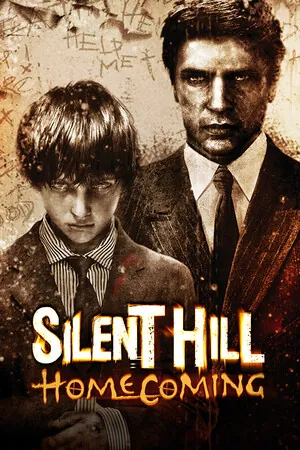 Silent Hill: Homecoming PS3 · 2008
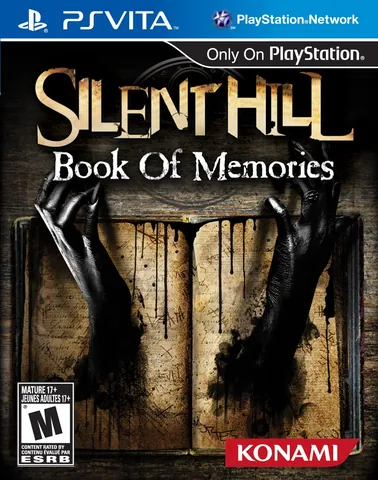 Silent Hill: Book of Memories Vita · 2012
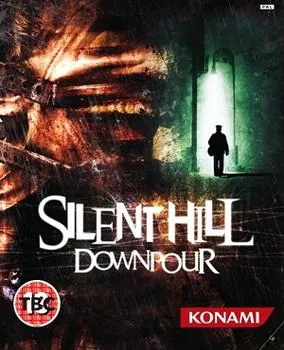 Silent Hill: Downpour PS3 · 2012
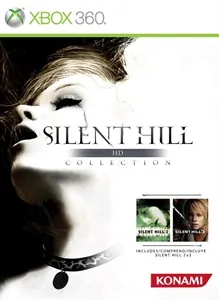 Silent Hill HD Collection PS3 · 2012
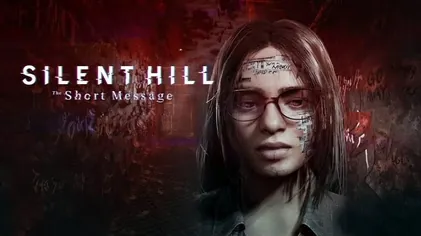 Silent Hill: The Short Message PS5 · 2024