Prince of Persia
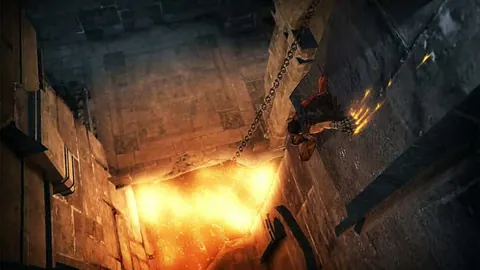
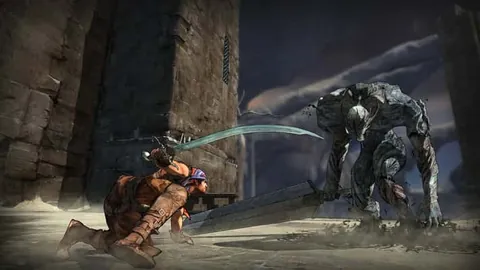
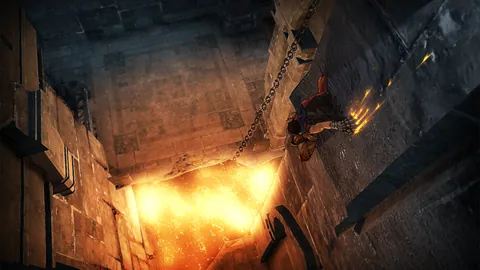
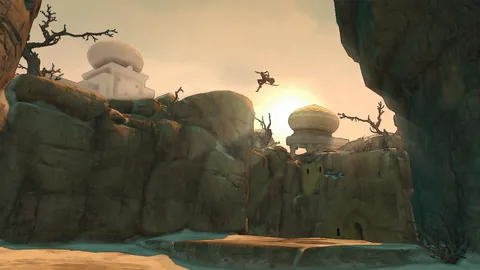
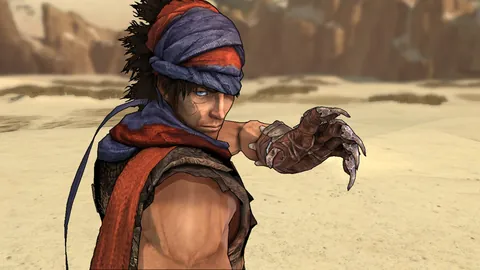
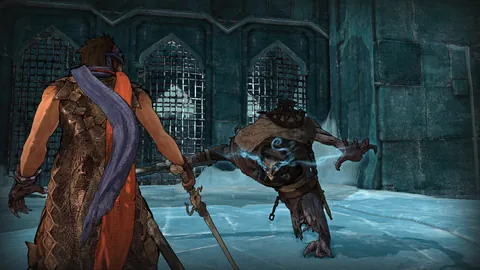
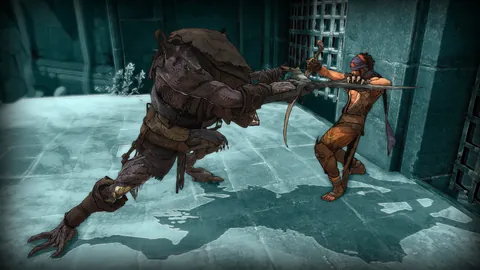
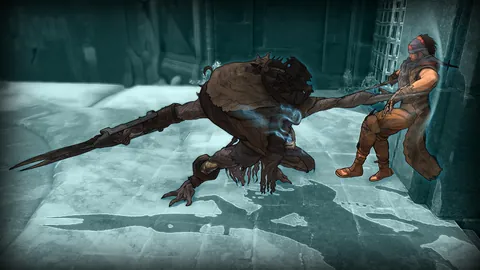
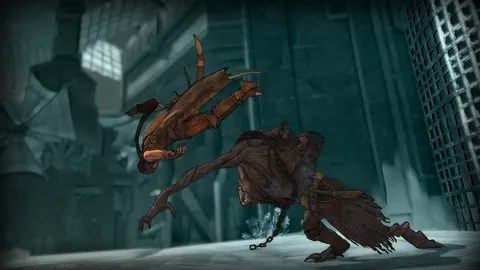
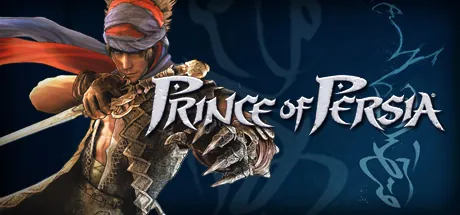
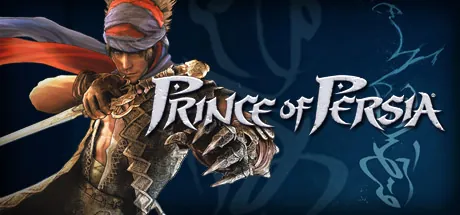
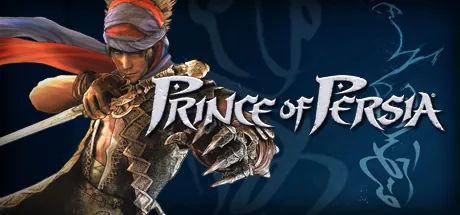
While the console versions of the 2008 Prince of Persia launched on Xbox 360 and PlayStation 3 back in December 2008, the PC version didn't arrive until January 2009. It was the same series reboot with a more open world, striking cel-shaded graphics resembling a painting, and an immortal prince accompanied by companion Elika, thanks to whom the game essentially dropped classic game-over screens and instead relied on smoothly repeating acrobatic sequences without punishing failure.
The PC version offered higher resolution and adjustable graphics detail, but the game was designed primarily around the gamepad - the acrobatic jumping sections and combat timing controlled noticeably worse on keyboard and mouse, and many players and reviewers recommended connecting a controller for the full experience. Content-wise, the PC version was identical to the console ones, including the later downloadable Epilogue expansion, which concluded the story and released on all three platforms without exception.
The month-long gap between the PC version and the console release was standard practice for Ubisoft at the time - the publisher preferred to release the console versions first, while the computer version underwent additional tuning, compatibility testing with a wider range of hardware, and optimization.
Nevertheless, many players ultimately chose gamepad control on PC voluntarily, since it precisely matched the console control scheme the animations and jump timing were tuned for, while the keyboard-and-mouse combination required players to get used to it considerably more.
Even with this limitation, the PC version was among the content-complete releases of the game - no game mechanic, area, or character was omitted compared to the consoles, which made it, despite its somewhat later launch, an equal alternative for players who preferred computers over consoles. The graphics settings also allowed the game to be tuned even on less powerful contemporary rigs, making it accessible to owners of more modest computers as well.
Why play it: For players who prefer computers over consoles - the PC version is content-complete, with no mechanic or area missing, and the graphics settings could be tuned even on more modest rigs.
Game 321 of 583 for PC / moderní (64bit a GPU)
The same title elsewhere (2)
The Amiga and Atari ST offered the smoothest animation, staying closest to Jordan Mechner's original Apple II code and preserving the famous rotoscoped running and jumping. Super Nintendo received reworked 16-bit graphics plus scenes and content missing from the original, so it's often ranked among the best versions overall. The NES version was a separate rework by another team and diverges noticeably from the computer original in look and feel. On Commodore 64 and Amstrad CPC, developers had to cut animation frames due to weaker processors, making the prince's movement feel choppier than on 16-bit machines. Game Boy offered only a monochrome screen and lower resolution, but the core game held up. SEGA Master System delivered a colorful, playable conversion with its own graphical style.
From the same series Prince of Persia →
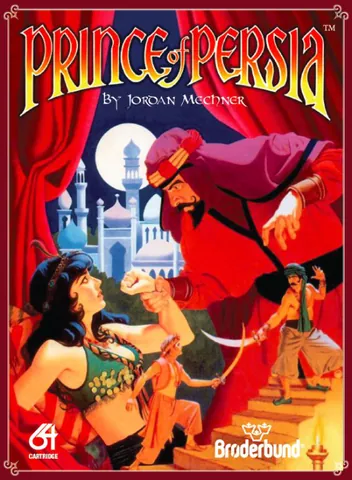 Prince of Persia C64 · CPC · Amiga · ST · SNES · MD · SMS · NES · GB
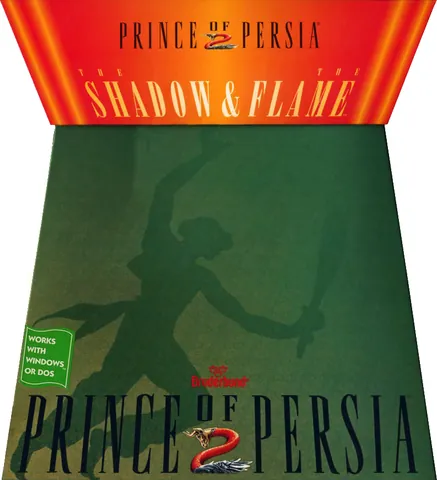 Prince of Persia 2: The Shadow and the Flame DOS · 1993
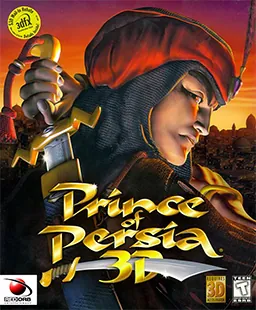 Prince of Persia 3D Win9x · 1999
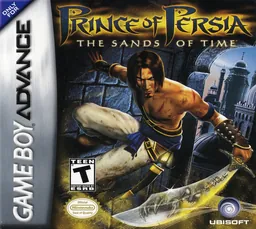 Prince of Persia: The Sands of Time GBA · PS2 · GCN · Xbox · 2003 Java ME Prince of Persia: Harem Adventures Java ME · 2003
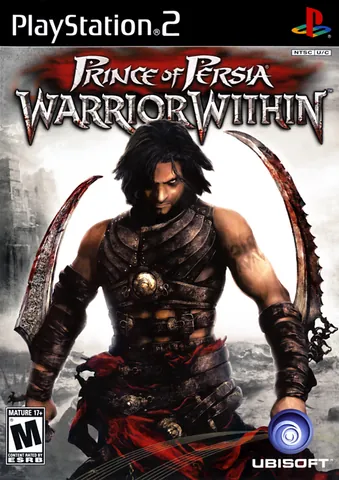 Prince of Persia: Warrior Within PS2 · Xbox · 2004
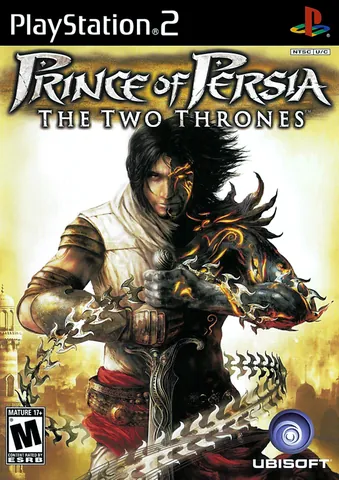 Prince of Persia: The Two Thrones PS2 · GCN · Xbox · PC · 2005
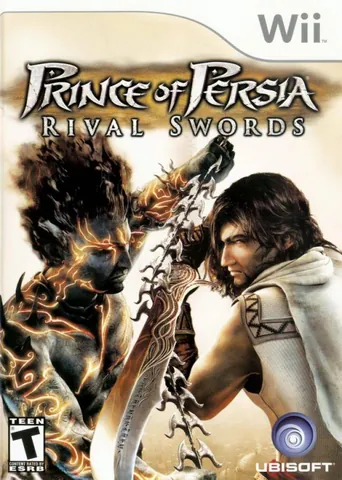 Prince of Persia: Rival Swords Wii · 2008
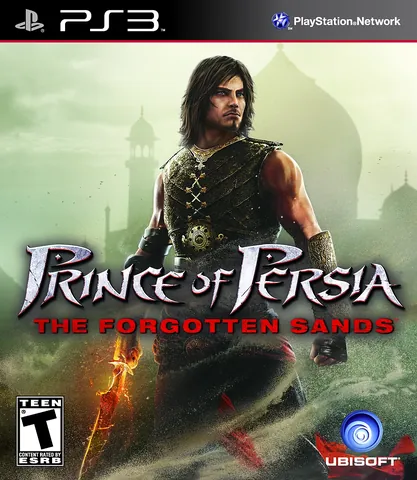 Prince of Persia: The Forgotten Sands PS3 · 2010
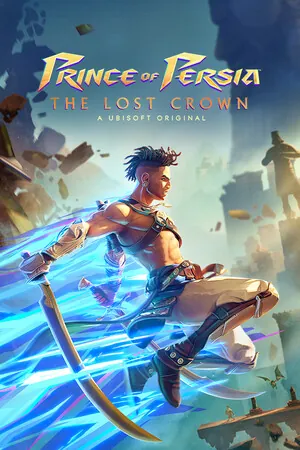 Prince of Persia: The Lost Crown PS5 · Series · 2024