Franchises
Dragon Quest
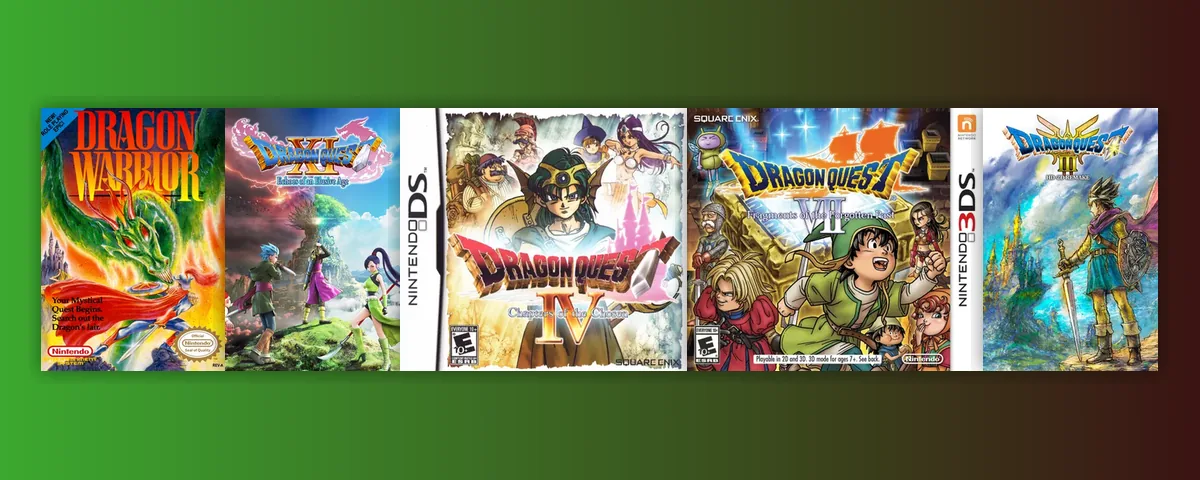
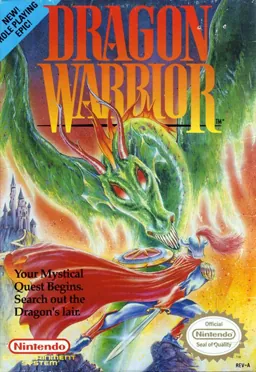
Dragon Quest began in Japan in 1986 under publisher Enix, as a deliberate attempt to translate the turn-based battles and quests of Western RPGs like Wizardry and Ultima into a form accessible to younger players and newcomers to the genre. Writer Yuji Horii bet on simple controls, a readable world map, humor and a fairy-tale sense of adventure, while artist Akira Toriyama designed the visual style and Koichi Sugiyama composed the music. That trio, alongside the publisher, defined the series for decades to come, and in Japan Dragon Quest became such a phenomenon that new releases drew queues outside shops and media attention comparable to major film premieres.
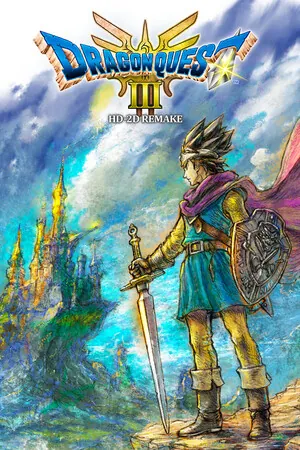
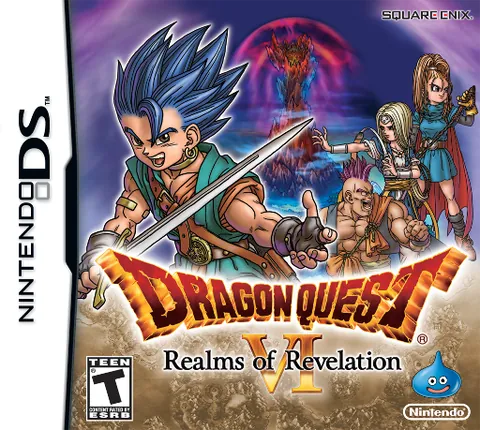
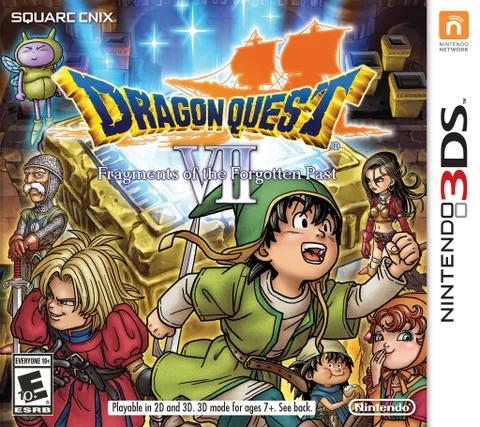
Across generations the series steadily expanded its class system and combat depth - Dragon Quest III introduced a vocation system for party members and is still seen as the point where the series settled into its classic shape. The Dragon Quest IV to VI trilogy on the Super Famicom deepened the storytelling with multi-chapter structures and parallel worlds, yet it stayed out of Western reach for years, as publishers hesitated over how distinctly Japanese the series' sensibilities were. Only later remakes and ports to handhelds such as the Game Boy Color, Game Boy Advance and Nintendo DS opened the older entries up to European and American audiences. Dragon Quest V was the first entry to let players recruit defeated monsters into their own party, a feature that became one of the series' most loved additions and was expanded in later entries and spin-offs.
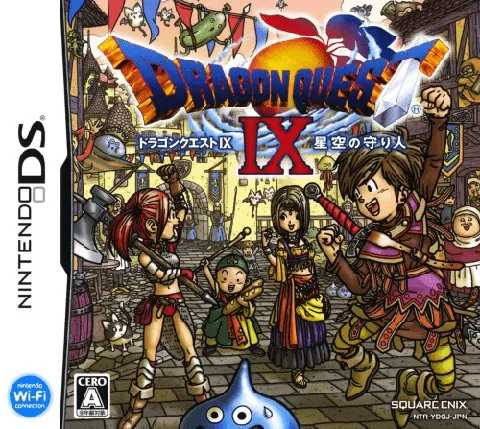
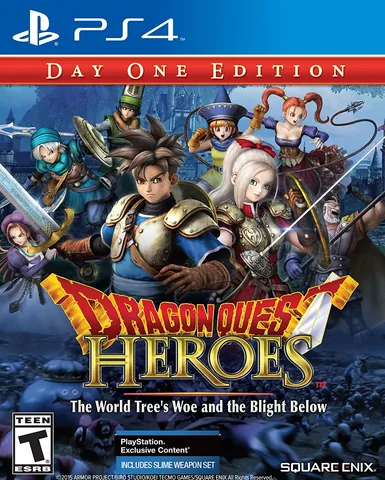
The move to full 3D came with Dragon Quest VIII on PlayStation 2, which paired a painterly cel-shaded world with traditional turn-based combat and became many non-Japanese players' first encounter with the series. Dragon Quest IX on the Nintendo DS then experimented with cooperative multiplayer and local quest-sharing, an unusual step for the mainline series. Alongside the numbered entries, the franchise branched into spin-offs - the action-focused Dragon Quest Heroes, the building game Dragon Quest Builders inspired by sandbox titles, and the monster-collecting Dragon Quest Monsters all showed the brand could support genres beyond pure turn-based RPGs.
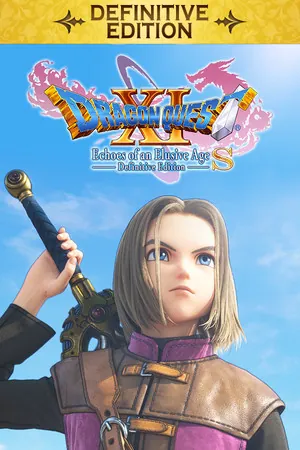
Dragon Quest XI from 2017 is now widely seen as the peak of the series' modern era - it returned to traditional values, offered a sprawling world, an optional switch to 16-bit-style visuals as a nod to the past, and rolled out across PS4, Switch and PC. Akira Toriyama contributed to the series' visual identity until his death in 2024, making the later entries a reminder of his long career alongside his work on Dragon Ball. The publisher itself merged with Square in 2003, placing Dragon Quest under the same roof as Final Fantasy without diluting its own identity.
Dragon Quest's influence on the JRPG genre is hard to overstate - it cemented conventions like random encounters in tall grass, saving at designated points, and the framing device of a king sending the hero on a quest, all later adopted by dozens of other series. Seventeen mainline entries spread across console generations and mobile phones also show a franchise that has balanced loyalty to tradition with cautious modernization, keeping it Japan's most popular RPG brand while steadily gaining firmer footing in the West in recent years.
Entries in the series (29)
-
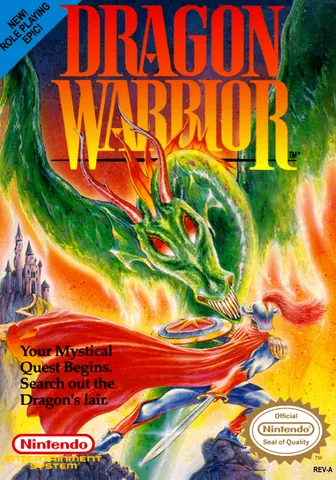
Dragon Warrior · 1986
-
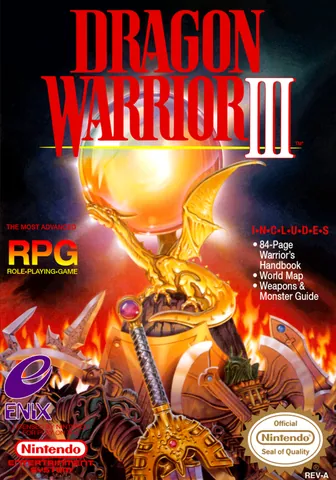
Dragon Warrior III / IV · 1988
- GB
Dragon Quest Monsters · 1998
-
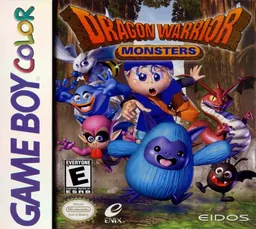
Dragon Warrior Monsters · 1998
-
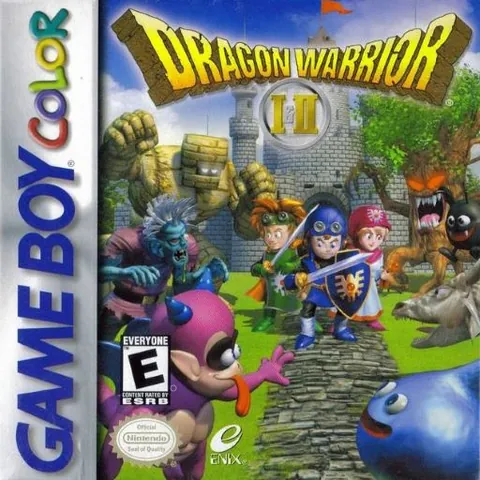
Dragon Warrior I & II / III · 1999
-
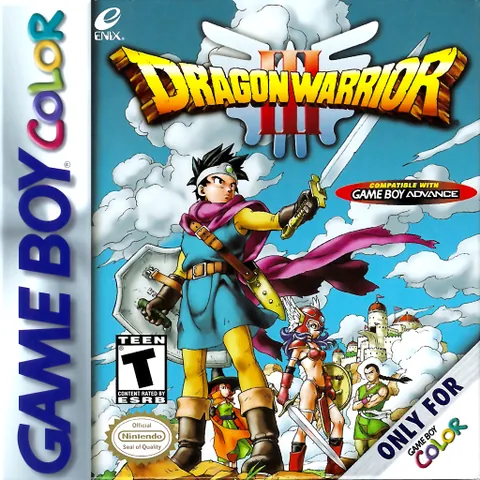
Dragon Warrior III · 2000
-
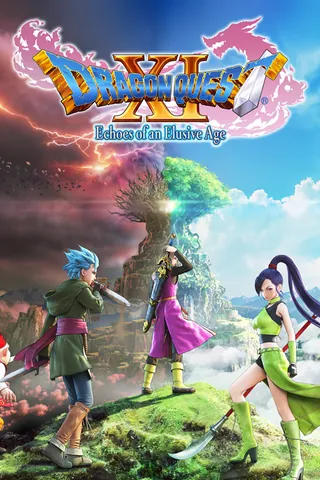
-
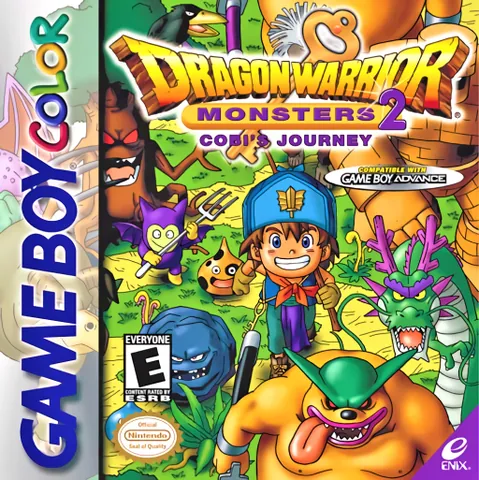
-
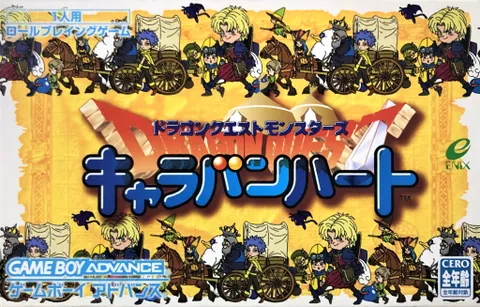
-
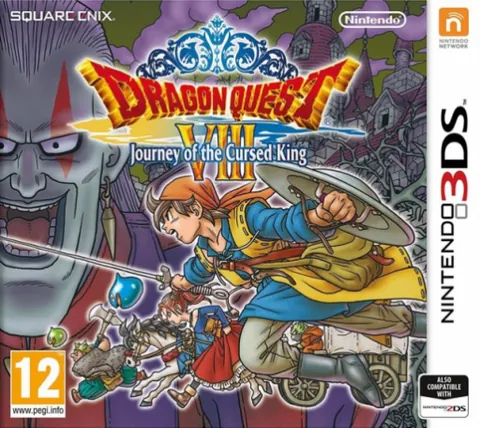
Dragon Quest VIII · 2004
-
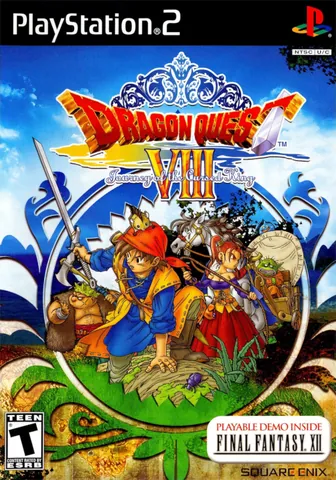
-
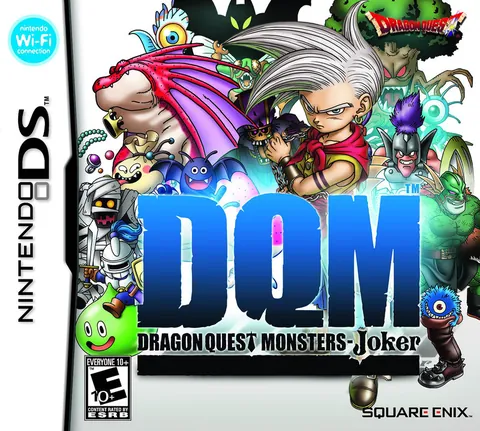
Dragon Quest Monsters: Joker · 2006
-
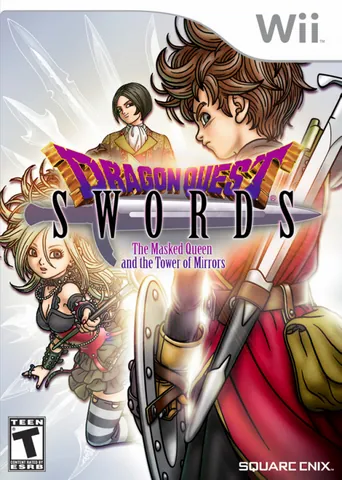
-
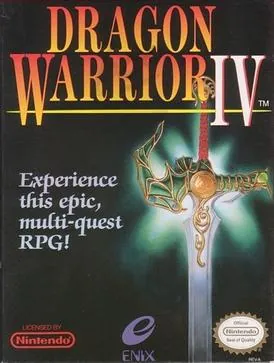
-
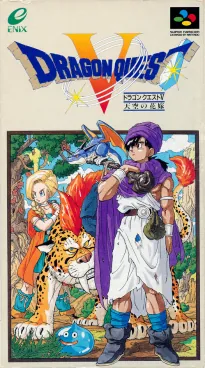
-
-
- Wii
Dragon Quest X · 2012
-
Dragon Quest · 2013
-
-
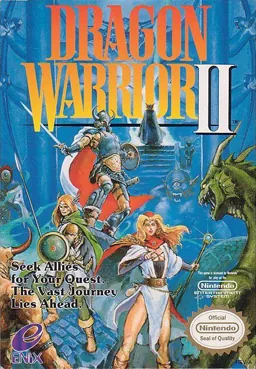
Dragon Quest II · 2014
-
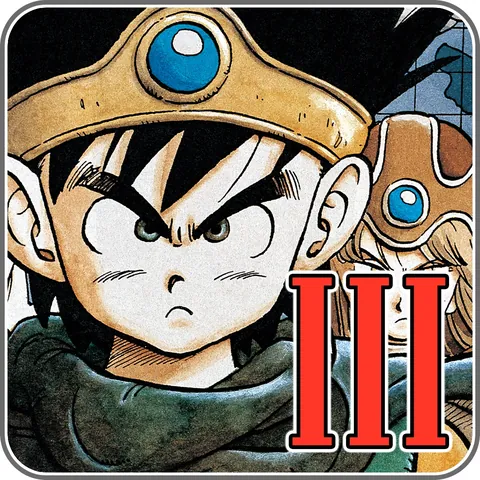
Dragon Quest III · 2014
-
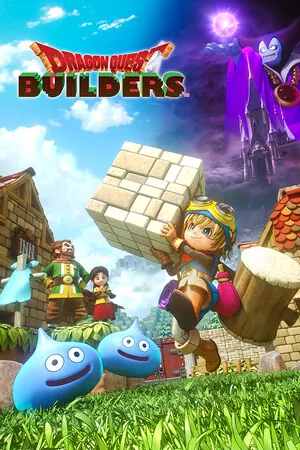
Dragon Quest Builders · 2016
-
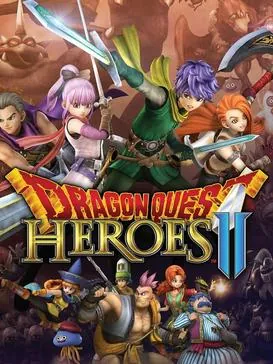
Dragon Quest Heroes II · 2016
-
-
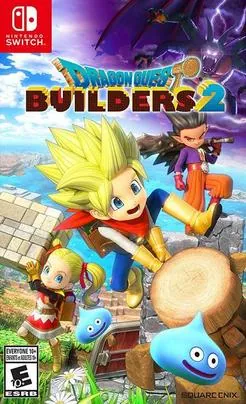
Dragon Quest Builders 2 · 2018
-
-
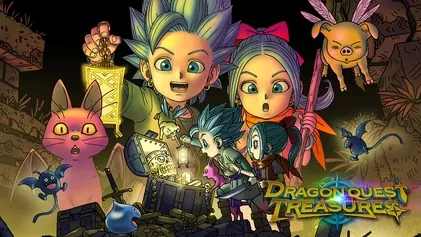
Dragon Quest Treasures · 2022
-