Lemmings
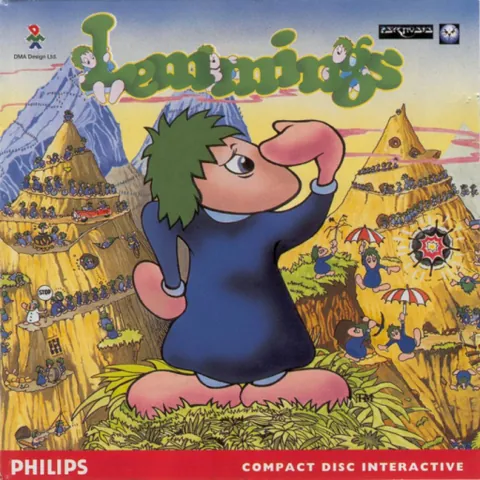
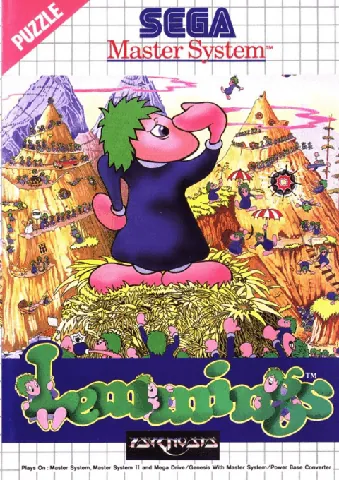
Little green-haired creatures march blindly forward, tumble into pits, walk into lava — and you're the only one who can save them. Lemmings by DMA Design, the studio that later became famous as the creator of Grand Theft Auto, is one of the cleverest puzzle games of all time, and one of this phenomenon's many ports made it onto the SEGA Master System.
The principle is ingeniously simple. A procession of lemmings pours out of a single hole, walking straight ahead on their own until they hit an obstacle or fall. Your task is to assign them roles — digger, builder, blocker, climber or bomber — and thereby dig, build or block a path to the exit. You have to save enough of them to meet the quota, and you often have only a limited number of abilities to choose from.
The beauty of Lemmings lies in how intricate puzzles are born from a simple premise. Each level is a little engineering challenge where you have to think ahead, juggle time and sacrifice individuals to save the whole. The game can be relaxing and devilishly frustrating within the span of a single mission.
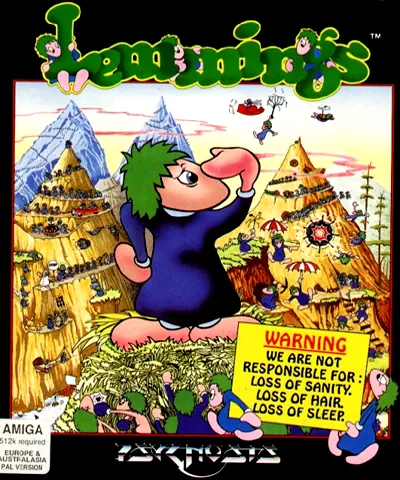
The original came out in 1991 on the Amiga and instantly became a hit, subsequently ported to just about every platform of the time, from PCs to consoles to handheld devices. This ubiquity made Lemmings a universally known classic and one of the first big successes of the future creators of GTA.
The Master System version adapted the controls to the joypad instead of the mouse, which changed the game, but the essence remained. For SEGA players it was a chance to experience a puzzle delicacy the whole gaming world was talking about.
Why play it: For timeless puzzle fun that makes you think, and for a cute but merciless world where every rescued lemming is a small victory.
Game 23 of 67 for SEGA Master System
The same title elsewhere (9)
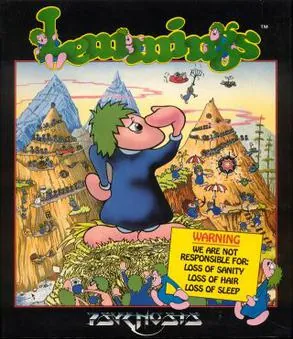
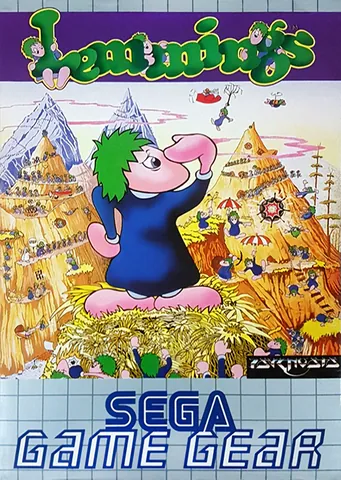
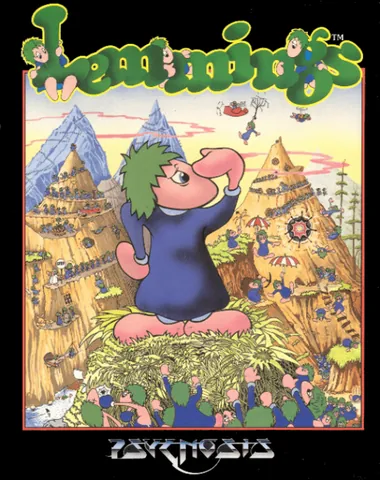
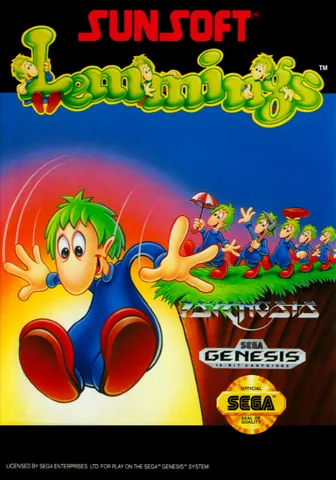
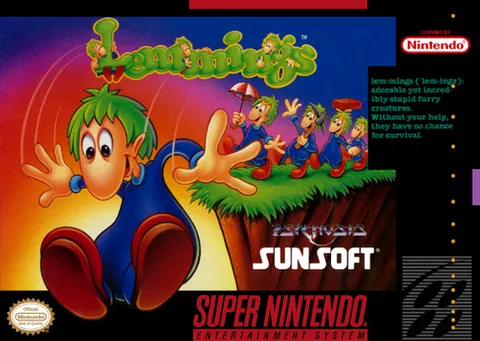
The Amiga is Lemmings' home platform and offers the reference version, with the full level count and smoothest mouse control. The DOS PC version stays very close, keeping mouse control equally precise, with EGA or VGA graphics only slightly adjusted. On the Commodore 64, developers had to split the game across multiple disks due to limited memory and reduce scrolling smoothness, yet preserved most levels. Portable versions for Game Boy and SEGA Game Gear suffer from small screen resolution — in hectic scenes with a hundred lemmings on screen it's hard to keep track, and D-pad control never quite matches mouse precision. On SEGA Mega Drive and Super Nintendo you play with a gamepad cursor, slower than a mouse, but both are colorful and include most original puzzles.