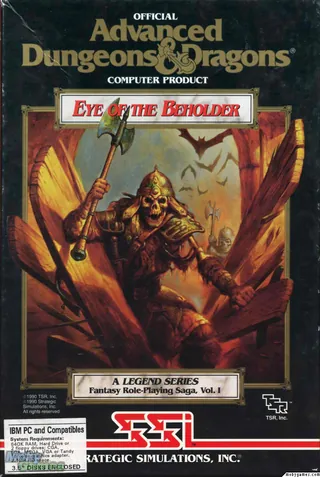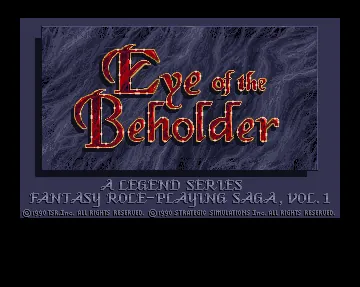
Eye of the Beholder
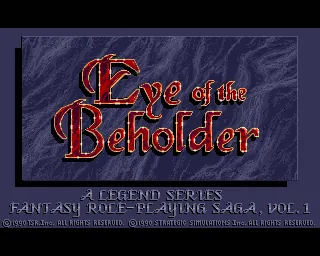
The darkness of a corridor, a flickering torch and, around the corner, something that growls before you spot it. Eye of the Beholder pulls you into an underground from which you will not easily escape, and on the Amiga it was one of the most atmospheric RPG experiences of its time. This dungeon crawler built on the Advanced Dungeons & Dragons rules pushed the genre of first-person labyrinths a great step forward.
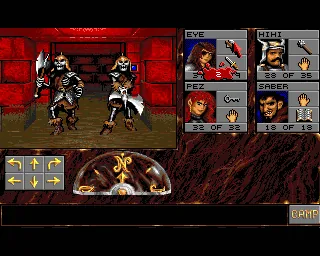
The game's mechanics put you in the role of a four-member party of adventurers who chew their way through the layers of the underground beneath the city of Waterdeep. Movement is step-by-step, tile by tile, the view is first-person, and combat takes place in real time, when you click on the characters' weapons in the lower part of the screen. Added to that is solving puzzles and searching for hidden switches, buttons and traps. It was precisely this combination of exploration, tactical combat and constant tension that made this game an absorbing experience.
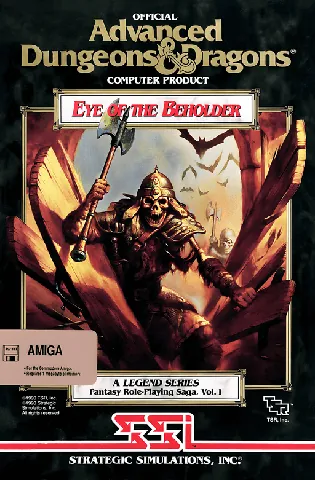
Eye of the Beholder was created at Westwood Associates, later famous under the name Westwood Studios, and was released under the SSI label, which at the time held the license for computer adaptations of Dungeons & Dragons. Westwood soon became one of the most respected developers, and Eye of the Beholder was one of the titles that built its reputation. The Amiga version benefited from colorful graphics and detailed underground textures.
The game's cultural significance is considerable. Eye of the Beholder built on the legacy of dungeon crawlers like Dungeon Master and moved the genre's presentation closer to what players expected from the AD&D brand. The game gave rise to sequels and became one of the pillars of the golden era of licensed D&D games on computers in the early nineties.
Today Eye of the Beholder remains a beloved classic for fans of old-school RPGs. Its underground still breathes atmosphere and its puzzles can still give you a real headache.
Why play: For an absorbing expedition into a dark underground in the spirit of classic Dungeons & Dragons, where every step could be your last.
Game 65 of 121 for Commodore Amiga
The same title elsewhere (1)
Eye of the Beholder was built primarily for PC/DOS, where it ran in VGA graphics with support for sound cards like AdLib or Sound Blaster and offered smooth transitions between the dungeon's corridors. The Amiga port reached the European market a little later and had to cope with a different machine architecture — frequent disk reloading led to longer pauses between screens, and moving through the maze felt somewhat less snappy than on DOS. The Amiga's audio, thanks to its Paula chip, sounds pleasant and adds to the atmosphere, but because of slower loading and less fluid mouse control the PC/DOS original is generally regarded today as the definitive version.