Game studio
Westwood Studios
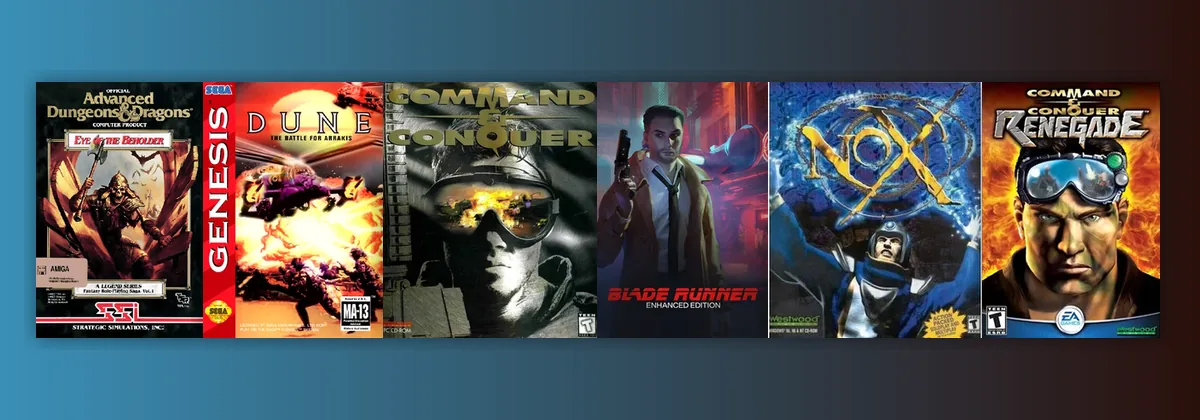
If there is a studio whose imprint is felt by anyone who ever built a base, harvested resources and sent tanks against the enemy, it is Westwood Studios. These enthusiasts from desert Las Vegas essentially invented modern real-time strategy in the form we know today, and before that they dragged us into the darkest dungeons that eight-bit and sixteen-bit computers were able to render. For retro gamers, Westwood is synonymous with the golden era of PC games: a combination of technical daring, music that burrowed into memory, and game design that was ahead of its time. It is no accident that their classics still run today on emulators as well as in modern remasters.
History
The studio was founded in 1985 under the name Westwood Associates in Las Vegas, and at its birth stood two men who would shape entire genres: Brett Sperry and Louis Castle. They started modestly, porting and developing games for other publishers, but they soon built a reputation as a reliable and inventive team.
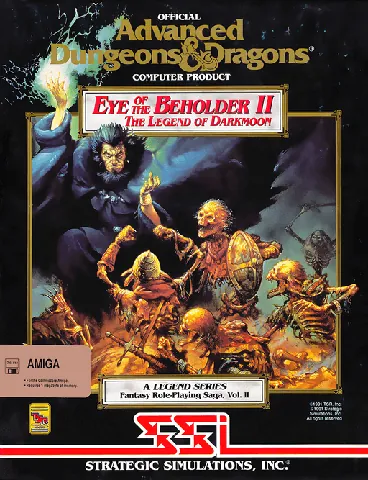
They left their first big mark in the dungeon crawler genre. Eye of the Beholder (Amiga, 1991) brought the rules of Advanced Dungeons & Dragons into a smooth first-person view and instantly became a benchmark of the genre. That same year came the sequel Eye of the Beholder II: The Legend of Darkmoon (Amiga, 1991), which many still consider the peak of the series, whether for its atmosphere or for its more ingenious puzzles and battles.
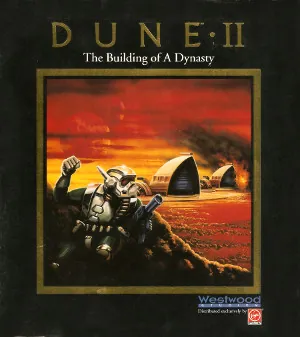
The real turning point, however, came in 1992 with the game Dune II: The Building of a Dynasty (Amiga, 1992). It loosely followed the world of Frank Herbert, but it entered history for something else: it defined the template of modern real-time strategy. Harvesting resources (the precious spice), building a base, producing units and controlling with a mouse in real time — everything we take for granted today was here assembled together by Westwood for the first time in a coherent way.
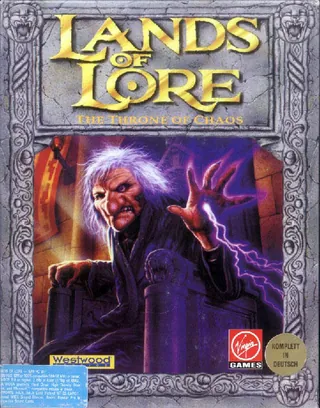
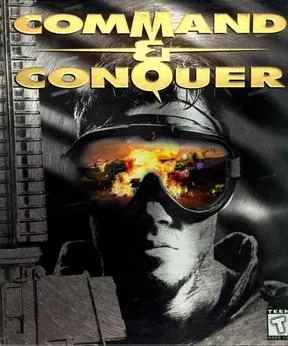
On this foundation the studio then built its most famous legacy. In 1995 came Command & Conquer, which transformed the principles from Dune II into a full-fledged strategy series with cult live-action video sequences and two rival factions. A year later followed Command & Conquer: Red Alert (1996), an alternate history of the Cold War that won an enormous fan base. At the same time Westwood did not forget its RPG roots and developed the Lands of Lore series, beginning with Lands of Lore: The Throne of Chaos (1993).
Key figures
At the head of the studio throughout stood its founders. Brett Sperry was the driving engine of vision and game design — he is even credited with the very name Command & Conquer. Louis Castle established himself as the technological and creative leader who helped the studio push the boundaries of what the computers of the day could handle.
No memory of Westwood, however, is complete without Frank Klepacki. This composer and musician gave the Command & Conquer and Red Alert series their unmistakable sound — an energetic mix of rock, industrial and electronica. His track "Hell March" from Red Alert ranks among the most iconic game music ever and to this day gives goosebumps to everyone who ever commanded both Soviet and Allied armies.
Transformations and transfers
Like many successful studios, Westwood too passed through several owners. First it came under the wing of the publisher Virgin Interactive, which was behind the release of its flagship titles in the 1990s. The real turning point in the ownership structure came in 1998, when the studio was bought by the gaming giant Electronic Arts.
The merger with EA brought the backing of a large publisher, but also gradual tension. In 2003 Electronic Arts closed the Westwood studio and absorbed part of its creative legacy into its own teams. For many fans it was the sad end of an era. The development talent, however, did not vanish — new studios emerged from the ranks of former employees, among them Petroglyph Games and Jet Set Games, which went on to develop strategic and other gaming traditions in their own projects.
The present
Westwood Studios as a company has not existed since 2003, but its legacy lives on, and surprisingly strongly. The real-time strategy genre, which the studio practically co-created, has influenced hundreds of games, and entire successor studios stand on people who once passed through the desert offices in Las Vegas (as of 2026).
For the retro community an important moment was the year 2020, when the Command & Conquer Remastered Collection was released — a carefully renovated edition of the original Command & Conquer and Red Alert, which Louis Castle also helped work on and which delighted veterans and a new generation of players alike. It is a beautiful proof that good design does not age: whether today you launch Eye of the Beholder on an emulated Amiga or build refineries in Dune II, you are reaching for games that wrote history. And that is precisely why Westwood Studios has never quite closed its gates in the hearts of retro gamers.
Games by the studio (21)
-
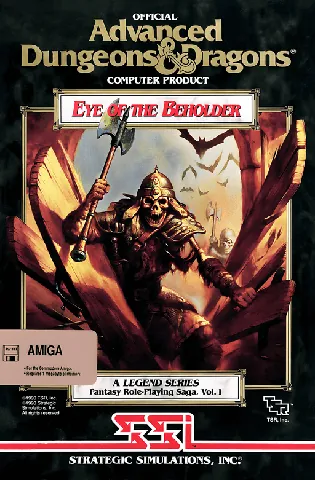
Eye of the Beholder · 1991
-
-
-
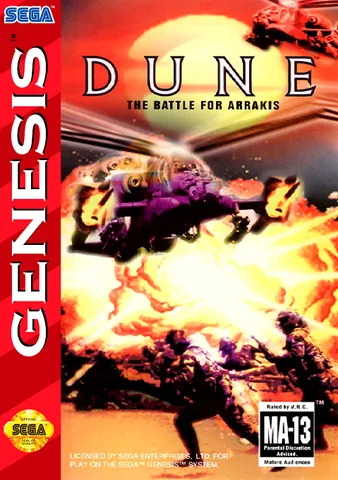
Dune: The Battle for Arrakis · 1993
-
-

The Lion King · 1994
-

Command & Conquer · 1995
-

-

Blade Runner · 1997
-
-

-

-
-
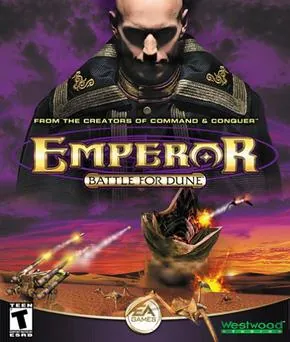
Emperor: Battle for Dune · 2001
-

Command & Conquer: Renegade · 2002