Super Stardust
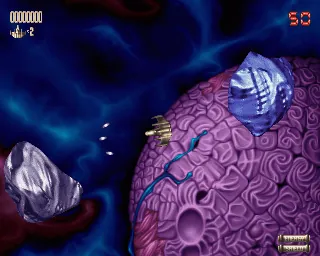
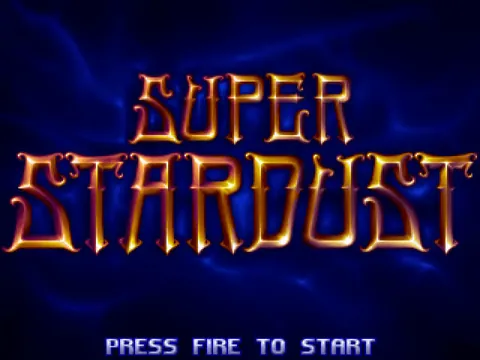
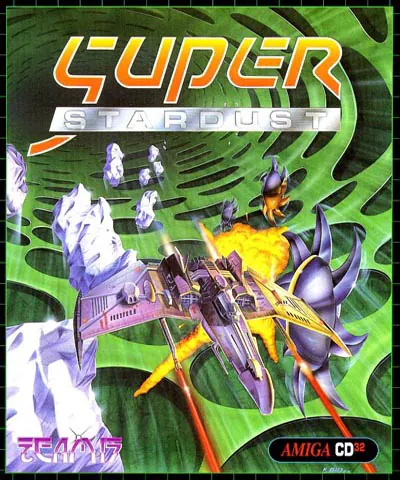
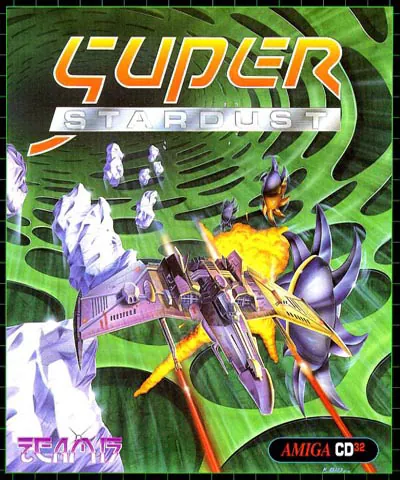
Take the ancient concept of Asteroids, dress it in glittering 3D-rendered graphics, and hurl it at full speed into the Finnish hands of the Bloodhouse studio — and you get Super Stardust, one of the Amiga's technical showpieces of 1994. You rotate a ship in the middle of the screen, shooting at rolling asteroids that shatter into smaller fragments, trying to stay alive amid a thickening chaos of rock and enemy craft.
What sets the game apart from a mere clone is its presentation and pace. The asteroids are gorgeously pre-rendered into a three-dimensional look, the explosions burst with color, and between rounds await adrenaline-charged bonus tunnel stages in which you plunge straight into the depth of the screen and dodge obstacles at full throttle. It was precisely this combination of classic arcade mechanics and technical flair that made the Amiga a machine worth showing off to friends.
Super Stardust laid the foundation for a brand that the Finnish authors (later under the Housemarque banner) carried all the way to the modern Super Stardust HD on the PlayStation. On the Amiga it remains proof that even a notoriously familiar idea can be charged with new energy — a fast, beautiful, and uncompromisingly addictive shmup.
Game 71 of 121 for Commodore Amiga
The same title elsewhere (2)
Both versions run on the same type of Amiga hardware with the AGA chipset, so visually it's essentially the same game, with your ship spinning in the centre of the screen against a flashy 3D-rendered backdrop. The main difference lies in the medium and the sound: the classic floppy-disk version for Commodore Amiga used tracker music, while the Amiga CD32 release drew on the CD and could offer a higher-quality soundtrack unconstrained by floppy disk size. Controls, speed and difficulty stay the same, so the choice makes no difference to the gameplay itself; the CD32 version simply has the edge in music production.