WHAT TO PLAY
Metroidvanias
44 games in the catalog
A metroidvania is an action platformer in which the world is not a string of separate levels but one connected map. Most routes start out closed: a jump that is too high, a door that will not open, water you cannot swim through. A new ability or item unlocks the spot, and the player goes back to a place they have already seen, now able to read it differently. Memory, orientation and a willingness to experiment end up counting for more than fast fingers.
The name came later and joins two series: Nintendo's Metroid (1986) and Konami's Castlevania. Metroid contributed isolation and a world built around abilities; from Symphony of the Night (1997) on, Castlevania added a character with levels, equipment and a huge castle full of secrets.
The genre has lasted because it fits a small team. All it takes is a well-planned map, an idea of what to lock it with, and 2D graphics that do not age. That is why, alongside big studios, single developers make them today.
Today (2015 onwards)
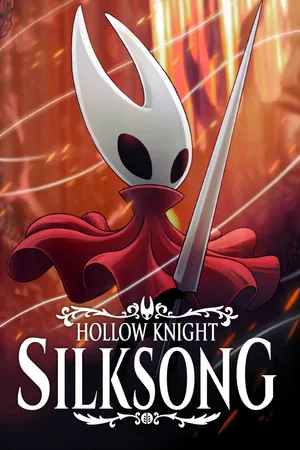
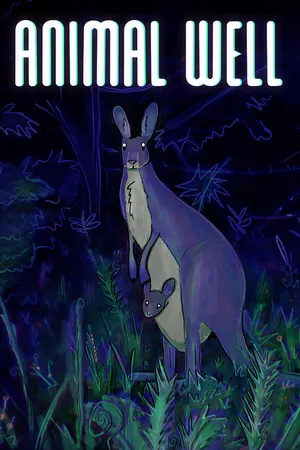
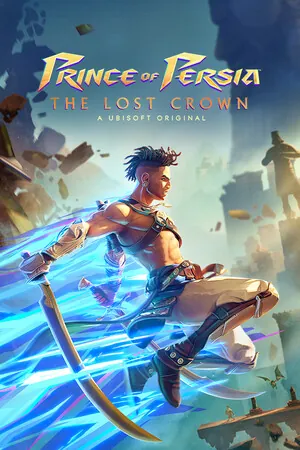
16 games in the catalogSince 2015 the genre has been mainly the domain of independent developers. Axiom Verge (2015) was made by a single author as a tribute to Metroid, while Hollow Knight (2017) from Team Cherry added boss fights and a huge hand-drawn underworld. Blasphemous (2019) gave the genre a Spanish Passion-procession aesthetic. Big publishers returned with their own attempts, such as Ubisoft's Prince of Persia: The Lost Crown (2024), and Silksong (2025) followed up on Hollow Knight's success. Locks now hide in jumps, movement and the player's own knowledge, and Animal Well (2024) manages without conventional weapons.
 PS4
Hollow Knight: Silksong
The long-awaited sequel to the cult metroidvania, this time in the role of the agile hunter Hornet.
 PC
ANIMAL WELL
A combat-free metroidvania from a solo developer; puzzles are solved with strange tools, not weapons.
 PS5
Prince of Persia: The Lost Crown
The series returns to acrobatic platforming, this time as a full-blooded metroidvania.
 PS4
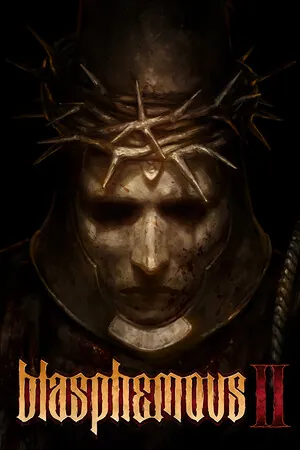
Blasphemous 2
Ceněná gotická metroidvania dorazila i na PS4, přes dva měsíce po ostatních platformách.
 Switch
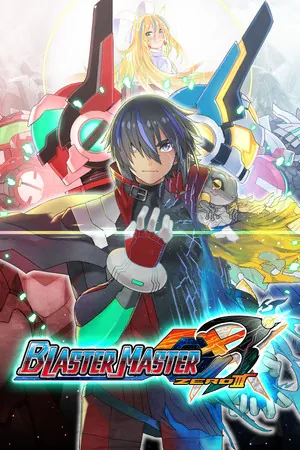
Blaster Master Zero 3
The conclusion of the trilogy with the series' most open world yet and the ability to take control of defeated enemies.
 NES
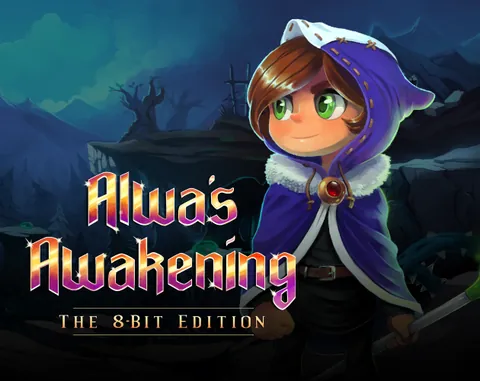
Alwa's Awakening: The 8-Bit Edition
A genuine NES port of the metroidvania Alwa's Awakening; it feels as if it were made back in 1990.
 PC
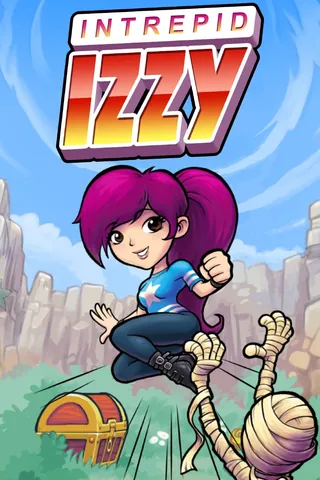
Intrepid Izzy
Metroidvania na kosteti, ktera na PC bezi presne tak rychle, jak ji autori navrhli.
 XONE
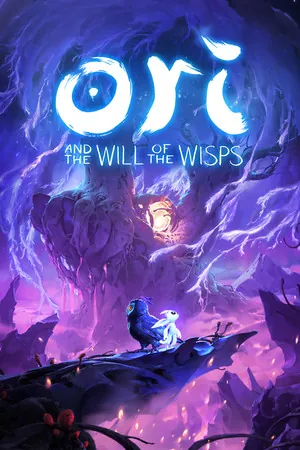
Ori and the Will of the Wisps
It follows up with a bigger world and a more mature story; empathy works even for the villain.
 Switch
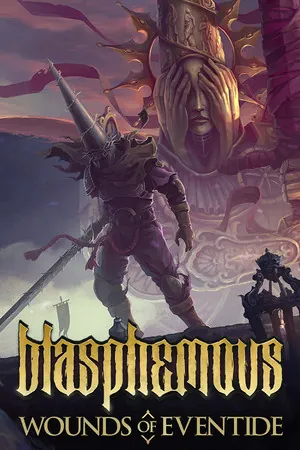
Blasphemous
A dark pixel metroidvania with baroque religiosity and painful Spanish iconography.
 Switch
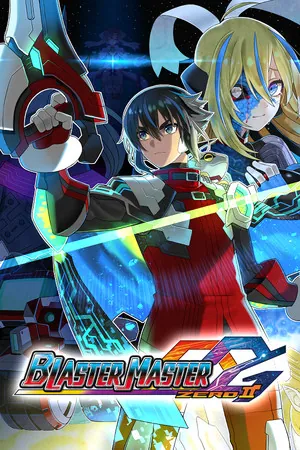
Blaster Master Zero 2
A rescue mission to an alien planet expands the tank SOPHIA III with flight, a submarine mode, and ceiling driving.
 PS4
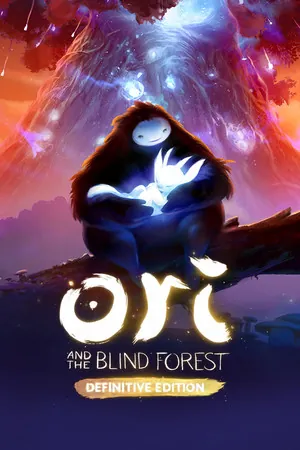
Ori and the Blind Forest: Definitive Edition
One of the most beautiful 2D stories of its generation; a metroidvania told without words.
 3DS
Blaster Master Zero
A modern tribute to the NES classic – on foot with a pistol, or in a tank that climbs walls.
The HD generation (2005–2014)
6 games in the catalogFrom 2005 to 2014 the genre was carried mainly by the Nintendo DS. The touch screen served as a permanent map, so Dawn of Sorrow (2005) and Portrait of Ruin (2006) could keep sprawling castles easy to follow. Order of Ecclesia (2008) split the world into separate areas. At the same time, digital storefronts opened a path to players for small studios: Canada's Guacamelee! (2013) combined the map with wrestling-style combos and switching between two worlds. The term metroidvania settled in during this period.
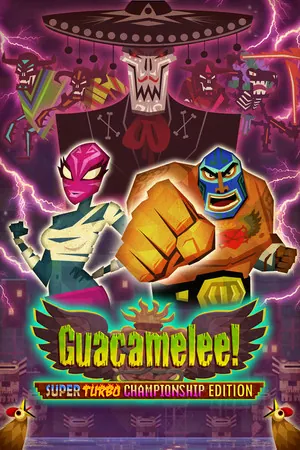 PS4
Guacamelee! Super Turbo Championship Edition
A metroidvania drawn from Mexican folklore; a farmer puts on a magic mask and becomes a luchador.
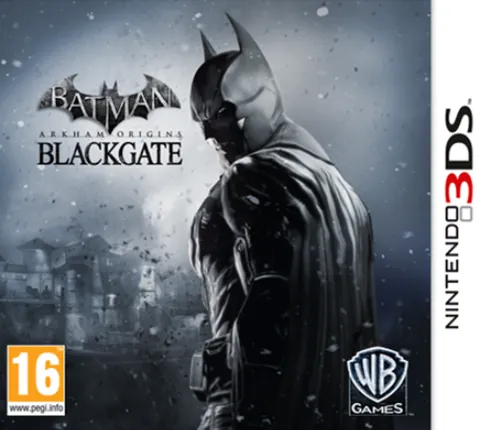 3DS
Batman: Arkham Origins Blackgate
Picks up a few weeks after Origins in Blackgate Prison, where three gangs converge at once.
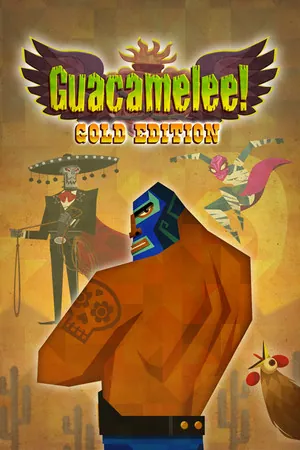 Vita
Guacamelee!
A metroidvania dressed in Mexican folklore; luchador masks, humor, and brawls.
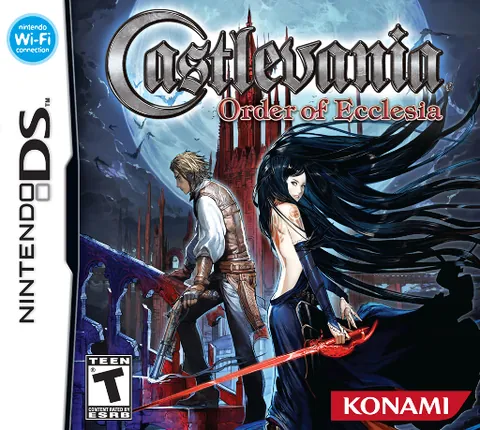 DS
Castlevania: Order of Ecclesia
The darkest of the three DS Castlevania games; a glyph system replaces classic weapons and spells.
 DS
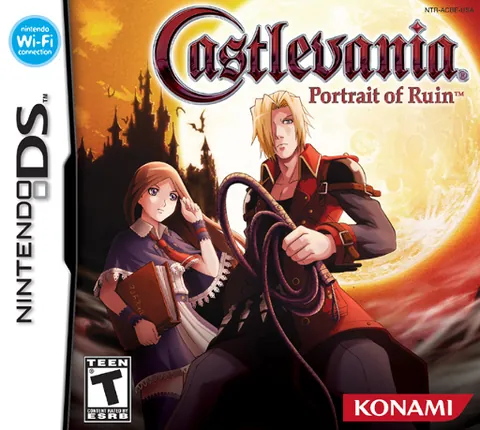
Castlevania: Portrait of Ruin
Two heroes jump through painted portraits into separate themed worlds.
 DS
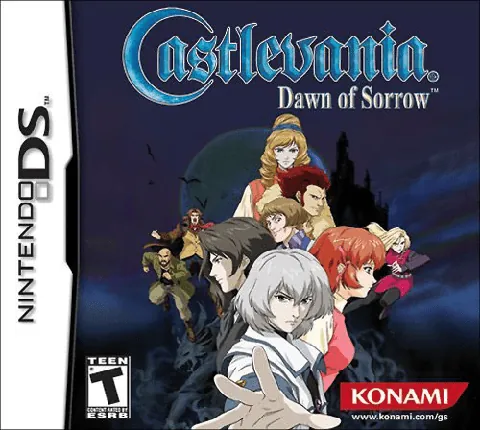
Castlevania: Dawn of Sorrow
A sequel to Aria of Sorrow with the soul system; the first Castlevania on the Nintendo DS.
The arrival of 3D (1995–2004)
10 games in the catalogWhile the big consoles moved to 3D, the genre survived in 2D and took root mainly on handhelds. The turning point was Symphony of the Night (1997), which turned the castle into an RPG with levels, gear and spells. The series then carried on across the Game Boy Advance, for example Aria of Sorrow (2003), where enemy souls act as collectable abilities. Metroid Fusion (2002) steered the player more firmly with missions and story. Outside the big studios came Cave Story (2004), a one-person game released as a free download.
 PC
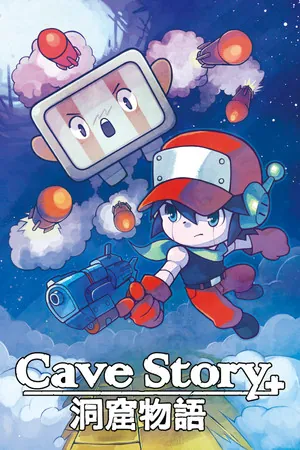
Cave Story
Zdarma šířená mistrovská plošinovka, kterou sám naprogramoval a namaloval jeden člověk.
 GBA
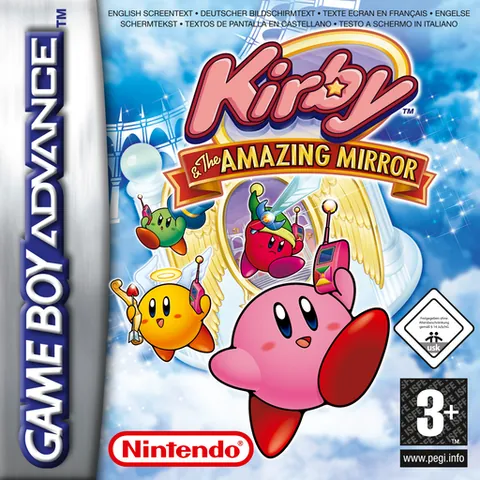
Kirby & the Amazing Mirror
Kirby with an open, interconnected map; a metroidvania flavor.
 GBA
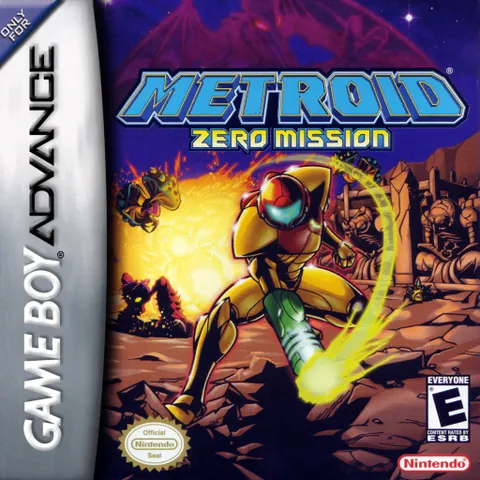
Metroid: Zero Mission
A remake of the original Metroid; perhaps the best entry point into the series.
 GBA
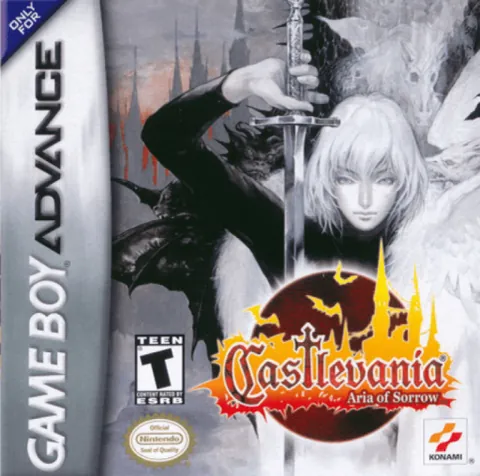
Castlevania: Aria of Sorrow
The pinnacle of the GBA Castlevanias; the enemy-soul system is genius.
 GBA
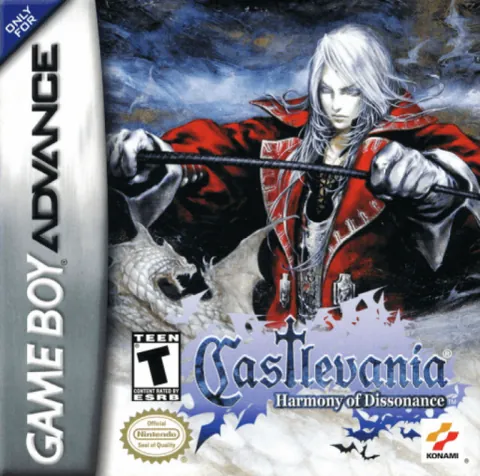
Castlevania: Harmony of Dissonance
Two more excellent metroidvanias; together with Aria, the holy trinity.
 GBA
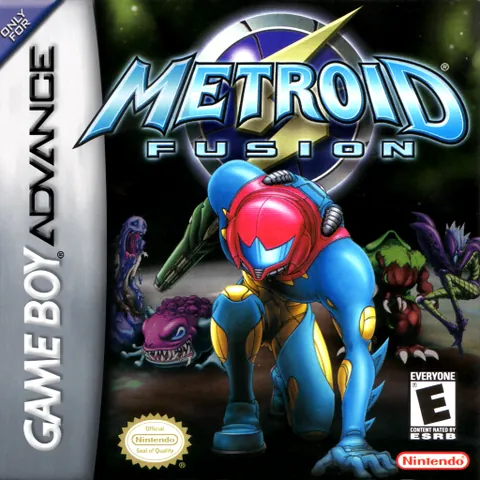
Metroid Fusion
A tighter, more story-driven Metroid full of tension; excellent.
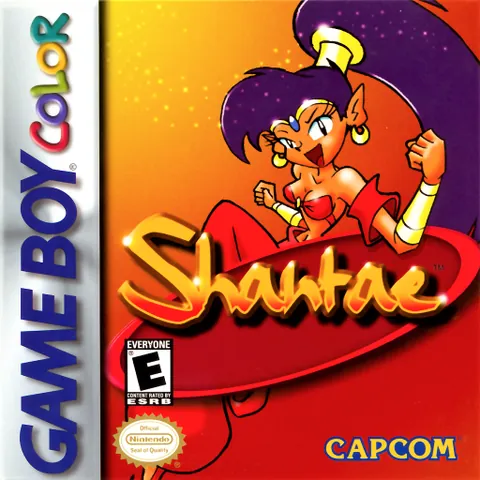 GBC
Shantae
A technical miracle at the end of the GBC era; today rare and collectible-expensive. A charming metroidvania.
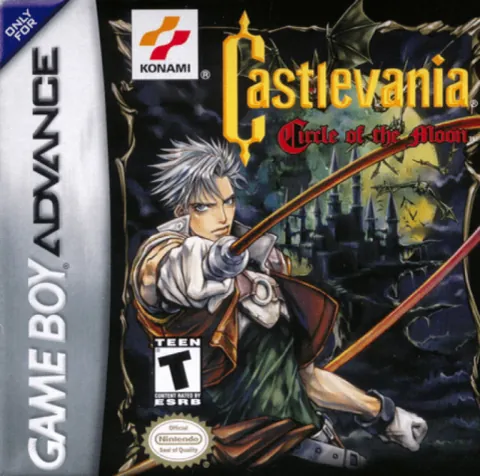 GBA
Castlevania: Circle of the Moon
A GBA launch title and a full-blooded metroidvania in the style of Symphony of the Night.
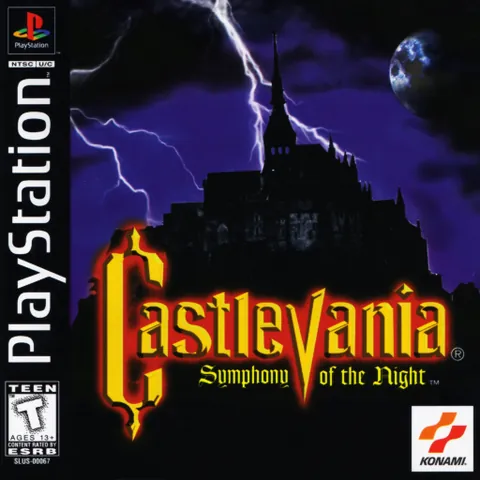 PS1
Castlevania: Symphony of the Night
The game the metroidvania genre was named after; a castle full of secret passages.
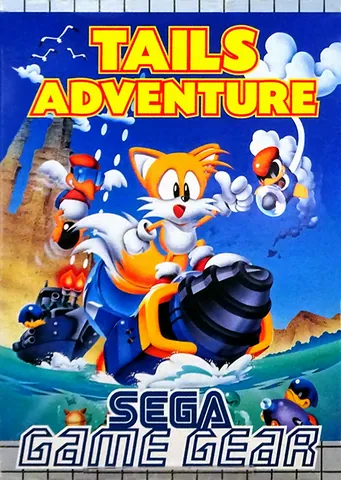 GG
Tails Adventure
A slower, exploration-focused Sonic spin-off with a metroidvania flavor.
8- and 16-bit (1986–1994)
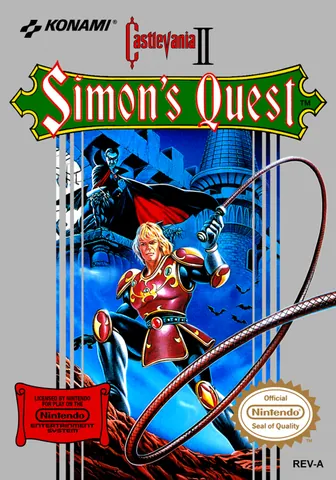
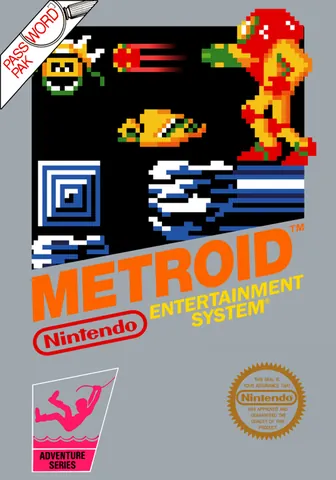
6 games in the catalogThe groundwork was laid on 8-bit machines. Metroid (1986) built the game on one large map and on items that open new routes; players drew their own maps. Castlevania II (1987) added towns, shops and a day-and-night cycle, though its vague hints spoiled a lot of it. Wonder Boy in Monster Land (1988) combined platforming with buying equipment. On 16-bit hardware, Super Metroid (1994) then showed how to polish ability-gating: an automap that records explored rooms and a world that opens up step by step.
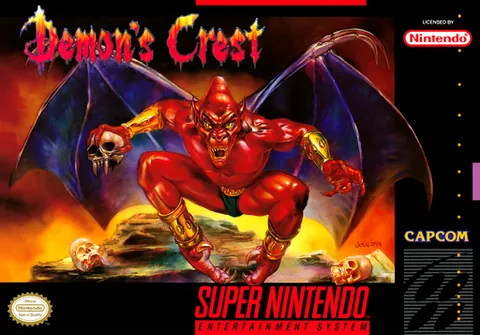 SNES
Demon's Crest
Dark action with Firebrand; an underrated gem.
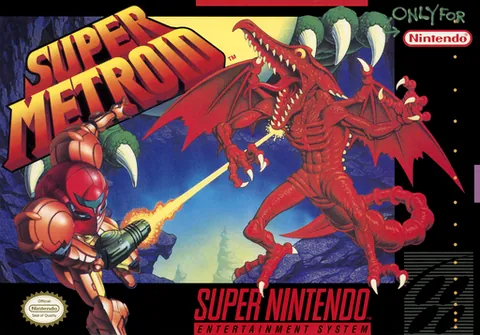 SNES
Super Metroid
The gold standard of the metroidvania genre; its atmosphere and design remain unsurpassed to this day.
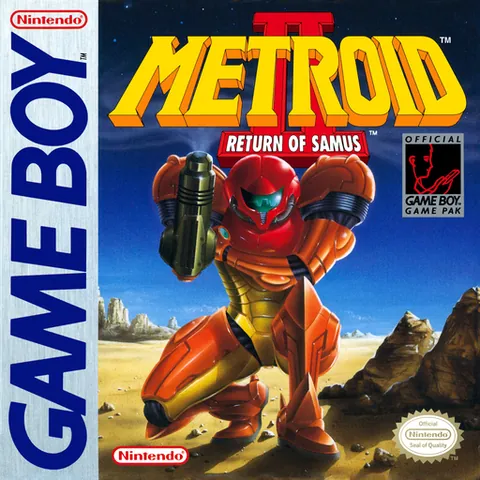 GB
Metroid II: Return of Samus
A dark, claustrophobic hunting expedition. It was ahead of its time in atmosphere.
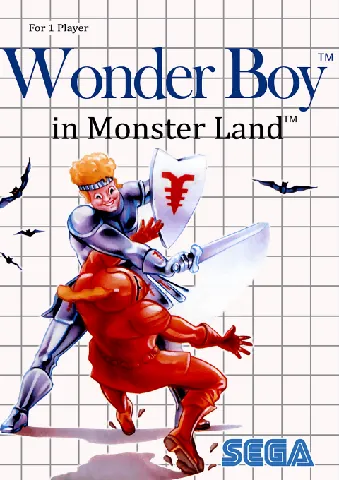 SMS
Wonder Boy in Monster Land
Wonder Boy leaves pure platforming behind for an action RPG with swords and dungeon secrets.
 NES
Castlevania II: Simon's Quest
A bold departure from the linear Castlevania; Simon Belmont in an open world full of choices.
 NES
Metroid
The beginning of the 'metroidvania'; lonely exploration and mystery.