Game studio
Epyx
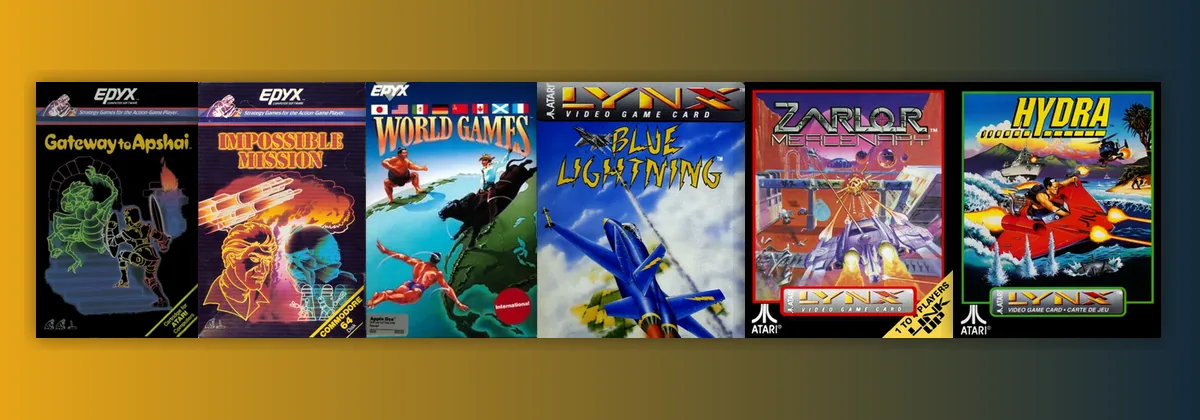
Epyx is one of those names that can bring a smile to the face of anyone who remembers the eight-bit era. For most players it is a studio inseparably tied to the Commodore 64 and to a series of sports games that turned the keyboard and joystick into instruments of a merciless battle for the best time. But Epyx wasn't only about sport — it was behind one of the toughest logic puzzles of its day, as well as a technologically pioneering handheld console. It is precisely this combination of ambition, playfulness and attention to detail that makes Epyx a legend which retro players still remember fondly today.
History
The company was founded back in 1978 in California under its original name Automated Simulations. It was started by Jim Connelley and Jon Freeman, and initially focused on strategic and turn-based games, often with a fantasy flavor — famous, for example, was the Dunjonquest series with the title Temple of Apshai (1979), one of the first commercially successful computer RPGs.
The Epyx brand was at first used only as a distinguishing label for more action-oriented titles, but it gradually gained such weight that at the beginning of the 1980s the firm renamed itself completely. Under the new name and with a new direction, Epyx headed toward where it was meant to shine the most: arcade action and sport.
The golden era came in the mid-1980s. In 1984 Summer Games was released, which kicked off the hugely successful "Games" series. The peak of this lineage became California Games (1987) — a laid-back, sunny collection of disciplines such as surfing, skateboarding, BMX or frisbee throwing, which perfectly captured the atmosphere of the California lifestyle and became one of the best-selling titles for the Commodore 64 ever. From the same period is also Impossible Mission (1984), an action platformer with the digitized voice of the sinister Dr. Elvin Atombender and his line "Another visitor! Stay a while… stay forever!", which was forever etched into players' memories.
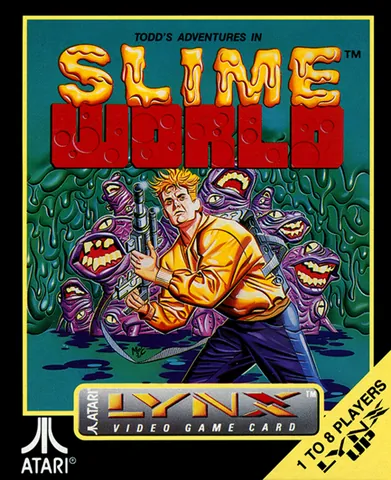
At the close of the 1980s Epyx threw itself into an ambitious hardware project. Under its wing a portable console with a color backlit display was created, which Atari eventually brought to market as the Atari Lynx (1989). Epyx supplied some of the key launch titles for it — the color edition of California Games was accompanied, for instance, by the brisk shooter Blue Lightning, the bizarrely entertaining Todd's Adventures in Slime World, or the brilliant logic game Chip's Challenge, today considered one of the flagship gems of the entire platform.
Key figures
Among the founders were Jim Connelley and Jon Freeman; Freeman, together with Anne Westfall, stood behind the early strategy titles and later founded their own studio, Free Fall Associates. The face of Epyx's action era became the programmer and designer Dennis Caswell, author of the cult Impossible Mission, who gave the game its unmistakable atmosphere as well as its technically advanced solution for digitized speech. The logic gem Chip's Challenge was designed by Chuck Sommerville, who identifies with this game to this day and continues to work on it in later years. The composer and programmer Peter Engelbrite contributed to the musical and audio side of a number of titles, being, among other things, closely linked precisely with work for the Atari Lynx.
Transformations and transfers
Epyx's path was far from straightforward. The costly development of the portable console, which Atari eventually took over, financially exhausted the firm, and at the turn of the 1980s and 1990s it ran into serious trouble. In 1989 Epyx declared bankruptcy and its star began to fade. In the following years the rights and the brand changed owners several times and passed between various proprietors and publishers, so the original studio essentially ceased to exist and survived only as a trade name on game boxes.
It is worth mentioning that Epyx's roots gave rise to other creative careers — the departure of Jon Freeman and Anne Westfall to Free Fall Associates is just one example of how talent from this incubator spilled out further across the entire gaming industry.
Present day
Epyx as a living, functioning studio no longer exists today (2026) — its active era ended at the start of the 1990s. The brand, however, did not disappear entirely: the rights to it are in the hands of the Bridgestone Multimedia Group, which holds them more as part of a portfolio than as the basis of new game production.
Epyx's classic titles, however, live their real life elsewhere — in the community of retro players and collectors. California Games and Impossible Mission are among the most frequently recalled games of the eight-bit era, they appear in a wide variety of compilations and remasters, and they run on emulators as well as modern handheld consoles. Chip's Challenge, for its part, received an official re-release and a long-promised sequel from the original author. Epyx may thus have vanished from the business registers, but in the hearts of those who remember and on the screens of handhelds it lives on — exactly as a legend deserves.
Games by the studio (28)
-
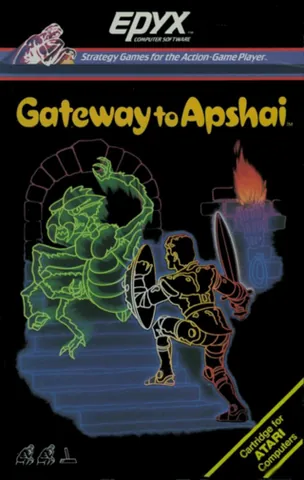
Gateway to Apshai · 1983
-
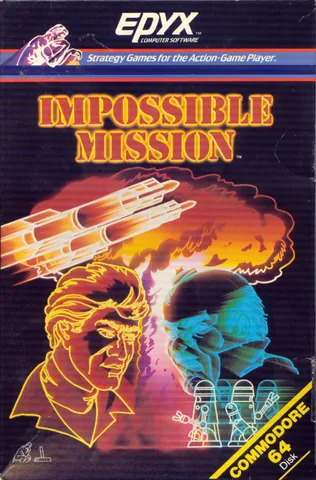
Impossible Mission · 1984
-
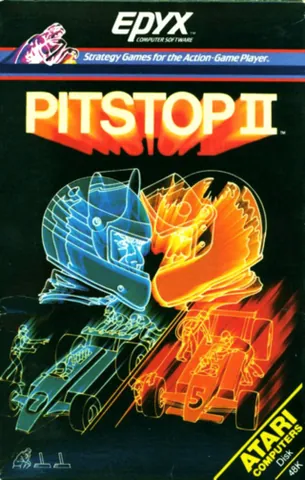
Pitstop II · 1984
-
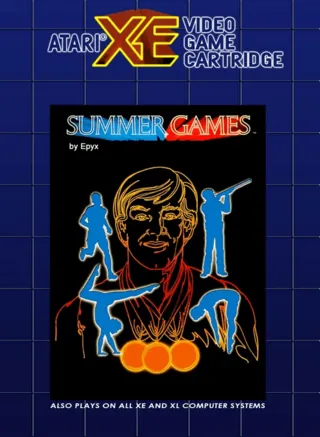
Summer Games · 1984
-
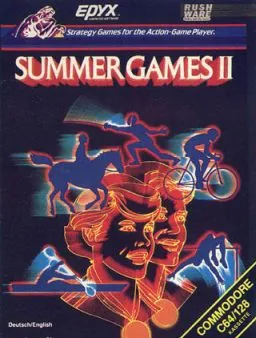
Summer Games II · 1985
-
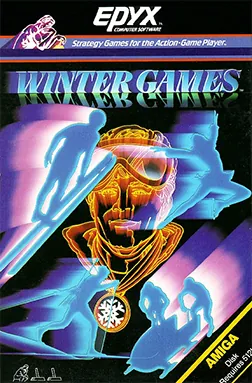
Winter Games · 1985
-
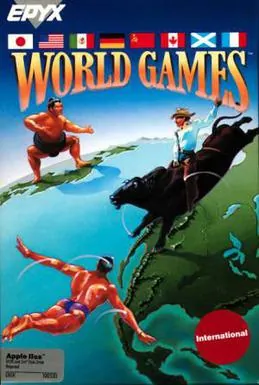
World Games · 1986
-
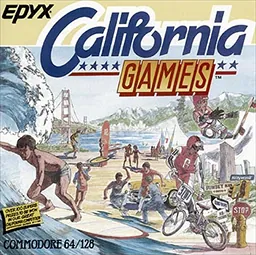
California Games · 1987
-
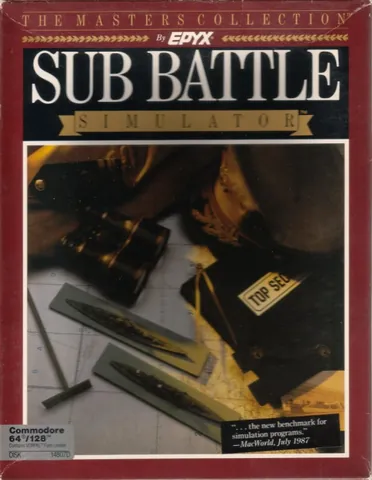
Sub Battle Simulator · 1987
-
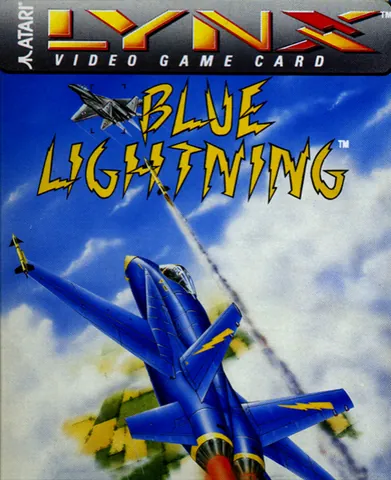
Blue Lightning · 1989
-
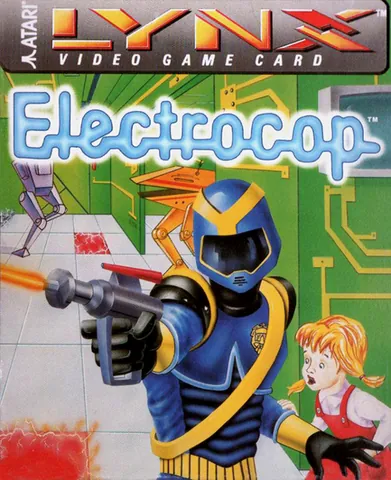
Electrocop · 1989
-
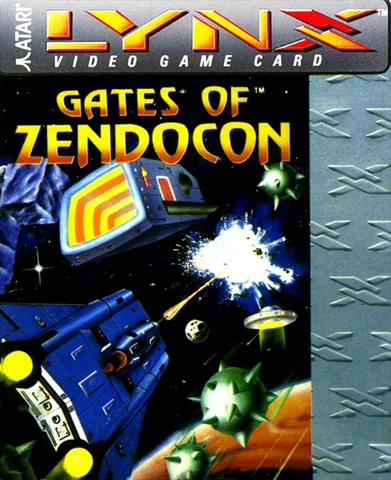
Gates of Zendocon · 1989
-
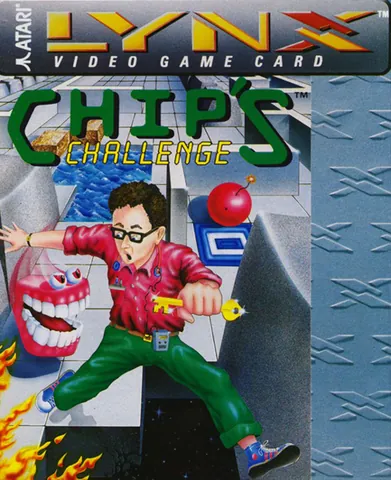
Chip's Challenge · 1989
-
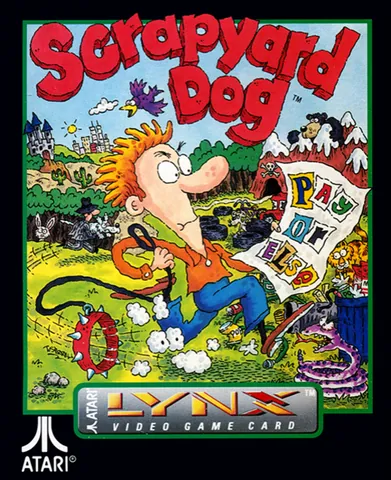
Scrapyard Dog · 1990
-
-
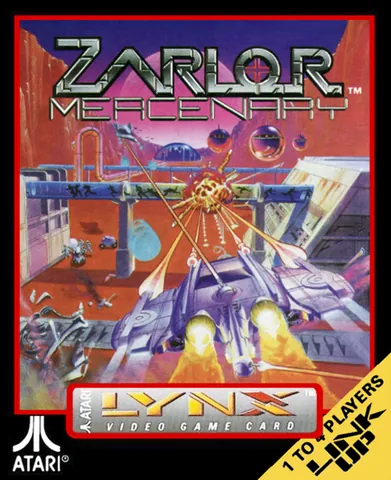
Zarlor Mercenary · 1990
-