Franchises
The Elder Scrolls
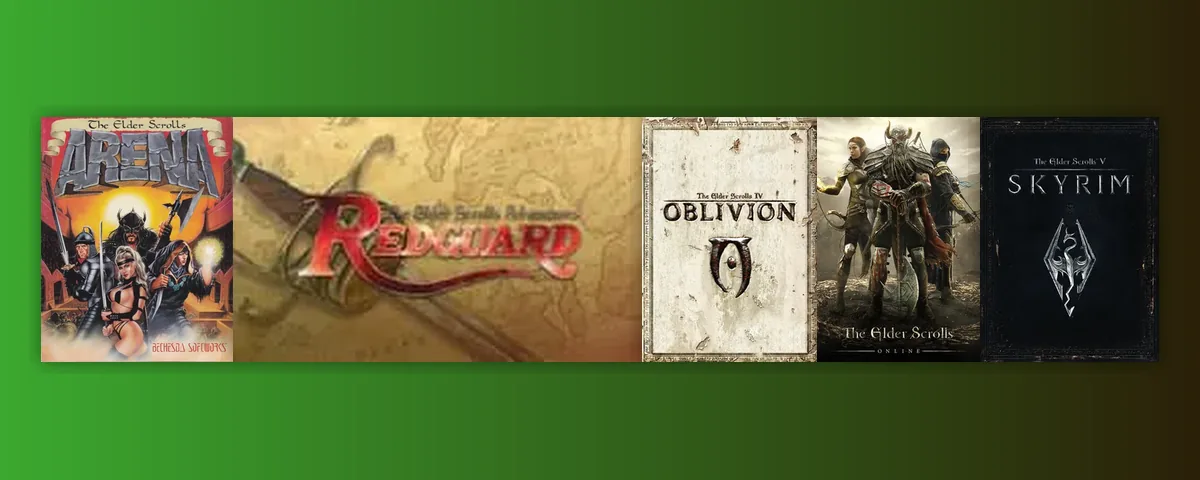
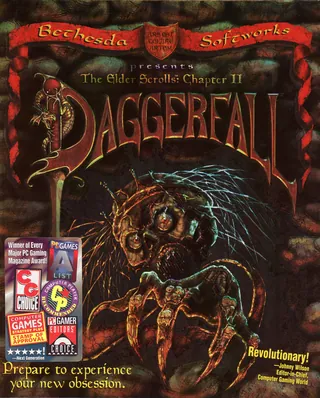
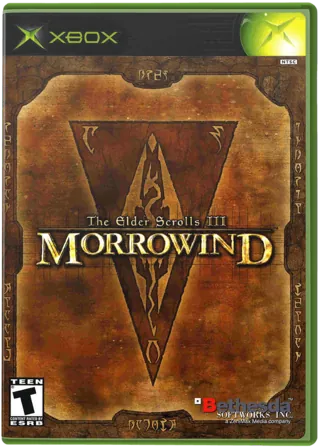
The Elder Scrolls: Arena arrived in 1994 on DOS already carrying the ambition that still defines the brand — hand the player a whole continent and let them work it out. Daggerfall took that to such an extreme in 1996 that its generated world survives as a cautionary tale about how far the dream of an endless game can go. It was Morrowind in 2002 that found the balance: a smaller world, but hand-built, alien and unwelcoming, with mushroom forests, caste politics and text that genuinely expected you to read it. Skills that improve through use, and the freedom to walk almost anywhere from the first minute, became the series' signature.
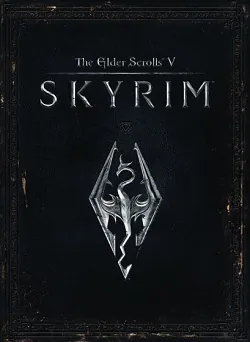
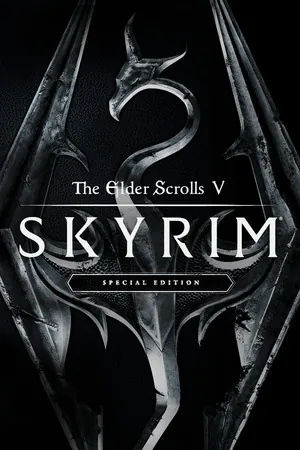
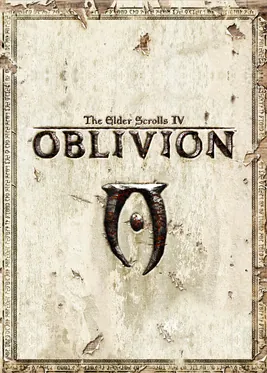
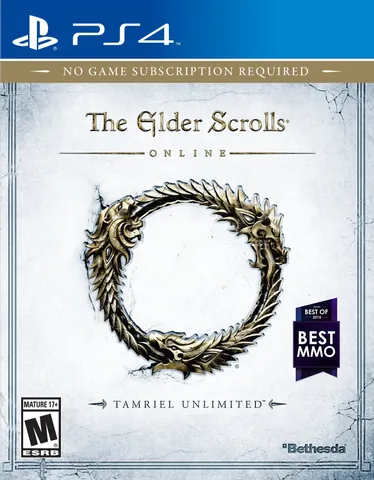
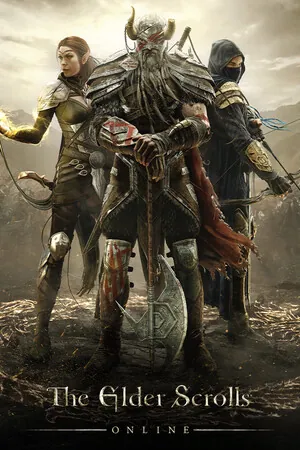
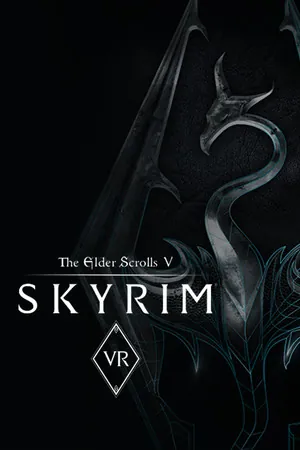
Oblivion opened the brand to a wider audience in 2006, and Skyrim in 2011 turned it into a phenomenon that kept being reissued, reaching Nintendo Switch in 2017. Skyrim traded some depth for accessibility, but offered a world you could simply walk around in for hours, and above all it opened the door to a modding community that has kept the game from properly ageing. Running alongside the single-player line since 2014 is the long-lived The Elder Scrolls Online. Whether you consider atmospheric Morrowind or generous Skyrim the peak, it is hard to find an open world of the last two decades that does not owe this series something.
Entries in the series (11)
-
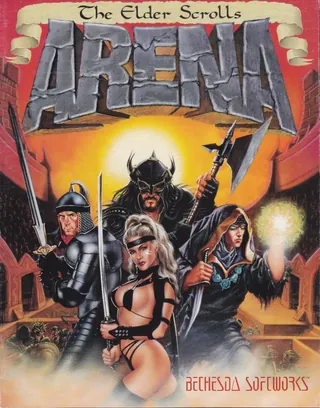
The Elder Scrolls: Arena · 1994
-
-

-
-
-
-
-
-
The Elder Scrolls Online · 2014
-
-