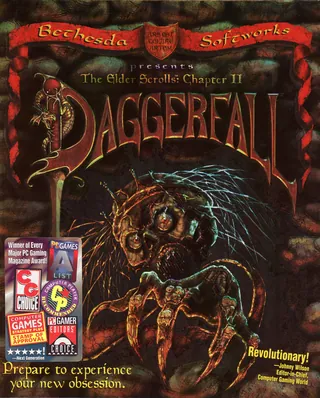
The Elder Scrolls II: Daggerfall
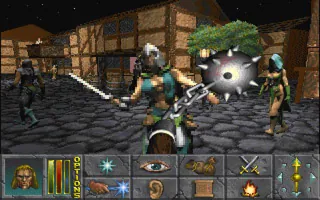
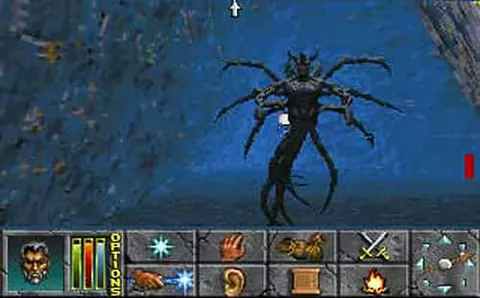
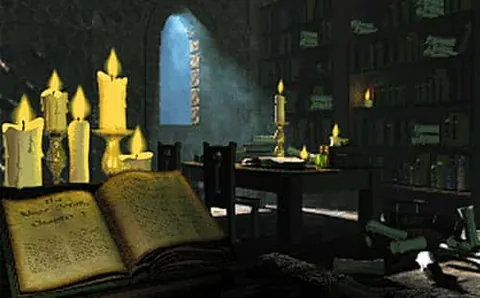
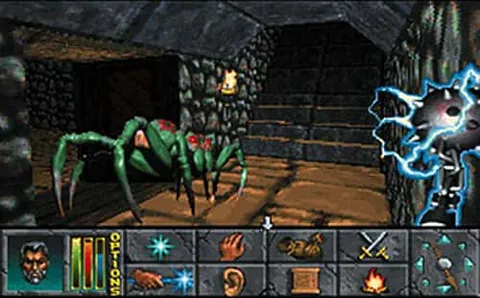
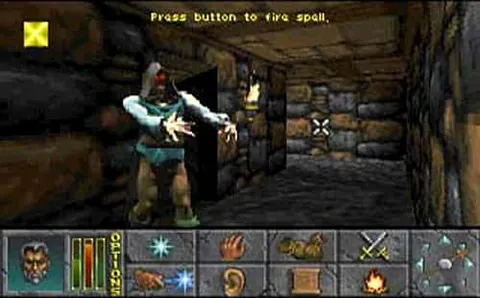
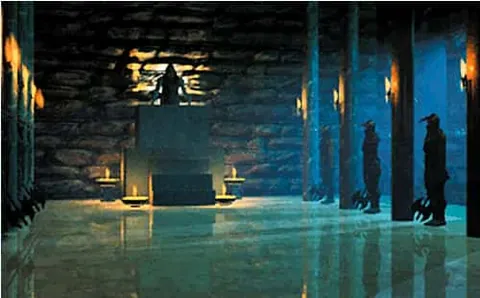
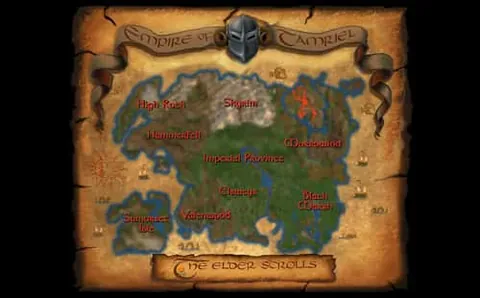
The Elder Scrolls II: Daggerfall places the player in the sprawling provinces of High Rock and Hammerfell, where an insignificant traveler, after surviving a shipwreck, gradually becomes entangled in political intrigue, secret societies, and a supernatural conspiracy surrounding the mysterious ghost of King Lysandus. The game world was unusually huge for its time, with thousands of essentially endlessly generated cities, villages, and dungeons, so players could freely travel to any part of the map they wanted and complete main and side quests in any order.
Players build their character from a wide selection of races, classes, and skills, and the sense of freedom is underscored by the option to join factions such as the powerful Mages Guild, thieves' guilds, or knightly orders, each with its own quests, rewards, and obligations toward the player's character, which could even pit the player against another faction. The combat system runs in real time and combines melee, magic, and archery, complemented by advanced mechanics like swimming, levitation, or wall-climbing, which were unusual for their time and opened paths to places otherwise unreachable. Technically the game ran on an upgraded engine and offered an ambitious 3D environment with a procedurally generated world for its time, though it was plagued by a range of bugs and imperfections that players complained about at the time and that led to several follow-up patches.
Daggerfall is seen today as a key milestone for the entire Elder Scrolls series, because it set the ambition for open-world freedom of choice that later installments — Morrowind, Oblivion, and Skyrim — all built upon, even though each chose its own balance of how large and how detailed a world to offer. Despite its technical shortcomings, it remains a fascinating showcase for old-school fans of just how far open-world RPG ambitions already reached in the mid-1990s, and it's still kept alive today by an active community of fan patches and modifications.
Why play it: For old-school open-world RPG fans interested in how far the ambitions of The Elder Scrolls series reached even before Morrowind, Oblivion, and Skyrim.
Game 126 of 229 for PC / Pentium a Windows 9x
The same title elsewhere (1)
From the same series The Elder Scrolls →
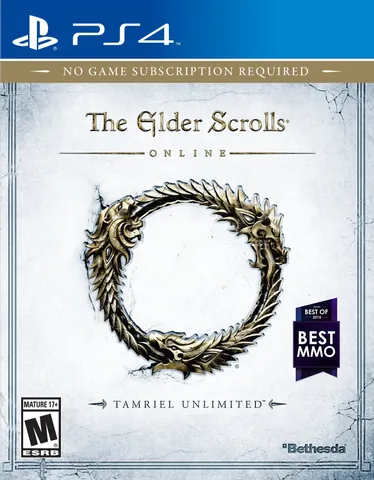 The Elder Scrolls Online: Tamriel Unlimited PS4
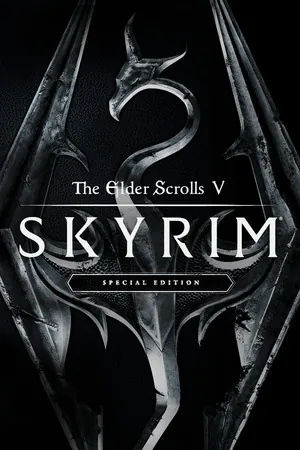 The Elder Scrolls V: Skyrim Special Edition PC · XONE
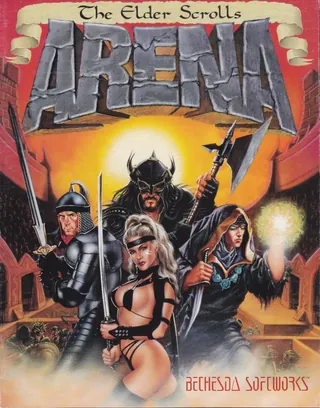 The Elder Scrolls: Arena DOS · 1994
 The Elder Scrolls Adventures: Redguard DOS · 1998
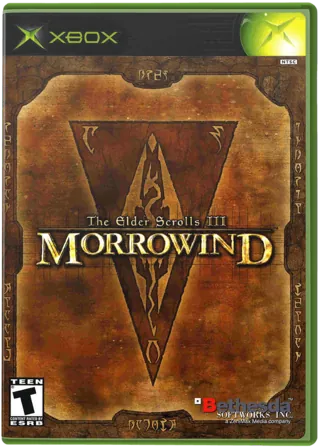 The Elder Scrolls III: Morrowind Xbox · PC · 2002
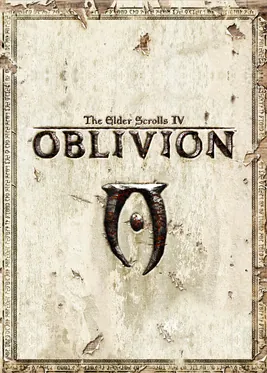 The Elder Scrolls IV: Oblivion X360 · PC · PS3 · 2006
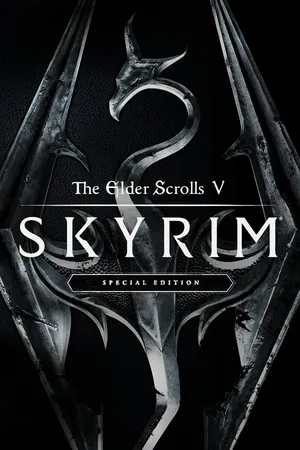 The Elder Scrolls V: Skyrim X360 · PS3 · PC · Switch · Series · 2011
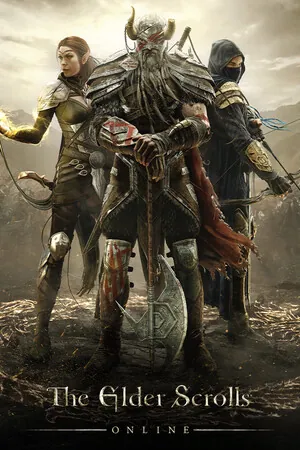 The Elder Scrolls Online PC · 2014
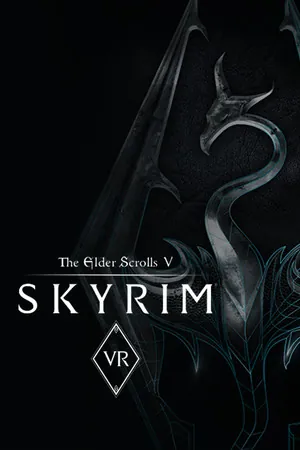 The Elder Scrolls V: Skyrim VR PCVR · 2018
 The Elder Scrolls V: Skyrim Anniversary Edition Series · 2021