Franchises
Spider-Man
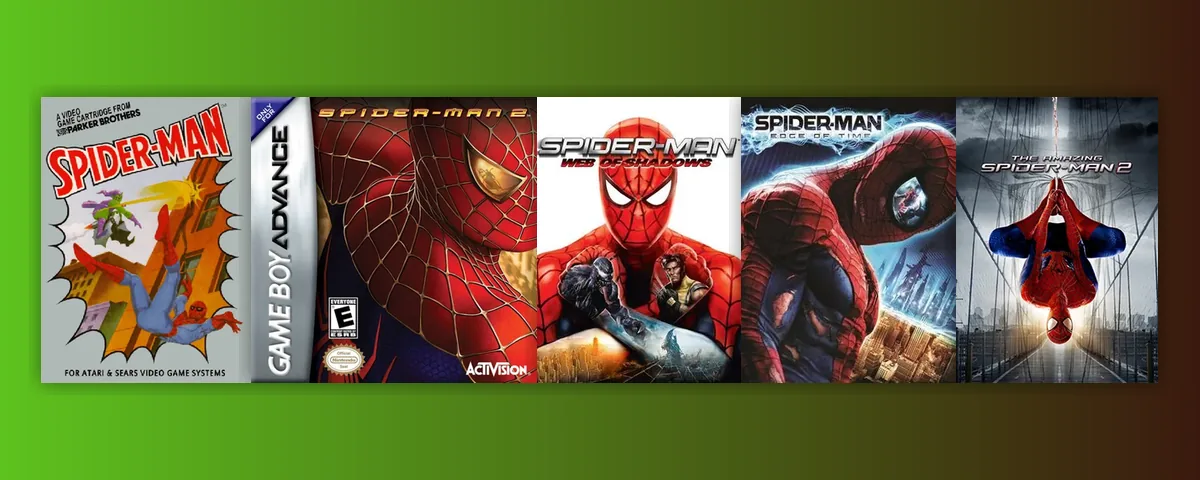
Spider-Man's history in games goes back to 1982, when Parker Brothers released a simple platformer for the Atari 2600 — one of the very first games ever licensed from a comic book character. Before more powerful consoles arrived, Spider-Man games stayed mostly within 2D action-platforming: climbing buildings, fighting familiar comic villains like Green Goblin or Doctor Octopus, and trying to translate the feel of the comics onto limited early hardware. That era showed that the character worked in games mainly through movement — climbing and swinging — rather than an elaborate story, and that same simplicity helped the character survive later console transitions, each of which forced the games to adapt again to new technology.
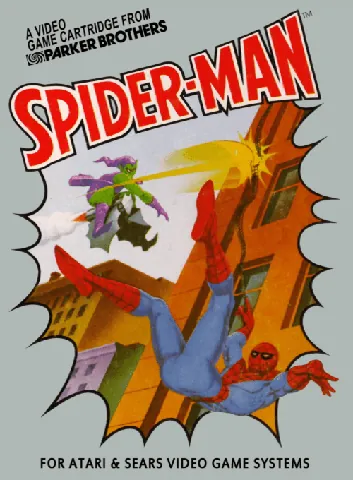
The turning point came with 3D graphics. The 2000 PlayStation game Spider-Man, developed by Neversoft and published by Activision, showed what free web-swinging movement through a city could look like, and for many players it became the definitive take on the character for that console generation — helped by bonus commentary voiced by Stan Lee himself and a roster of guest villains pulled from across the comics. Smaller portable entries for Game Boy Color and Game Boy Advance followed, adapting the action and story to handheld hardware and often borrowing plots straight from the console or film versions.
Alongside Sam Raimi's film trilogy, tie-in titles appeared for GameCube and Dreamcast. The 2004 GameCube game Spider-Man 2 became known for physics-based web-swinging that anchored to actual buildings in the environment, and it remains one of the most praised examples of movement design in games. A year later, Treyarch followed on the same console with Ultimate Spider-Man, using cel-shaded visuals based on the comic series of the same name and letting players take control of Venom in dedicated sections.
Beyond the console and film versions, Java mobile spin-offs appeared in the middle of the decade and around 2007, bringing simplified games tied to further film releases. On these platforms the series tended to follow the comic and film brand rather than chart its own consistent course — yet this era, closing around 2007, laid the groundwork for Spider-Man's later reputation as one of the most successful licensed game franchises around.
Entries in the series (10)
-
-
-
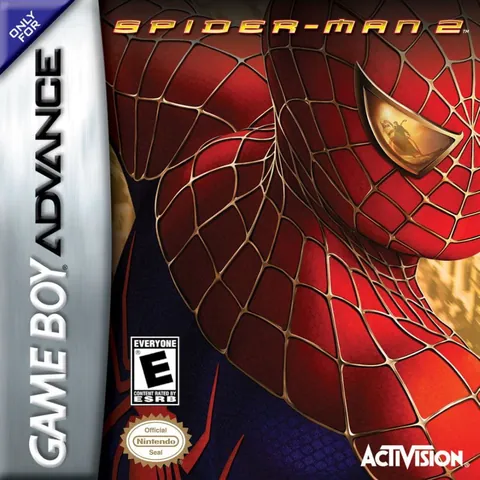
Spider-Man 2 · 2004
-
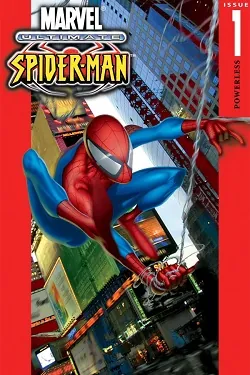
Ultimate Spider-Man · 2005
- Java ME
Spider-Man 3 · 2007
-
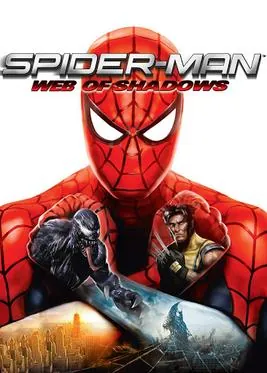
Spider-Man: Web of Shadows · 2008
-
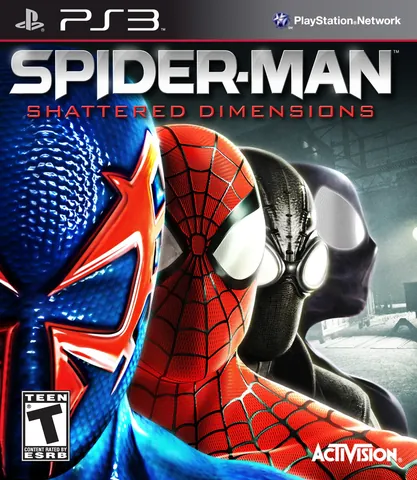
-
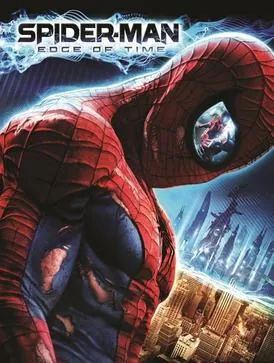
Spider-Man: Edge of Time · 2011
-
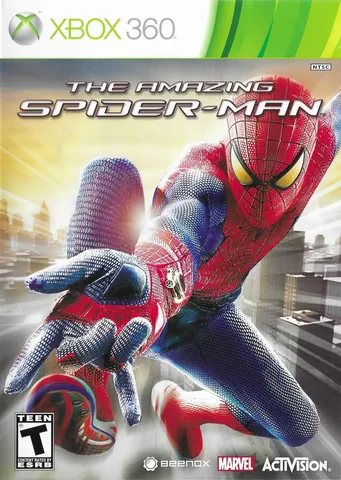
The Amazing Spider-Man · 2012
-
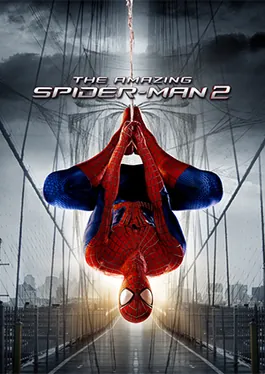
The Amazing Spider-Man 2 · 2014