Franchises
Persona
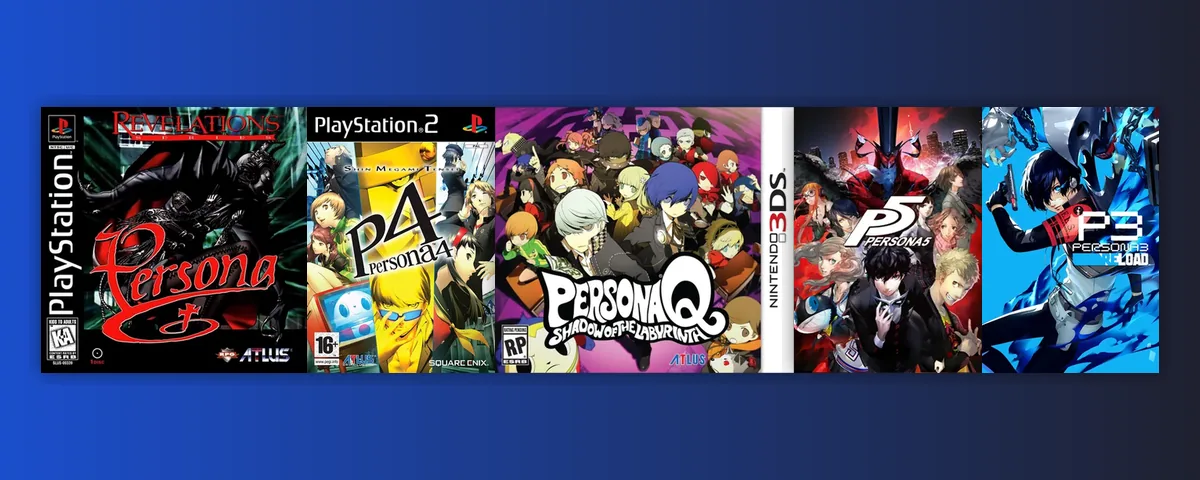
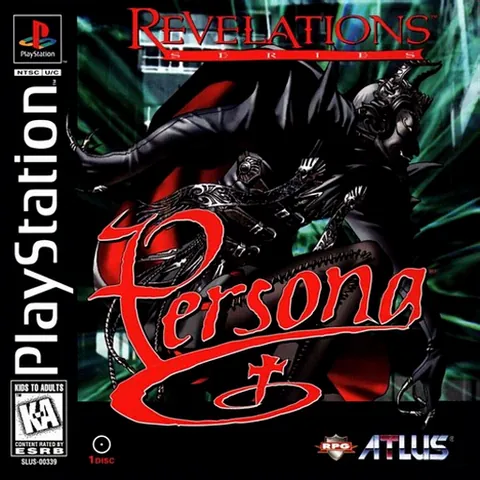
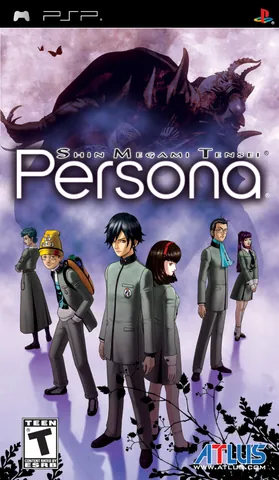
The Persona series began as an offshoot of Megami Tensei, launching in 1996 with Revelations: Persona on the original PlayStation. Developer Atlus took the demon-summoning core of Shin Megami Tensei and grafted it onto a school setting, following a group of teenagers who conjure personas, manifestations of their own psyche, instead of ordinary monsters. The game also introduced the Velvet Room and the tarot-arcana framework for fusing and strengthening personas, an element the series has carried into every later entry. That combination of turn-based demon battles and everyday student life became the series' lasting signature.
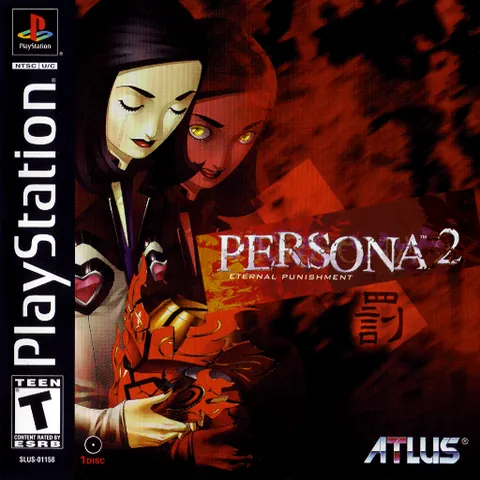
The duology Persona 2: Innocent Sin and Persona 2: Eternal Punishment followed in the late 1990s, again on PlayStation. Innocent Sin followed student Tatsuya Suou, while Eternal Punishment, set a little later, followed journalist Maya Amano, with the two stories intertwining and filling in each other's blanks from a different angle. Both games leaned into a darker, conspiracy-driven plot built around urban legends that could supposedly become real if enough people believed them, and expanded the combat and persona-fusion systems. Outside Japan the series reached players only slowly, Innocent Sin did not get a Western PSP remake until many years later, and it remained a niche interest among JRPG fans.
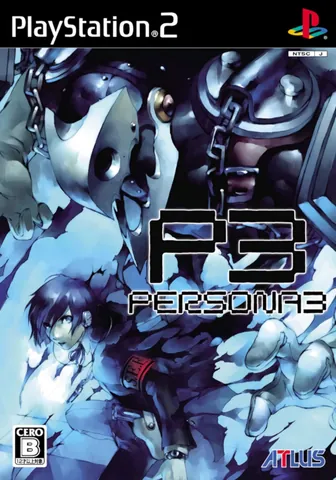
The turning point was Persona 3 in 2006 on PlayStation 2, which rebuilt the formula as a hybrid of life simulation and dungeon crawler. As a member of the group SEES, players move through a school year on a calendar, build Social Links with other characters, and descend at night into the procedurally generated tower Tartarus to fight Shadows. The game treated themes of death and the meaning of life far more directly than its predecessors and became one of the most influential JRPGs of its generation. It later appeared in an expanded FES version with the additional episode The Answer, and as Persona 3 Portable for PSP, which offered an optional female protagonist and visual-novel-style controls instead of direct 3D movement.
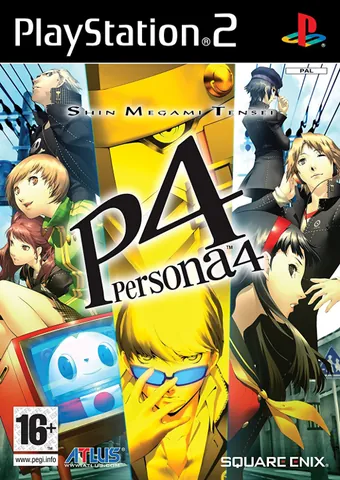
Persona 4 (2008, PlayStation 2) moved the same structure to the rural town of Inaba, where the Investigation Team solves a string of murders tied to a mysterious world inside television sets, reached through the so-called Midnight Channel. A lighter tone, memorable cast, and tightly interwoven social and combat systems made it one of the series' most beloved entries; the expanded Persona 4 Golden on PlayStation Vita added new scenes and characters and became a genre touchstone in its own right, later ported to PC and modern consoles as well.
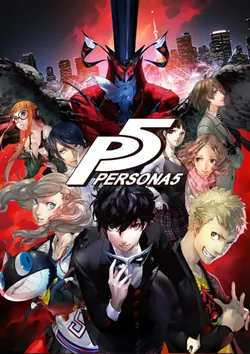
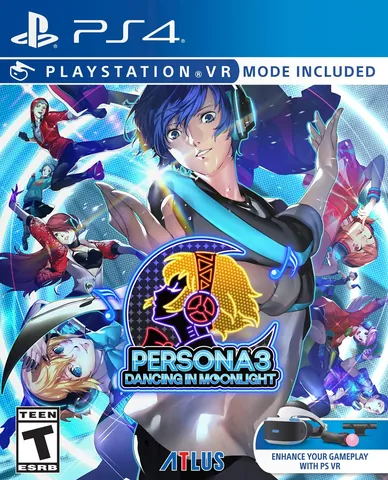
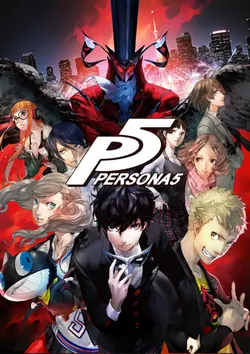
International breakthrough came with Persona 5 (2016, PS3 and PS4), casting players as the Phantom Thieves of Hearts, who use calling cards to steal corrupted adults' distorted desires while fighting their way through the labyrinth Mementos. Its striking comic-book visual style, polished interface, and tightly constructed narrative made it the series' commercial and critical peak; the expanded Persona 5 Royal later added the new character Kasumi Yoshizawa and an entire extra third semester. Around the main line grew a string of spin-offs, the fighting game Persona 4 Arena, the 3DS crossover dungeon crawlers Persona Q and Persona Q2: New Cinema Labyrinth, the rhythm games Dancing All Night and Dancing in Moonlight/Starlight, the musou-style action game Persona 5 Strikers made in collaboration with Omega Force, and the tactical spin-off Persona 5 Tactica, turning Persona from a cult favorite into one of modern JRPG's most influential franchises.
Entries in the series (21)
-
-
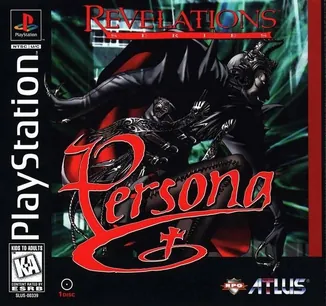
Revelations: Persona · 1996
-
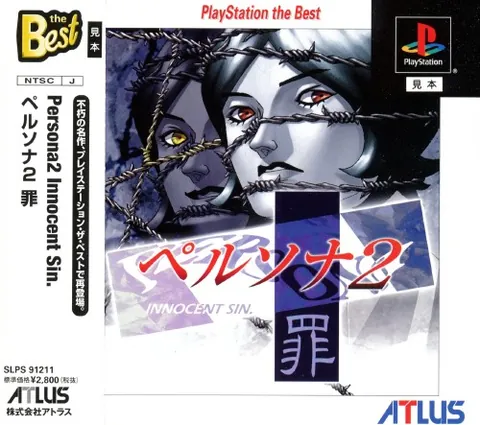
Persona 2: Innocent Sin · 1999
-
-
-
-
Shin Megami Tensei: Persona · 2009
-
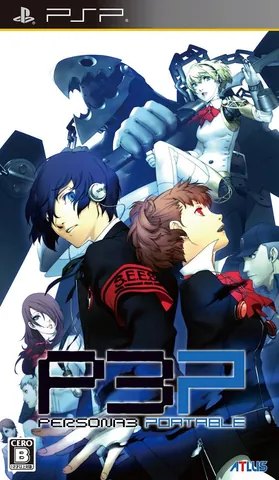
Persona 3 Portable · 2011
-

Persona 4 Arena · 2012
-
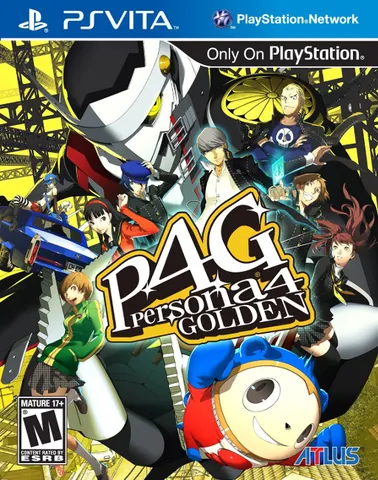
Persona 4 Golden · 2012
-
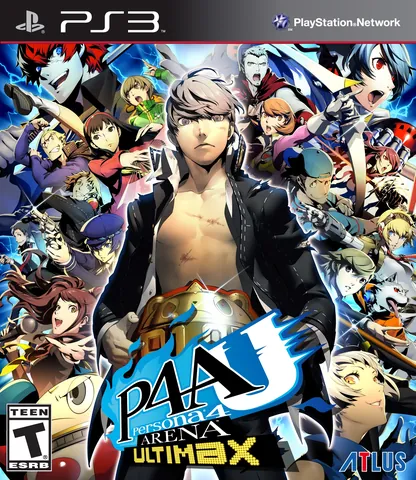
Persona 4 Arena Ultimax · 2014
-
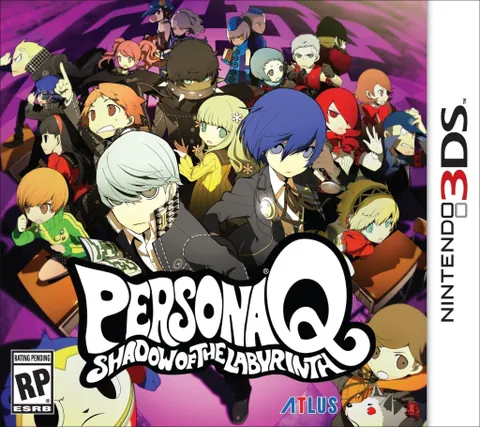
-
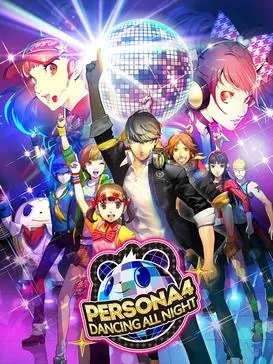
Persona 4: Dancing All Night · 2015
-
-
-
-
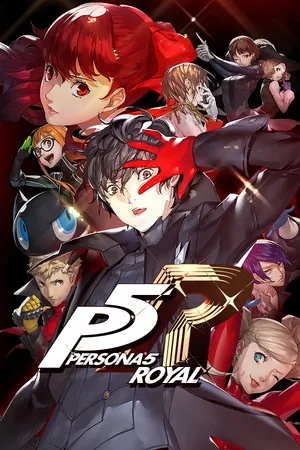
Persona 5 Royal · 2019
-
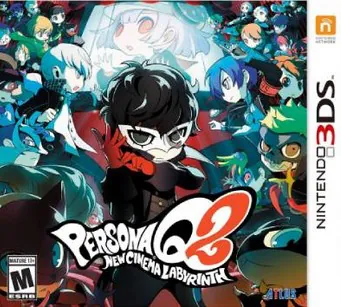
-
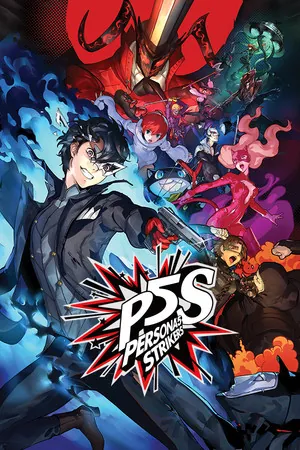
Persona 5 Strikers · 2020
-
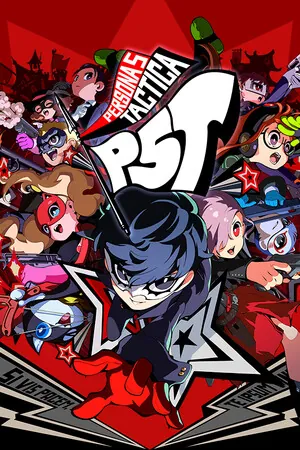
Persona 5 Tactica · 2023
-
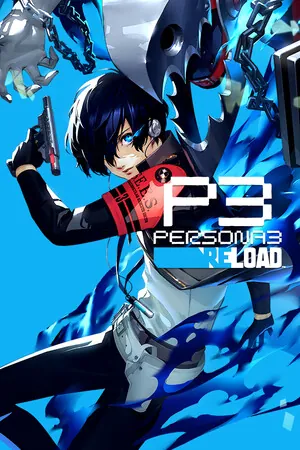
Persona 3 Reload · 2024