Franchises
Metro
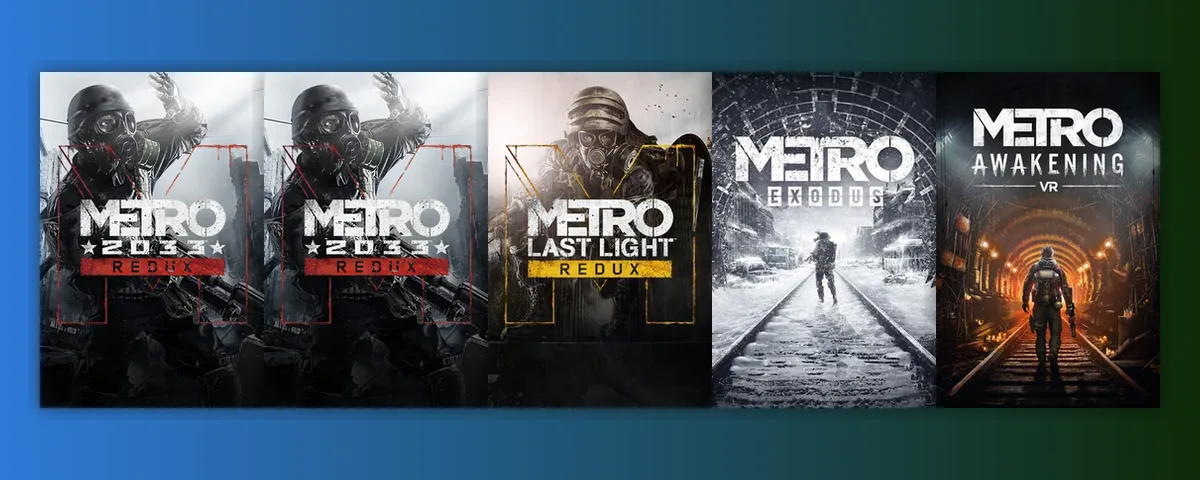
Metro is based on the novel Metro 2033 by Russian author Dmitry Glukhovsky and began in 2010 with the game of the same name for PC and Xbox 360. It was created by the Ukrainian studio 4A Games, founded by former developers of the S.T.A.L.K.E.R. series, and was published at the time by THQ. The game places players in the Moscow metro after a nuclear war, where people survive in the tunnels among mutants and hostile factions such as the fascist Fourth Reich or the communist Red Line, while the station of Polis serves as a neutral haven. Rather than a blockbuster action spectacle, it was a survival horror built on atmosphere, scarce ammunition that also served as currency, the option to move stealthily, and managing a flashlight and gas mask – elements that became the series' defining traits. Individual metro stations function as small city-states with their own economies, mushroom and pig farms, and factional propaganda broadcast over the radio, and throughout the games players control the silent protagonist Artyom, whose perspective carries into the following entries as well. From the first game on, a tougher Ranger mode has stripped the interface and ammunition down to a minimum for a purer survival experience.
Metro: Last Light (2013) was released under publisher Deep Silver after THQ went bankrupt, and it concluded the story with refined action and a moral-choice system that affected the course of the game and its ending. A year later came the remastered editions Metro 2033 Redux and Metro: Last Light Redux, which combined the original survival difficulty with a more action-oriented mode and brought both games to the current console generation of the time, as well as to players who had missed the first wave.
Metro Exodus (2019) marked the series' biggest transformation: instead of linear tunnels, it offered large, semi-open locations with changing seasons, as players traveled across post-Soviet Russia aboard the train Aurora, which served as a mobile base and home for a group of survivors. Thanks to its ambition, length and variety of settings, Exodus is regarded by many as the series' peak, and its expansion episodes Sam's Story and The Two Colonels continued the story without requiring a full-fledged sequel. Two years later, an enhanced Metro Exodus: Complete Edition followed, adding improved lighting and other visual upgrades for the newer consoles and stronger PCs of the time.
The most recent addition is Metro Awakening (2024), a VR prequel developed by Vertigo Games, which brought the series into virtual reality on PSVR2, Meta Quest and PC VR, and tells events set before Metro 2033 with a new protagonist. Its development was also shadowed by the war in Ukraine, which forced 4A Games to relocate part of its team abroad without halting the project.
Over fifteen years, Metro has established itself as one of the most respected story-driven shooter series, valued precisely for its atmosphere, morally grey characters and factions, and its willingness to build tension on scarcity rather than abundance of resources – an approach that sets it apart from most major military shooter franchises. From the start, the series has also stuck to single-player storytelling with no competitive multiplayer, making it a counterpoint to the online-focused shooters that were fashionable at the time.
Entries in the series (7)
-
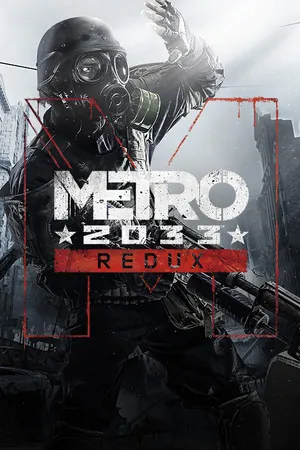
Metro 2033 · 2010
-
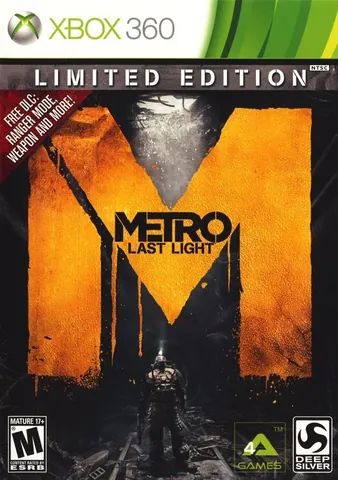
Metro: Last Light · 2013
-
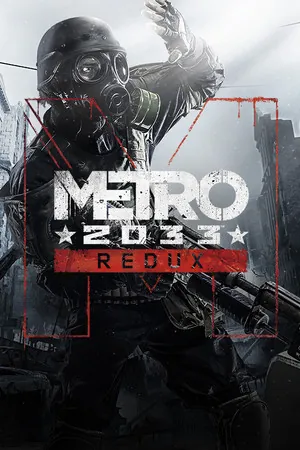
Metro 2033 Redux · 2014
-
Metro: Last Light Redux · 2014
-
Metro Exodus · 2019
-
-
Metro Awakening · 2024