Franchises
Fallout
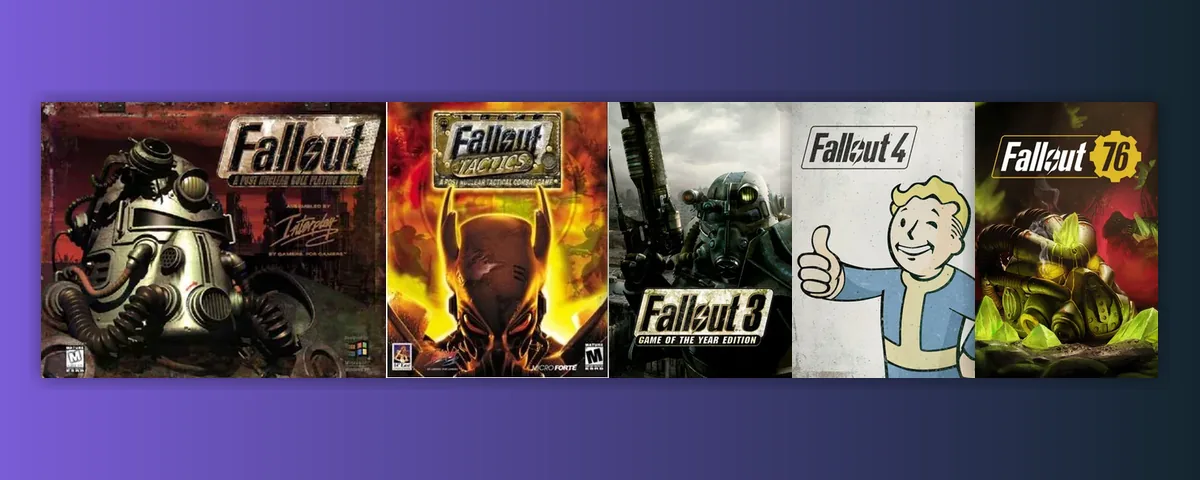
Fallout began in 1997 at Interplay, developed by Black Isle Studios, as an isometric turn-based role-playing game inspired by the earlier Wasteland. From its first entry it built an unmistakable identity: a retrofuturistic 1950s aesthetic colliding with nuclear armageddon, so that a vision of the atomic age full of robots, neon and suburban idylls coexists with the ruins of civilization and the mutated dangers of the wasteland. The core of the gameplay was the SPECIAL system, seven attributes that shaped not only combat but also how the world reacted to the character across dialogue and quests with multiple solutions. From the start the series was defined by black humor interwoven with a raw survival atmosphere and moral dilemmas with no clearly right answer.
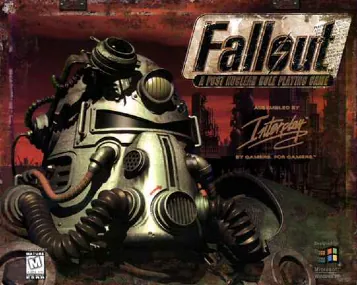
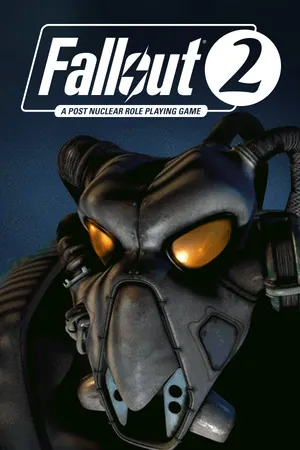
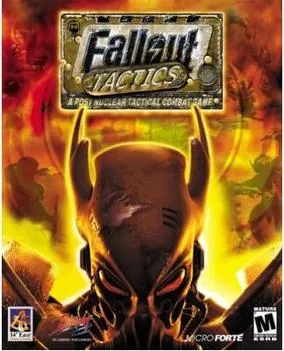
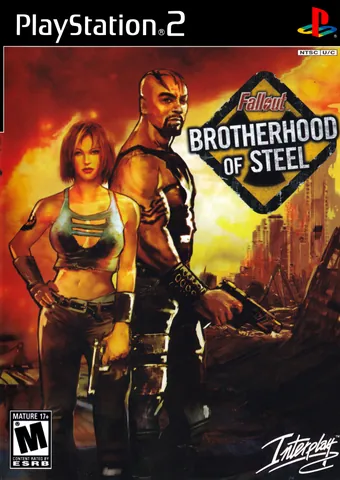
Fallout 2 (1998) expanded both mechanics and world, adding new factions, locations and NPCs, while staying faithful to the isometric turn-based approach. What followed were spin-offs that treated the core lineage more loosely: the tactical Fallout Tactics: Brotherhood of Steel (2001) shifted the series toward real time and squad-based missions, while the console action title Fallout: Brotherhood of Steel (2004) abandoned the RPG roots almost entirely and met a lukewarm reception from fans and critics alike. Meanwhile Interplay ran into financial trouble, Black Isle Studios was shut down, and development stalled for years until the rights to the brand passed to Bethesda Softworks.
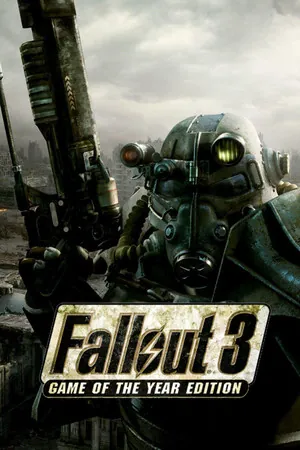
Bethesda fundamentally reshaped the series in 2008: Fallout 3 moved the story to a devastated Washington, the Capital Wasteland, and replaced the isometric view with a first- or third-person action RPG featuring the VATS system, which slowed time for targeted shooting. The change divided part of the longtime fanbase, but it was a massive commercial and critical success that brought an entirely new generation of players to the series, effectively saving the brand from obscurity. The entry kept the trademark humor and moral ambiguity of earlier games and added the exploratory freedom of an open world, which became the template for the games that followed.
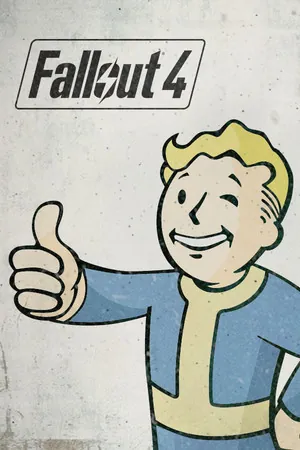
Fallout: New Vegas (2010) was made by Obsidian Entertainment, staffed by many former Black Isle developers, and many players and critics still consider it the storytelling peak of the whole series thanks to its elaborate faction-reputation system, multiple endings and writing that refused to pass simple judgment on the player's choices. Despite technical rough edges at launch, the game earned a reputation as the series' most sophisticated RPG. Fallout 4 (2015) instead shifted toward action and construction: it introduced settlement building and management, a fully voiced protagonist and a deeper shooting layer, which part of the audience welcomed as modernization while others criticized it as a dilution of the series' traditional RPG elements.
Fallout 76 (2018) moved the series into online multiplayer built around survival in a shared world, and at launch it faced widespread criticism over technical problems and the absence of human characters; only gradual updates, including the Wastelanders addition that brought voiced NPCs and story quests back into the game, slowly repaired its reputation. Alongside the main line, the mobile spin-off Fallout Shelter (2015), a simple vault-building and management game, found its own broad audience well beyond traditional RPG players. Across generations, Fallout remains one of the most influential series in the post-apocalyptic genre, even as individual entries differ in how faithful they stay to the original turn-based RPG.
Entries in the series (9)
-
-
-
-
-
-
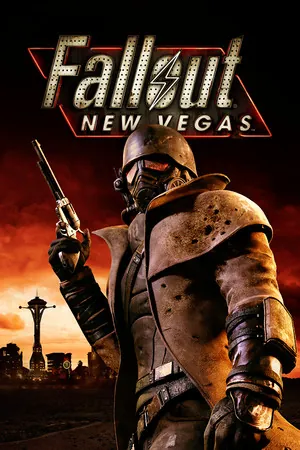
Fallout: New Vegas · 2010
-
-
Fallout Shelter · 2015
-
Fallout 76 · 2018