Franchises
Dark Souls
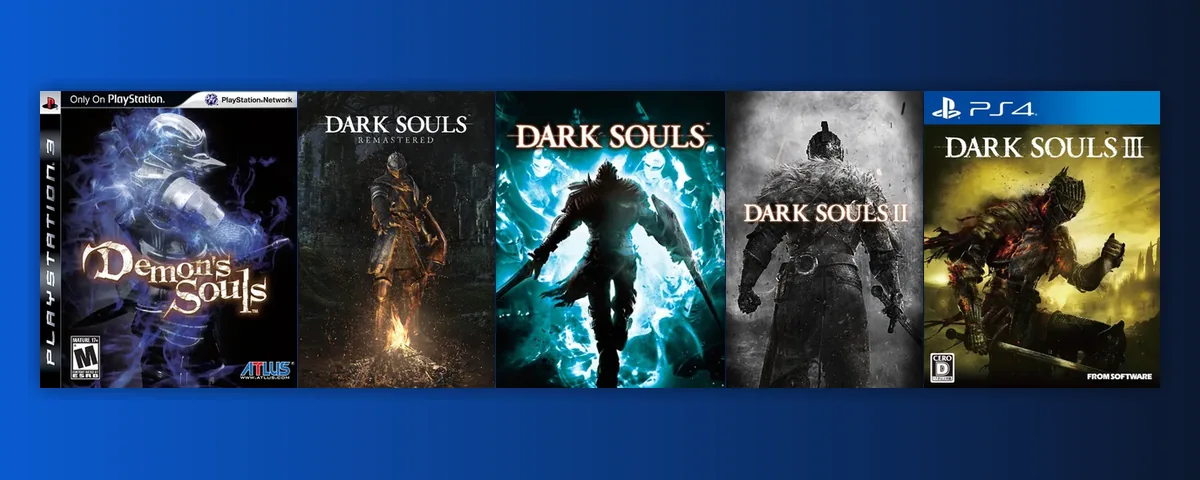
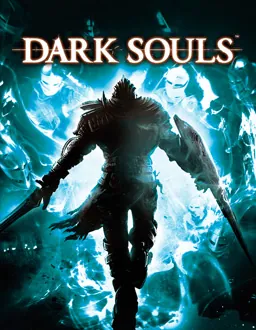
The formula was laid down in 2009 by Demon's Souls, from FromSoftware under director Hidetaka Miyazaki: slow, unforgiving combat, an interconnected world with no open map, bonfires as the only rest points, and souls as a currency lost on death unless the player fought their way back to the spot where they fell. Dark Souls in 2011 carried that concept into the world of Lordran and became famous for how tightly its locations connected, with shortcuts and elevators gradually looping back to the central Firelink Shrine, so players learned the map through memory and instinct rather than an on-screen marker.
Combat is governed by a stamina bar that limits attacks, dodges, and blocks alike, forcing players to budget every action, while the online layer works through messages left for other players, summon signs for calling in allies, and invasions by hostile players into someone else's world. After finishing the game, players can carry their gear into a New Game+ run, and the PC release, titled Prepare to Die Edition, came bundled with the Artorias of the Abyss expansion, adding its own areas and bosses. A few years later, Bloodborne, from the same studio, became the series' spiritual sibling, carrying a similar approach into a gothic horror setting.
Dark Souls II in 2014 was made without Miyazaki directly overseeing it and leaned into a larger amount of content and more flexible character building, which earned it a more mixed reception among players than the rest of the series, even though the later Scholar of the First Sin edition tidied up its structure. Dark Souls III in 2016 brought Miyazaki back to direct, combined tighter, Bloodborne-influenced combat pacing with callbacks to earlier motifs and locations, and is widely regarded by players and critics as the trilogy's high point, before the studio moved on to Sekiro and Elden Ring.
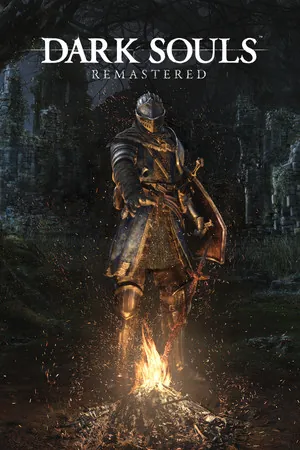
Across all three games, the storytelling method stayed the same: no lengthy cutscenes, just fragmentary item descriptions and hints buried in the architecture, from which players pieced together their own picture of fallen kingdoms. A remastered edition in 2018 kept the original playable on newer consoles and cemented its reputation as one of the most influential pushes behind the entire soulslike genre that grew up in its wake at dozens of other studios.
Entries in the series (5)
-
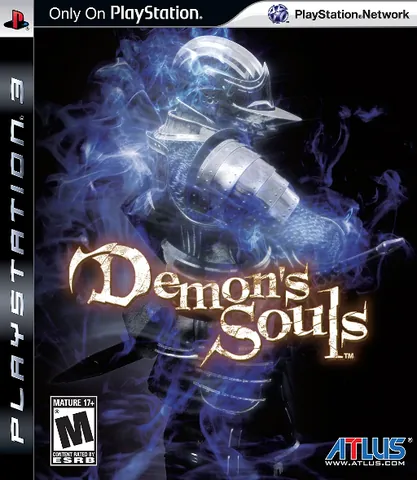
Demon's Souls · 2009
-
Dark Souls · 2011
-
-
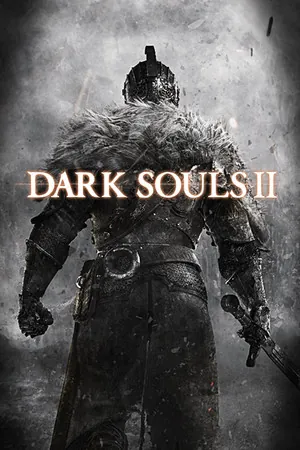
Dark Souls II · 2014
-
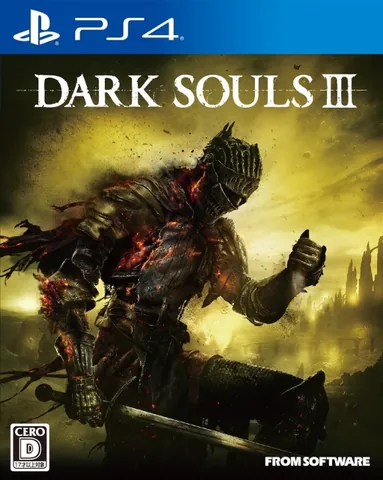
Dark Souls III · 2016