Franchises
Burnout
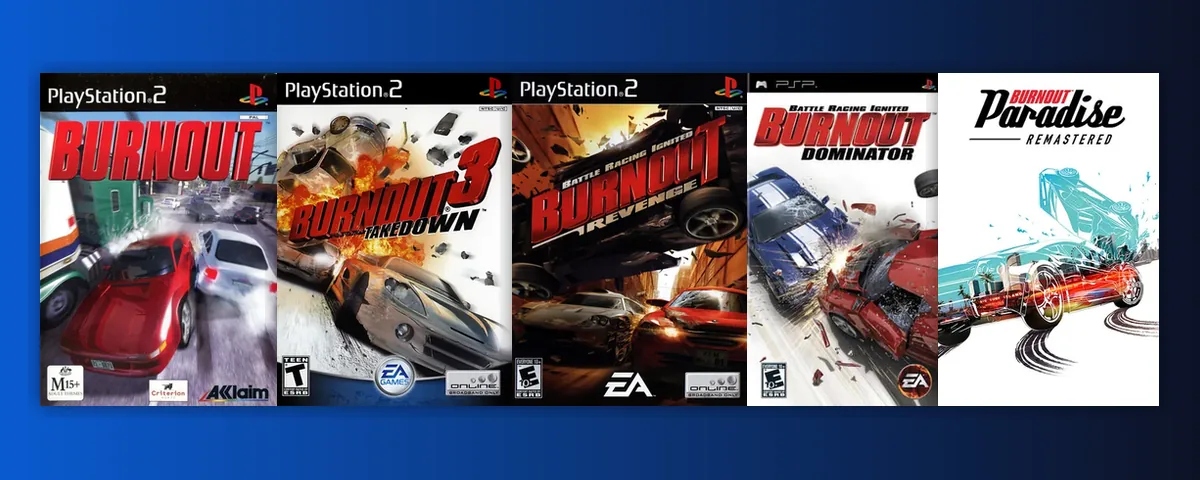
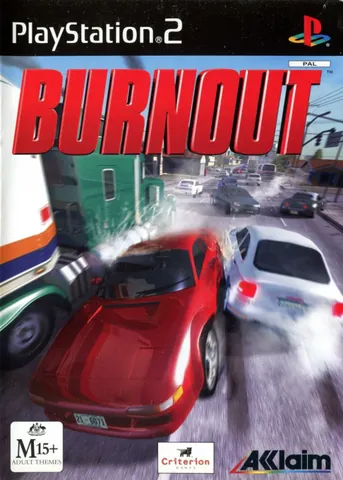
Burnout launched in 2001 on PlayStation 2 as an arcade racer from British studio Criterion Games, then still published by Acclaim, reaching GameCube and Xbox a year later. Unlike rival racing games of the time, the series was built purely on speed and risk - no weapons, no engine upgrades, no boost pickups scattered across the track, just oncoming highway traffic and a "burnout" meter that filled up through drifting, driving into oncoming lanes and near misses with other vehicles, close enough to be dangerous but not fatal. A full meter granted a temporary boost, turning every run into a constant balancing act between caution and the reward for boldness, and it was this that set Burnout apart from the Need for Speed and Ridge Racer games of the era.
Burnout 2: Point of Impact, from 2002, refined the mechanics and added a Pursuit mode, but the real turning point came with Burnout 3: Takedown in 2004 - now widely regarded as the series' peak. It introduced Takedowns, ramming rivals off the road, added dedicated Road Rage and Face-Off modes alongside the standard races, and built out Crash Mode into its own destruction-derby-style mode, where players engineered chain-reaction pile-ups for maximum financial damage and could replay each one in slow motion. Takedown's sense of speed, sound design and multiplayer made it a reference point for the entire arcade racing genre.
A portable entry arrived with Burnout Legends, released on PSP in 2005 and, in an adapted form, on Nintendo DS a year later, while Burnout Revenge, also from 2005, added the ability to "traffic-check" slower vehicles by ramming them from behind, making the game feel even faster. Burnout Dominator, from 2007 on PS2 and PSP, was made without the full involvement of the original Criterion team and returned to a simpler structure without Crash Mode, which is why fans tend to rank it among the series' least innovative entries. The turn back the other way came with Burnout Paradise in 2008: Criterion abandoned linear tracks and a race-select menu, moving the whole game into the open world of Paradise City, complete with its own day-night cycle, seamless roaming with no loading screens, and an online Freeburn mode for up to eight players at once. The change initially split long-time fans used to structured racing, but the game gradually earned acclaim, received the Big Surf Island expansion adding a whole new island of challenges, and was later followed by Burnout Paradise Remastered, which reached PS4 and Xbox One in 2018 and Nintendo Switch in 2020.
The last entry to carry the name was Burnout CRASH! in 2011 - a digitally distributed spin-off focused purely on top-down destruction, which failed to catch on commercially. After it, Criterion shifted to work on other brands, including the 2012 reboot of Need for Speed: Most Wanted, which drew heavily on Burnout's sense of speed and takedowns and which many players and critics regarded as its unofficial spiritual successor, and no new mainline Burnout game has appeared since. Even so, the series - above all thanks to Takedown and Paradise - remains one of the most influential names in the history of arcade racing, prized for a feeling of speed and carefree destruction that few other games have managed to match.
Entries in the series (9)
-
-
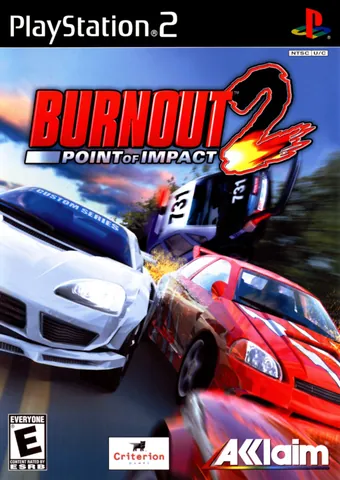
Burnout 2: Point of Impact · 2002
-
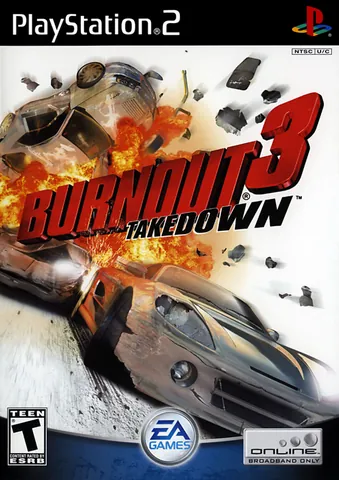
Burnout 3: Takedown · 2004
-
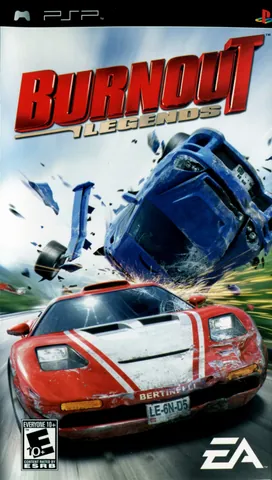
Burnout Legends · 2005
-
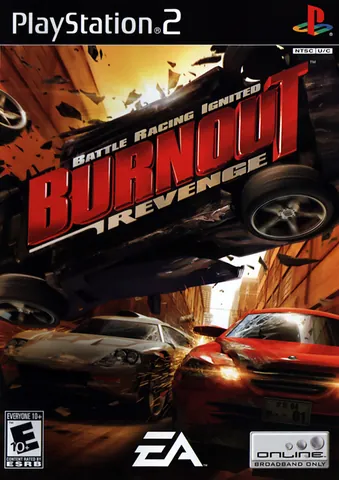
Burnout Revenge · 2005
-
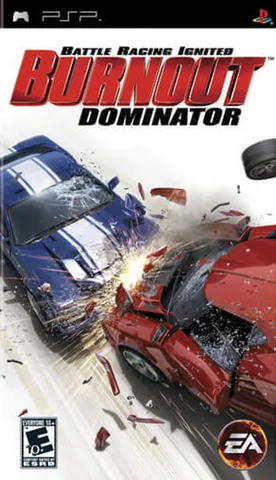
Burnout Dominator · 2007
-
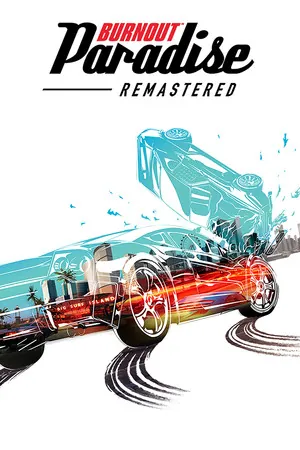
Burnout Paradise · 2008
- Mobil
Burnout Crash! · 2012
-
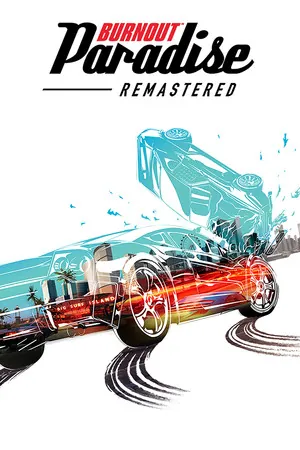
Burnout Paradise Remastered · 2018