Franchises
Baldur's Gate
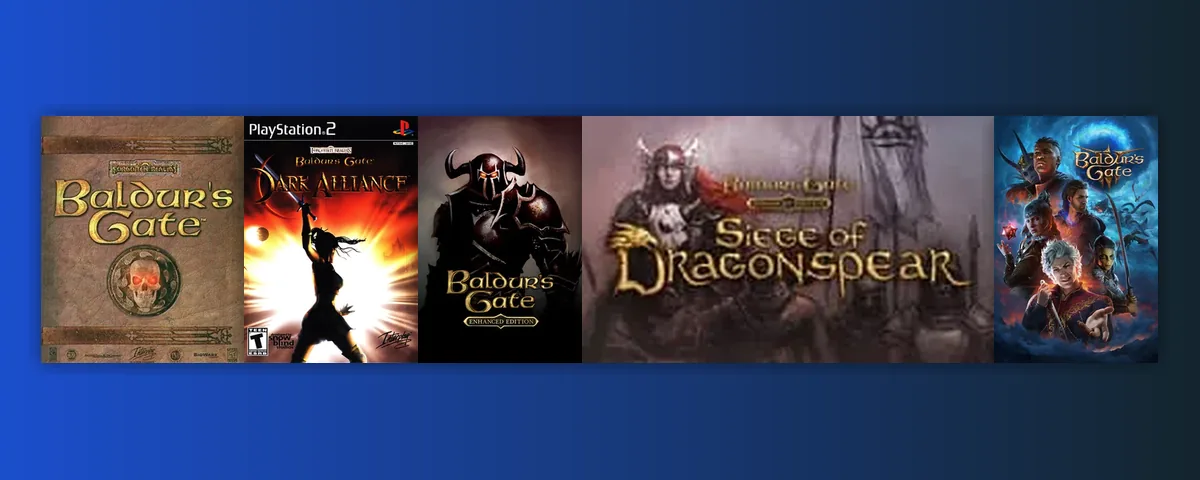
Baldur's Gate arrived in 1998 from BioWare as an isometric RPG built on the rules of Dungeons & Dragons (second-edition AD&D) and set in the Forgotten Realms. It combined tactical real-time combat that could be paused at any moment to issue orders to the whole party ("real-time with pause"), a sprawling story filled with dozens of companions and side characters - among them the fan-favourite pairing of the deranged ranger Minsc and his hamster Boo - and the atmosphere of classic tabletop fantasy. That approach, together with its emphasis on character-building freedom and morally ambiguous choices, defined the computer RPG genre for years to come. The series takes its name from the port city of Baldur's Gate on the Sword Coast, one of the story's key hubs, though the player's journey stretches far beyond its walls into the surrounding countryside and other towns of the region. An expansion, Tales of the Sword Coast, followed as early as 1999, adding new areas and quests.
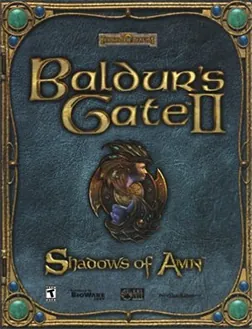
The sequel, Shadows of Amn (2000), raised both the story and the production values a notch further - a bigger world, deeper combat and richer characters - and is still regarded by many players and critics as one of the greatest RPGs ever made. The following expansion, Throne of Bhaal (2001), brought the protagonist's story and their journey toward a divine heritage to a close. Together, this pair of games from the turn of the millennium remains the yardstick against which later entries in the series, and the genre as a whole, are measured, and years later it inspired a wave of new isometric RPGs that openly built on its legacy.
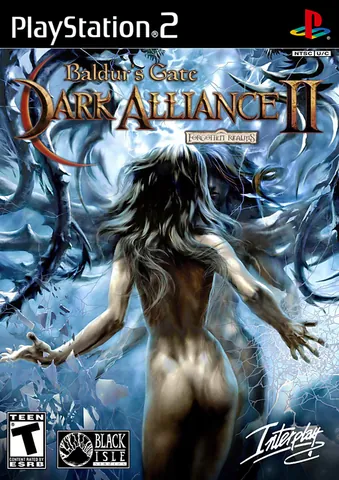
The brand didn't stop at isometric RPGs, though. Dark Alliance (2001) and its sequel Dark Alliance II (2004) brought Baldur's Gate to consoles as a shared-screen hack-and-slash action RPG for up to four players, offering a choice of classes with simplified character progression and built around fast combat and cooperative play rather than tactical party management - a different genre carried by the same name, aimed at a different, console-focused audience. Both Dark Alliance games were solidly received by players, though clearly for a different kind of experience than the main isometric line - more accessible and action-driven, with little emphasis on dialogue or branching decisions. After these titles the series went quiet for a long stretch, with no new entries appearing.
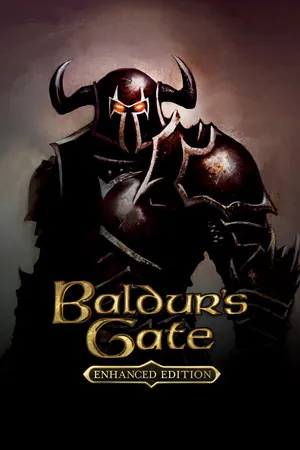
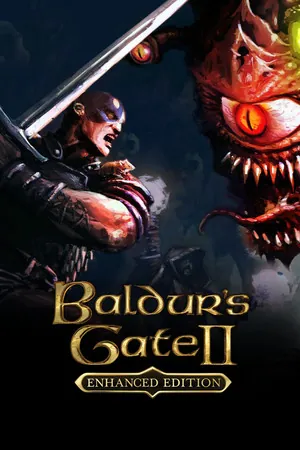
A return came with the Enhanced Edition releases (from 2012) by Beamdog, which modernised the first two games for new platforms, including mobile, and added a bridging expansion, Siege of Dragonspear (2016), set between the first and second games. The real revival of the brand, though, came with Baldur's Gate III (2023) from Larian Studios - a move to fifth-edition D&D rules, turn-based combat, co-op for up to four players, a blend of isometric and over-the-shoulder camera views, and a story with an enormous number of branches and ways to play it out. The game spent years in early access before release and was met with exceptional acclaim from both players and critics, along with numerous major awards.
Over more than a quarter century, Baldur's Gate has moved from founding CRPG to console action spin-off, through a long quiet stretch, and back to the top of the genre, and across every entry it has stayed tied to the rules of Dungeons & Dragons and the world of the Forgotten Realms, with Baldur's Gate III becoming, for many of today's players, an entry point into the classic RPG genre as a whole.
Entries in the series (8)
-
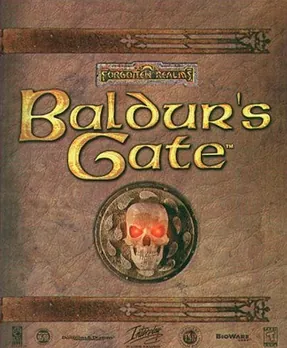
Baldur's Gate · 1998
-
-
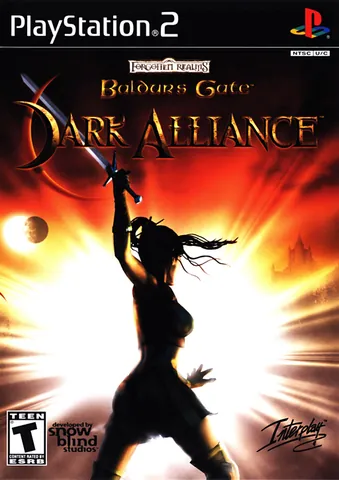
Baldur's Gate: Dark Alliance · 2001
-
-
-
-
-
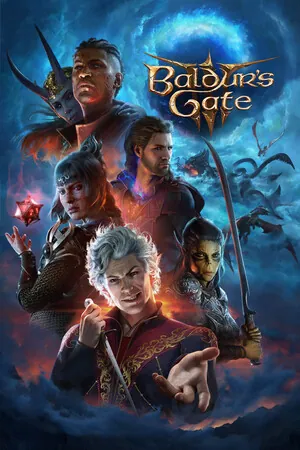
Baldur's Gate 3 · 2023