Franchises
Alien
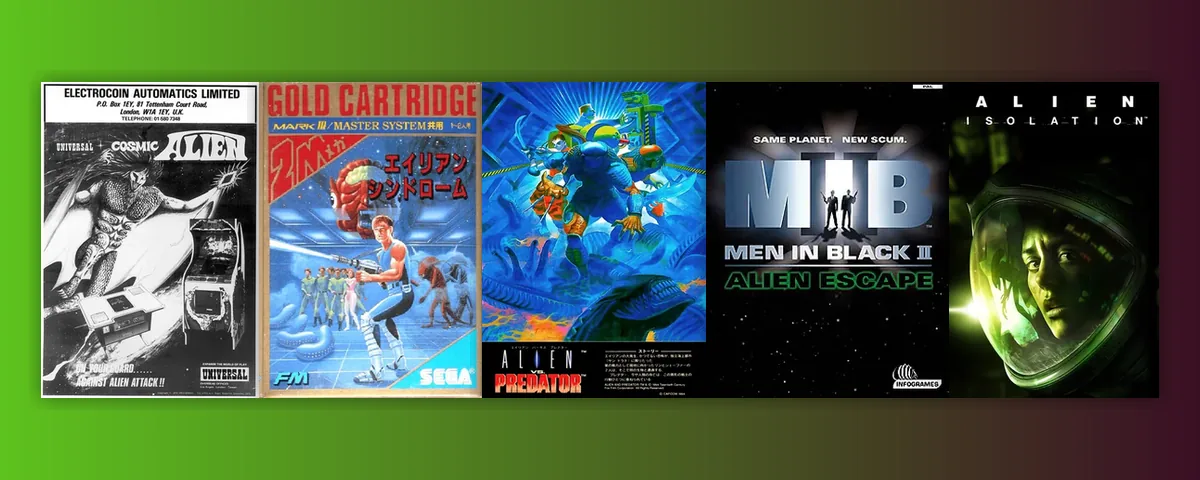
The Alien brand traces back to Ridley Scott's 1979 sci-fi horror film, and games based on it appeared as early as the start of the 1980s, before home consoles and computers really had the means to do it justice. One of the earliest was Alien for the Atari 2600 (1982), published directly by 20th Century Fox Games, in which players navigated a maze of corridors trying to escape the creature in a manner reminiscent of how contemporary games imitated Pac-Man. Later titles for 8-bit home computers borrowed mainly the premise from the film's atmosphere — the claustrophobia, the dark corridors of the spaceship Nostromo, and a single enemy lurking in the shadows — while genre-wise they were often simple maze-chase or action games carrying the film studio's license.
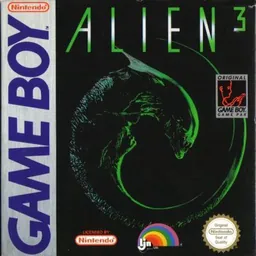
The 1990s brought more ambitious takes. Alien 3 (1992) shipped in parallel on the Sega Genesis, Super Nintendo, Game Boy and Game Gear as a dark action-platformer based on the film of the same name, and the versions differed quite a bit in feel — the Genesis version leaned into careful stealth and scarce ammunition, while the SNES version favoured more straightforward action. An NES version was ultimately cancelled, a frequently cited example of how chaotic licensed game development could be at the time. A few years later, Alien Trilogy (1996) combined the settings and enemies of all three films released up to that point into a single first-person shooter for PlayStation, Saturn and PC, leaning on dark, tight corridors and scarce ammunition rather than straightforward gunplay. The same decade also produced the arcade game Alien vs. Predator (1994) from Capcom on CPS-2 hardware, where up to three players could simultaneously choose a marine, a Predator or the Alien itself, each with different abilities and combat style, and fight through waves of enemies together — a title fondly remembered among genre fans.
Alien: Resurrection (2000) for PlayStation, based on the fourth film, experimented with a dual-analog-stick control scheme that was unusually advanced for its time and anticipated a control standard shooters would later adopt, even though the game's overall reception stayed mixed due to its difficulty and uneven pacing. After it, the series fell quiet for years, with the Alien name showing up in games only sporadically while developer attention shifted more toward the related Alien vs. Predator line on PC.
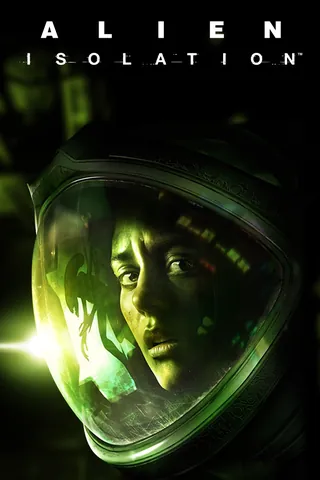
The turning point was Alien: Isolation (2014) from Creative Assembly. Set fifteen years after the events of the first film, it puts players in the shoes of Amanda Ripley, Ellen Ripley's daughter, aboard the space station Sevastopol, facing a single unpredictable Xenomorph whose AI adapts to the player's behaviour and learns their habits, so a hiding spot that worked once often stops working the second time. Rather than shootouts, the game runs on stealth, hiding, improvised tools such as a makeshift flamethrower, and the tension of knowing the creature cannot be beaten head-on — critics received it as the game that came closest yet to the original film's atmosphere, and it is widely regarded as one of the survival-horror genre's high points.
Isolation's success led to the mobile spin-off Alien: Blackout (2019), which carried a similar tension into a lighter format with text-based crew interactions, and to later ports of Isolation to Switch, mobile devices and newer consoles that reached audiences who had missed it in 2014. The series' path thus runs from the cheap licensed cash-ins of the early 1980s, through the uneven attempts of the 1990s and 2000s, to a game now regarded as a landmark of survival horror, one that changed how film licenses get handled in the genre.
Entries in the series (15)
-
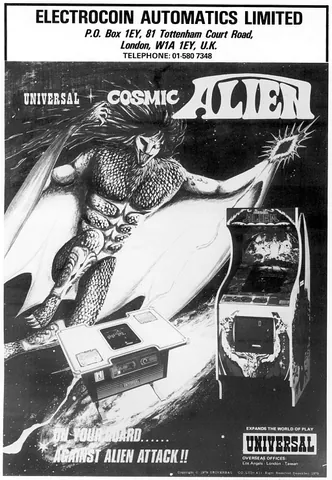
Cosmic Alien · 1979
-
-
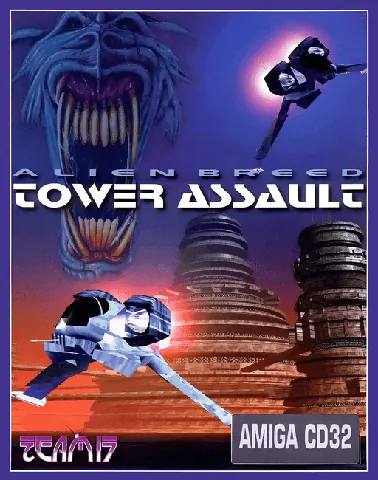
Alien Breed / Tower Assault · 1985
- CPS
alien / Progear · 1988
-
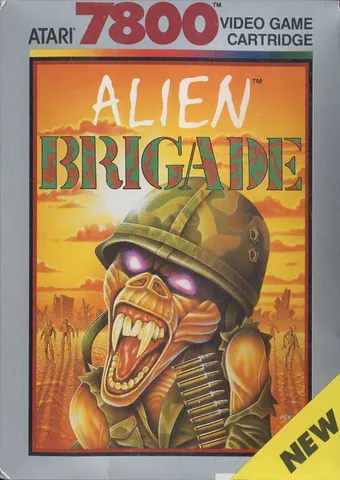
Alien Brigade · 1988
-
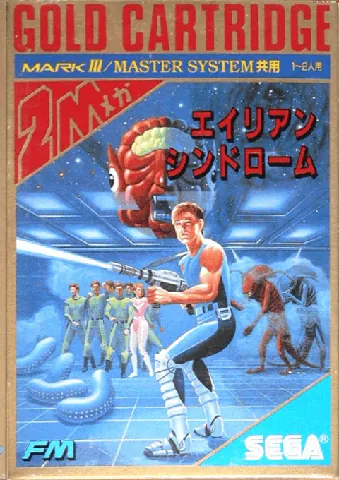
Alien Syndrome · 1988
-
-
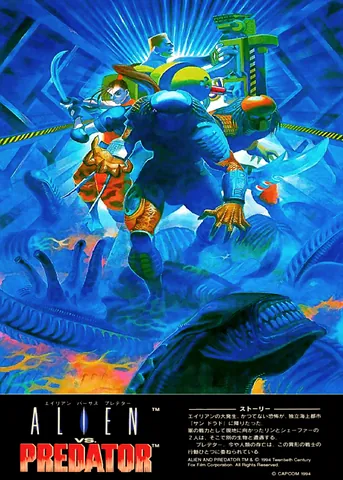
Alien vs. Predator (Capcom) · 1994
-
Heart of the Alien · 1994
-
-
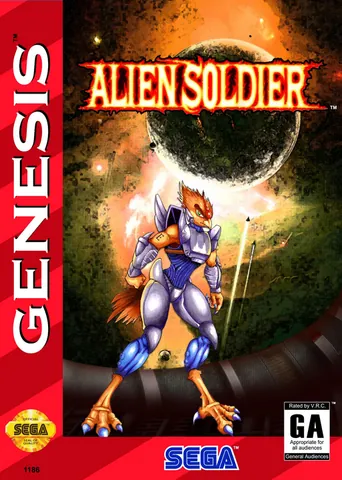
Alien Soldier · 1995
-
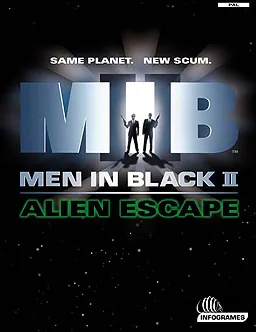
-
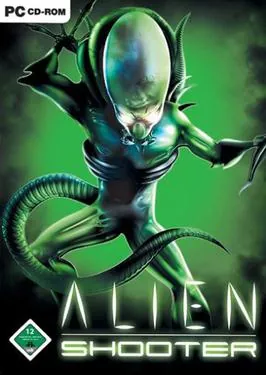
Alien Shooter (mobile) · 2005
-
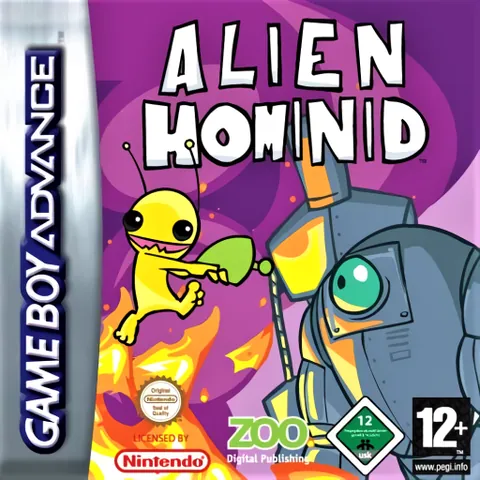
Alien Hominid Advance · 2007
-