Midnight Club: Street Racing
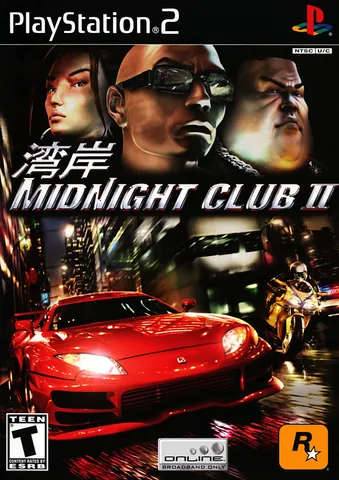
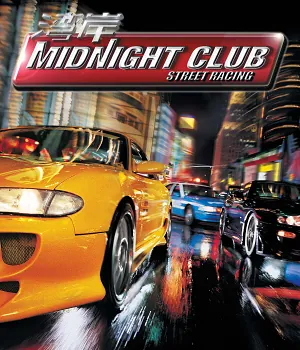
At the end of 2000, shortly after the PlayStation 2's launch, Midnight Club: Street Racing showed what an open world could look like in a racing game. Instead of closed circuits, it offered freely drivable, if simplified, models of London and New York, through which the player could drive in any direction between races, buy upgrades, and look for shortcuts down side streets. The game was made by Angel Studios, later renamed Rockstar San Diego, which used this title to lay the foundation for its long-running specialization in racing and open-world action games within the Rockstar Games label.
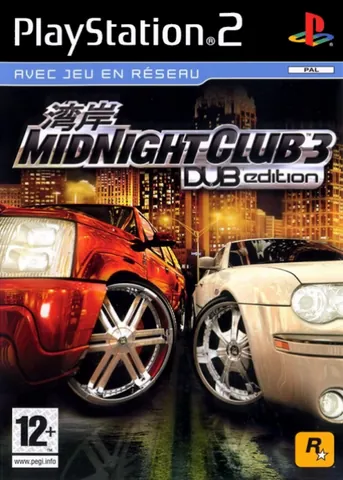
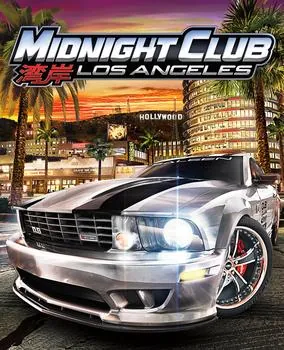
The game was built on the concept of illegal street racing – no official championships, just rivals you'd meet directly on the street, who'd take off tearing through the city once a challenge was accepted. Heavy night traffic, traffic lights, and narrow streets between buildings served both as obstacles and as shortcuts for more skilled players, and the game, as one of the first of its kind, even offered online multiplayer over the PlayStation 2's networks of the time, which was unusual equipment for a console racing title back then. The vehicle physics were unabashedly arcade-like and forgiving, emphasizing speed, drifting, and smashing through surrounding traffic rather than simulation, which clearly set the game apart from the more popular simulation racers of the time, like Gran Turismo. This very title laid the foundation for the entire Midnight Club series, which in later entries moved to Los Angeles, San Diego, and Detroit, becoming one of the pillars of the open-world arcade racing genre for a long time to come, well before a similar approach to the open city made other titles from the same publisher famous too.
Why play it: Midnight Club: Street Racing is an interesting stop for anyone who wants to see how the concept of an open city in racing games came to be, before later entries in the series and its competitors perfected it.
Game 216 of 269 for Sony PlayStation 2