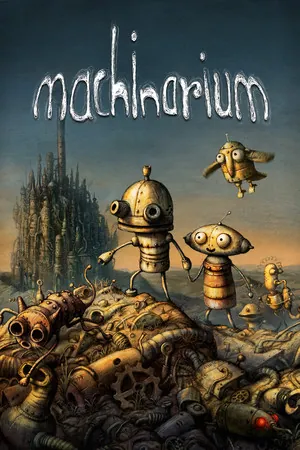
Machinarium
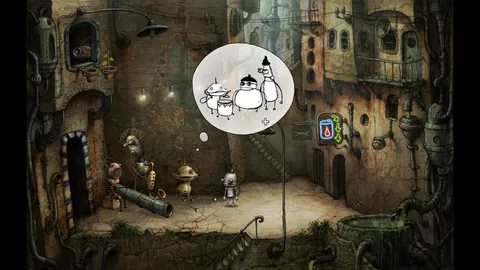
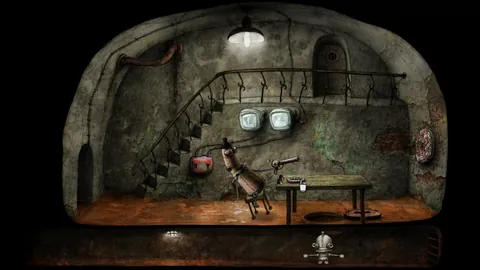
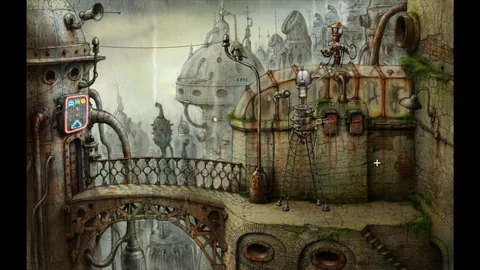
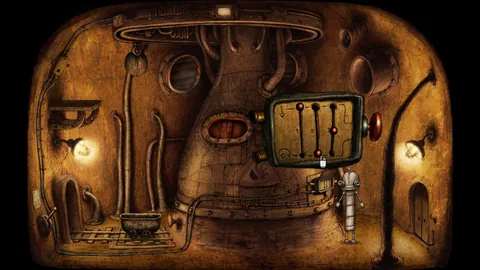
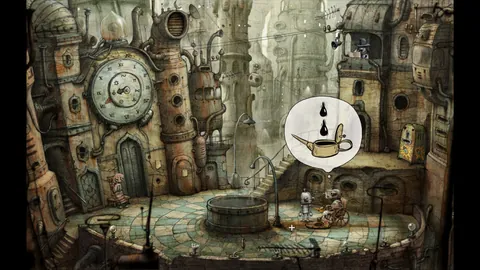
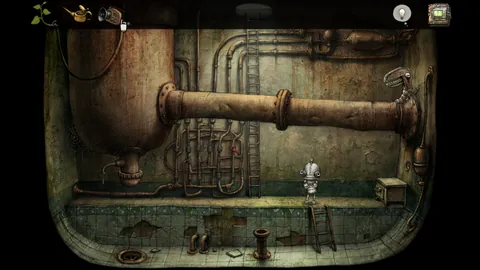
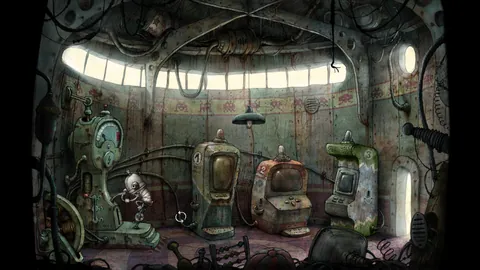
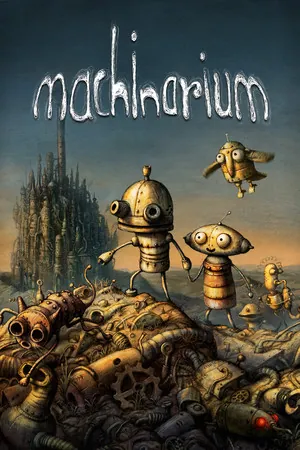
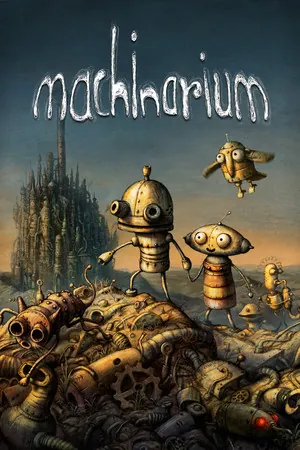
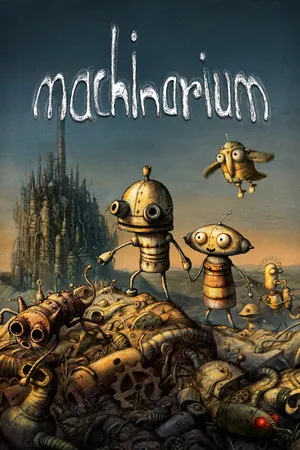
Machinarium from 2009 is a point-and-click adventure in which a small robot tries to rescue his robotic girlfriend and his home city from a gang of villainous machines. The entire game is told without words — the story and characters' emotions are conveyed only through picture bubbles and expressive body language, making the game understandable regardless of language barriers. The gameplay is built on classic logic puzzles and combining objects, complemented by optional hints for players who get stuck, as well as short minigames hidden within more complex tasks. The pace of the game is deliberately slower and contemplative, giving the player room to explore the surroundings and let the atmosphere sink in before tackling the next puzzle, often rewarded with a small side scene that has nothing to do with the main task.
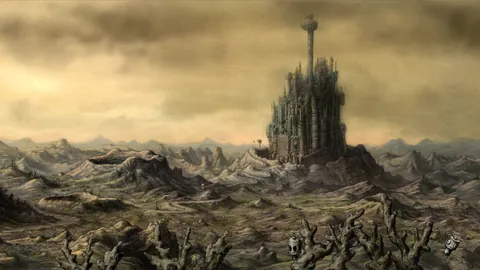
The visual style, featuring a hand-drawn, slightly rusted industrial world, is among the game's most striking features — every screen feels like a carefully considered illustration full of details that can be explored at length regardless of the current puzzle. The music was composed by musician Tomáš Dvořák, performing under the name Floex, and his ambient, melancholic tracks significantly contributed to the overall atmosphere of loneliness and hope that accompanies the game from the opening scene to its final climax. Machinarium from studio Amanita Design was among the first independent adventure games to capture the attention of a wide international audience as well as expert critics, helping to pave the way for other smaller European studios.
The game became one of the most successful Czech gaming exports and is still held up as an example of how to tell a touching story purely through visual means, without a single spoken or written sentence, while still allowing the player to feel joy and sadness just as strongly as in games with extensive voice acting.
Game 82 of 583 for PC / moderní (64bit a GPU)