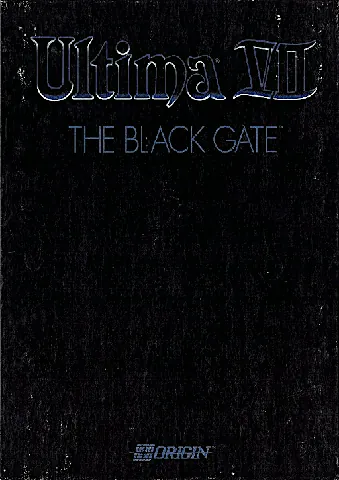
Ultima VII: The Black Gate
Ultima VII: The Black Gate raised the bar for how alive a game world could feel so high that many later RPGs failed to clear it even a decade on. The Avatar returns to Britannia and finds it in a time of apparent prosperity: cities are growing, trade is thriving, and hovering over it all is a new organization called the Fellowship, whose gentle rhetoric of personal responsibility grows more irritating the deeper the player digs. The game opens with an investigation into a ritual murder in Trinsic, and the detective plot slowly turns into a story about manipulation, cultism, and just whose comfort is really being served. Looming over it all is the presence of the Guardian, an adversary who speaks to the player directly and makes it clear he knows exactly who's sitting at the computer.
Technically it was something of a small miracle. Origin abandoned the tile-based window of earlier entries and offered a smoothly scrolling world controlled by mouse, where you can pick up practically any object, bake bread, lock doors, or pack things into a backpack the way you would a real bag. Characters have daily schedules, they go to sleep, they eat at the tavern, and they respond in extensive dialogue without an old command menu. That freedom came at a price: the game was infamous for its own memory manager, which forced players of the time into no small amount of configuration wizardry, and the combat system, where the party is more or less set on autopilot, ranks among the weakest parts of the whole.
At the time, Ultima VII was received as an event and it still shows up today on lists of the best RPGs of all time. Its influence can be seen everywhere a game builds on a simulated world instead of a corridor of quests, from immersive sims to modern open-world titles. Today the easiest way to reach it is through community engines that fix the controls and the technical quirks, and it's surprising how little its main trump card has aged: the feeling that Britannia lives on without you, and that your investigation is only uncovering something that was already set in motion long ago. Those who want to continue have the Forge of Virtue expansion at hand, as well as the direct sequel Serpent Isle, built on the same engine.
Game 46 of 204 for PC / DOS (XT až 486)
The same title elsewhere (1)

From the same series Ultima →
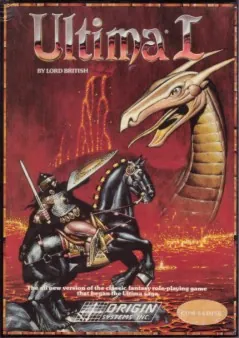 Ultima I: The First Age of Darkness A800 · 1982
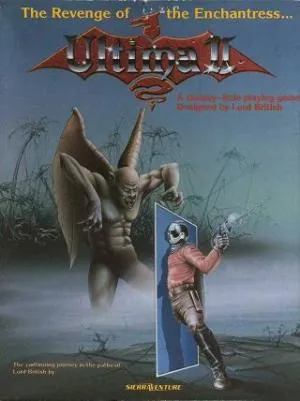 Ultima II: The Revenge of the Enchantress DOS · A800 · 1982
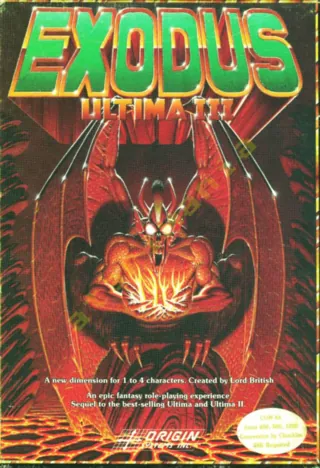 Ultima III: Exodus A800 · DOS · 1983
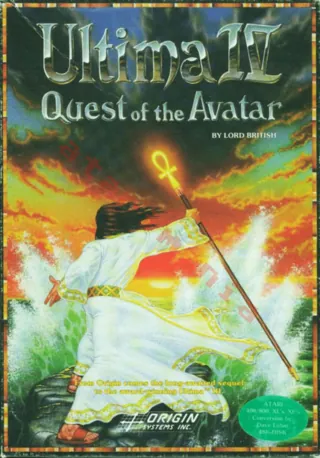 Ultima IV: Quest of the Avatar A800 · C64 · 1985
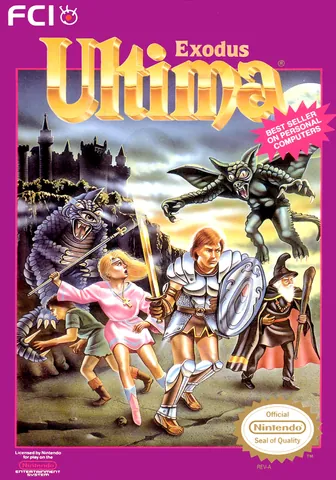 Ultima: Exodus NES · 1987
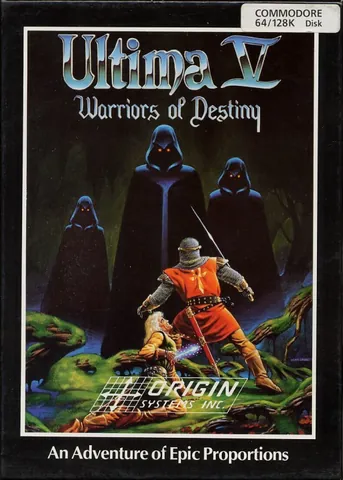 Ultima V: Warriors of Destiny C64 · DOS · Amiga · 1988
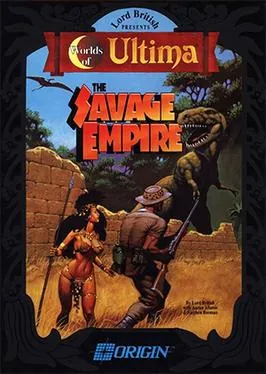
 Worlds of Ultima: The Savage Empire DOS · 1990
 Ultima: Runes of Virtue GB · 1991
 Worlds of Ultima: Martian Dreams DOS · 1991
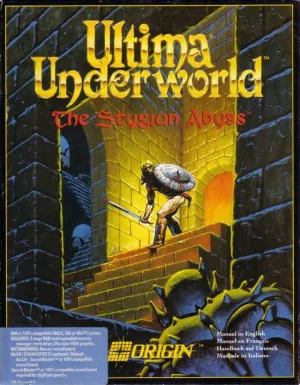 Ultima Underworld: The Stygian Abyss DOS · 1992
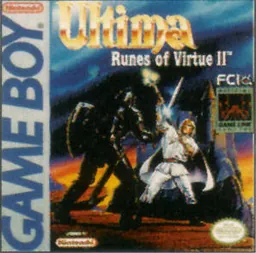 Ultima: Runes of Virtue II GB · 1993