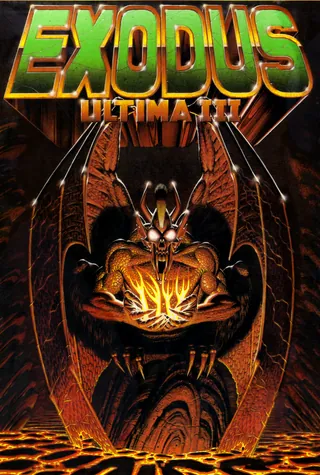
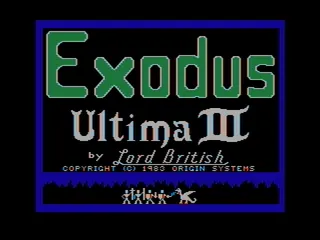
Ultima III: Exodus
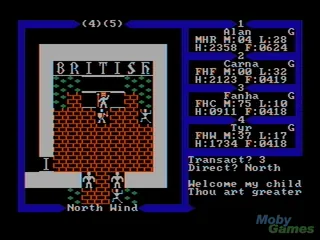
Ultima III: Exodus marked a major leap forward for Richard Garriott's series. For the first time, the player could assemble an entire party of up to four characters instead of a single hero, combat moved to a separate tactical screen with visible unit positions, and the world of Sosaria gained a much more elaborate structure of towns, dungeons, and quests. The story revolves around a mysterious entity named Exodus, half machine and half demon, created by the sons of the defeated villains from the previous installments, who threatens the entire world. The player gradually pieces together information from NPCs, solves puzzles, and builds up the strength of their party before daring the final confrontation. Characters can also upgrade their equipment with merchants, and the game offered, for the first time in the series, a class system with different abilities, which gave party building a much more tactical dimension than in the previous installments.
The graphics used colored tiles and simple animations, but compared to its predecessors it appeared much more polished and clear, which also applied to the DOS version, which became the reference platform for later ports and conversions to other home computers. The music on the PC speaker was sparse, but the atmosphere was well carried by detailed descriptions and the feeling of a genuinely open world, where almost every building hid its own small story or a useful character. Critics and players received Exodus enthusiastically, and it is still considered a title that defined many conventions of the CRPG genre — party-based combat, an elaborate economic system, and an emphasis on freedom of choice in progressing through the story.
The influence of Ultima III on later games is hard to overstate; it inspired both its own sequels and competing series such as Might and Magic or Wizardry. Even today the game is playable thanks to its logical structure and clear rules, although the controls and pace of the game demand a good deal of patience from the modern player and acceptance of the era's conventions, such as manually mapping dungeons and terse text-based communication with the surrounding world.
Why play it: Thanks to its logical structure and clear rules, the game is playable even today, though its controls and pace demand a good deal of patience from the modern player with the terse text-based communication and manual dungeon mapping.
Game 166 of 204 for PC / DOS (XT až 486)
The same title elsewhere (1)
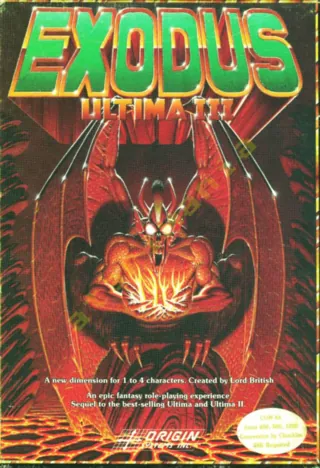
From the same series Ultima →
 Ultima VII: The Black Gate SNES · DOS
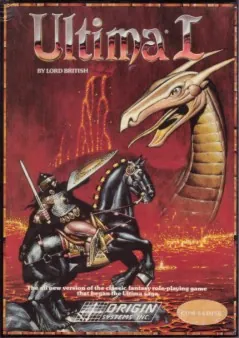 Ultima I: The First Age of Darkness A800 · 1982
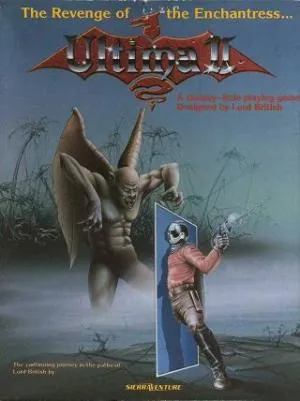 Ultima II: The Revenge of the Enchantress DOS · A800 · 1982
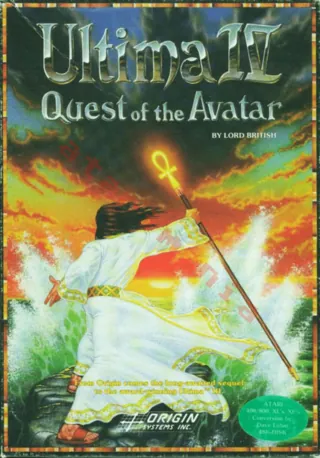 Ultima IV: Quest of the Avatar A800 · C64 · 1985
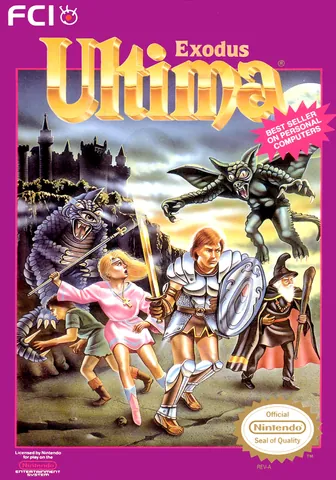 Ultima: Exodus NES · 1987
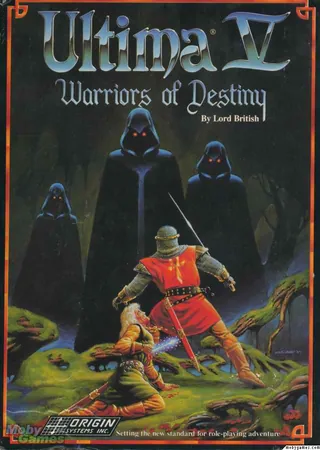
 Ultima V: Warriors of Destiny C64 · DOS · Amiga · 1988
 Worlds of Ultima: The Savage Empire DOS · 1990
 Ultima: Runes of Virtue GB · 1991
 Worlds of Ultima: Martian Dreams DOS · 1991
 Ultima Underworld: The Stygian Abyss DOS · 1992
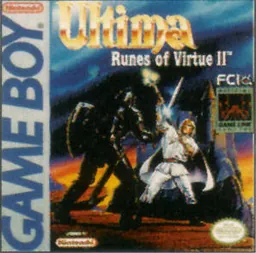 Ultima: Runes of Virtue II GB · 1993