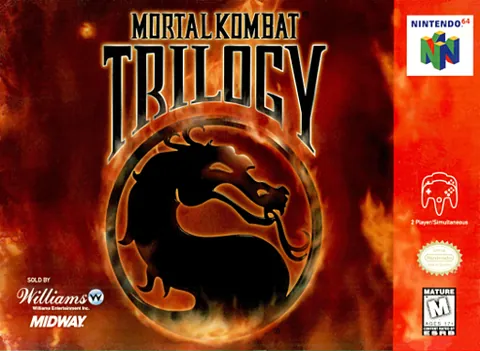
Mortal Kombat Trilogy
A fountain of blood, a spinal snap and a voice that announces FINISH HIM. In the nineties Mortal Kombat was a symbol of both controversy and phenomenon at once, and Mortal Kombat Trilogy aimed to become the definitive compilation of the series up to that point. It was an effort to cram as many characters, arenas and moves from the previous entries into a single title.
Mechanically, Mortal Kombat was built on digitised graphics, with the characters created from footage of real actors, which gave the game its characteristic realistic yet grotesque look. The fights were based on special attacks, combos and above all the infamous fatalities, brutal finishing moves that became the series' calling card. Trilogy pulled together the content of the first three entries and added a whole roster of playable characters, including various versions of ninjas, hidden fighters and bosses, so the selection of characters was exceptionally rich for its time.
Mortal Kombat was created by the American studio Midway, and the series became famous not only for its gameplay but also for the society-wide debate about violence in video games. Mortal Kombat was one of the main reasons the ESRB rating system for content classification was established in the USA. With that, the series went down in history not only as a fighter but as a title that changed the entire industry and the way games are labelled and sold. The developers thus unwittingly ignited a debate that reached far beyond the gaming world.
Culturally, Mortal Kombat was an enormous phenomenon that spilled out of the gaming world into films, TV series and merchandise. Characters like Scorpion or Sub-Zero became pop-culture icons, and their catchphrases and moves are known even to someone who never once switched the game on. Trilogy served as a kind of celebration of the series' first golden age, packed into a single bundle for fans who wanted everything in one place, without having to switch between the individual entries.
The Nintendo 64 wasn't an ideal home for a game built on a huge amount of digitised graphics, because cartridges had limited capacity compared to the CDs on rival consoles. Even so, an N64 version existed and let players enjoy this compilation on Nintendo's home console, albeit with certain compromises against the original. For console owners it was a welcome chance to get to the legendary series without having to buy another system.
Mortal Kombat Trilogy thus remains an interesting monument to the era when the series was at the peak of its first fame and when digitised graphics felt like the pinnacle of both technology and controversy. For fans it was a dream come true to have all their favourite fighters and arenas together, from the icy Sub-Zero through the fiery Scorpion to a whole roster of hidden and returning characters.
It is precisely this striving for completeness that makes Trilogy a title of its own. It didn't try to push the series forward but to look back and celebrate everything Mortal Kombat had built up to that point. For players who grew up on the atmosphere of dark arenas, brutal fatalities and an unmistakable aesthetic, it's a return to the period when the series was not just a game but a genuine cultural phenomenon.
Why play: If you're drawn to the brutal nostalgia of the golden era of fighters and want as many characters and fatalities as possible in one bundle, Trilogy is exactly that.
Game 53 of 77 for Nintendo 64
The same title elsewhere (1)
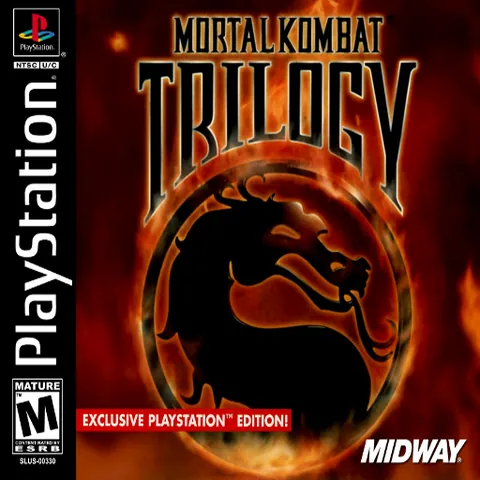
On Sony PlayStation the game shipped on CD-ROM, which gave it an intro movie and a hidden bonus fighter unlocked via a code, but matches are separated by short loading pauses. The Nintendo 64 version ran from a cartridge, so bouts start instantly with no waiting, but the format's limited storage forced cuts – there's no intro movie, and some content had to be trimmed to fit. The two versions offer a different experience: pick PlayStation for the fuller package if you don't mind occasional loading, or Nintendo 64 if you want uninterrupted, instant matches every time.
From the same series Mortal Kombat →
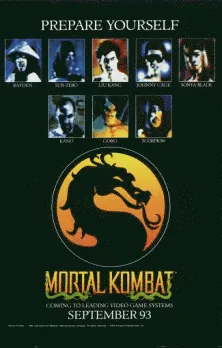 Mortal Kombat MAME · GB · SNES · MD · GG · Amiga · SMS · Vita · 1992
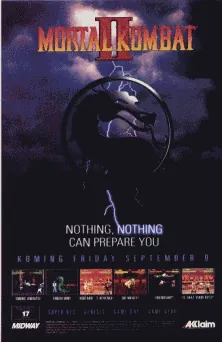 Mortal Kombat II MAME · GB · SNES · MD · GG · 32X · 1993
 Mortal Kombat 3 MAME · 1995
 Ultimate Mortal Kombat 3 MAME · 1995
 Mortal Kombat Mythologies: Sub-Zero PS1 · 1997
 Mortal Kombat 4 MAME · 1997
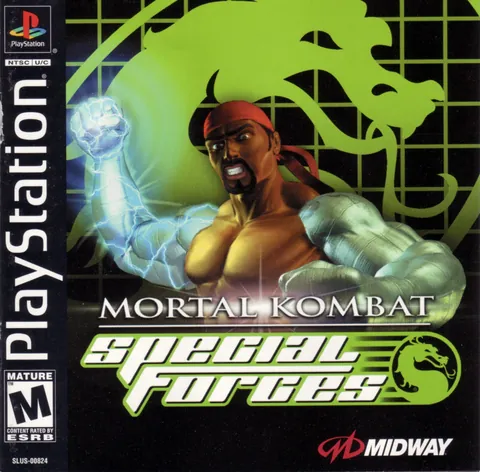 Mortal Kombat: Special Forces PS1 · 2000
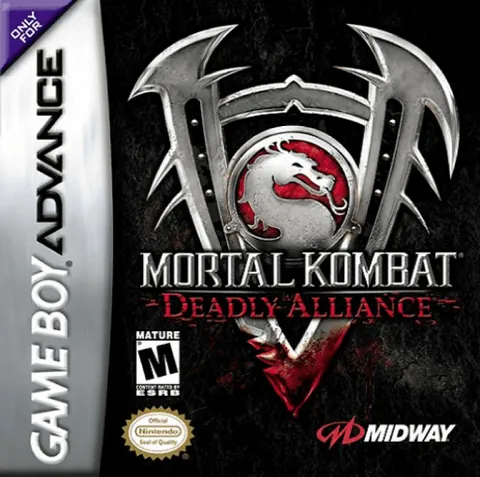 Mortal Kombat: Deadly Alliance GBA · Xbox · 2002
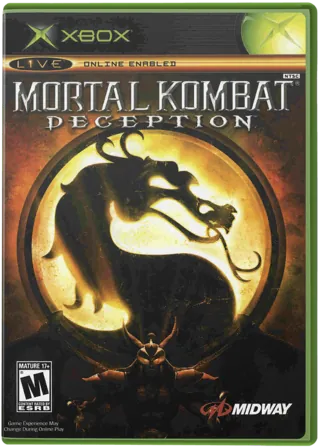 Mortal Kombat: Deception Xbox · 2004
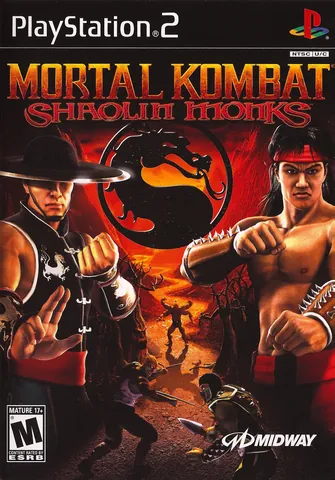 Mortal Kombat: Shaolin Monks PS2 · 2005
 Mortal Kombat: Armageddon PS2 · 2006
 Ultimate Mortal Kombat DS · 2007